
Ask any parent, and they’re bound to tell you they believe their kid is spending too much time glued to a screen. Frankly, in this digital age, that may be true of all of us. The stakes are even higher when anyone can pull a phone out of their pocket and gamble their cash on sports, crypto, or virtual casinos with just a few taps.
Until just last month, South Carolina had a law on the books meant to restrict another form of entertainment that fell under the auspices of gambling: pinball. Since 1959, the state had explicitly banned children under 18 from playing the classic arcade game.
Now, thanks to a newly signed repeal, minors in South Carolina can finally pull back the plunger to their hearts’ content. That’s a relief to many local arcades and pizza places that have been skirting the law for decades.
“I probably violate this law at least once a month, probably — sometimes once a week,” State Senator Ed Sutton told the South Carolina Daily Gazette.
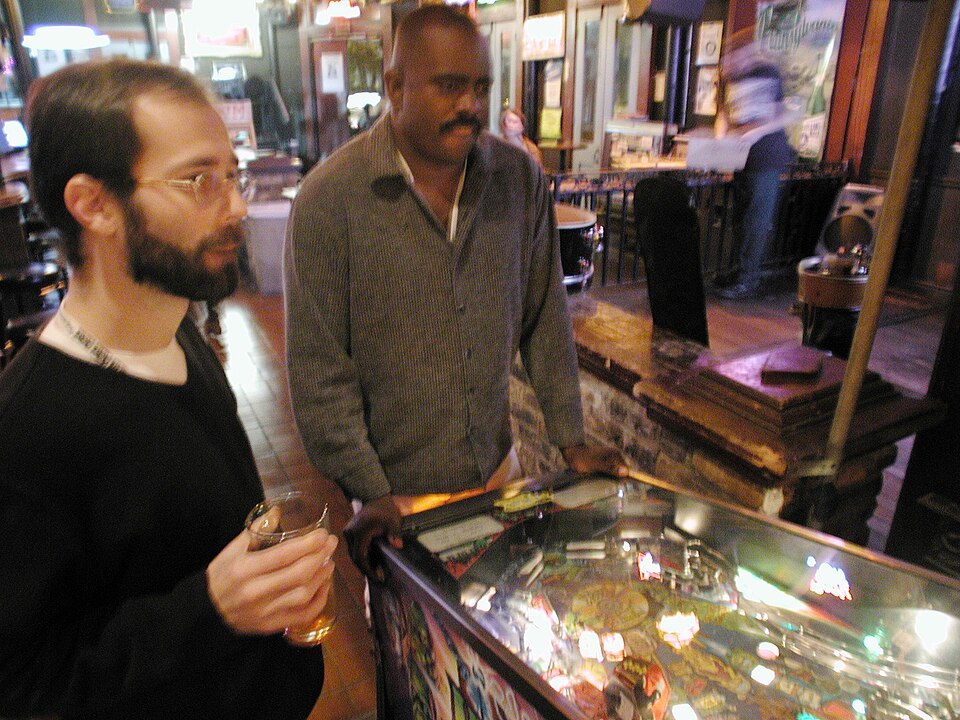
So how did this throwback arcade staple ever get the reputation of being a “social scourge”? Why was it illegal to play pinball at all? It goes back almost a hundred years, when America viewed pinball as a gateway to a life of crime.
The flashing spring-loaded menace to society
This particular moral panic began during the Great Depression of the 1930s. That’s when the first wave of coin-operated pinball machines became popular in the United States. One major difference between that era’s pinball machines and those of today: flippers.
Early models, such as “Baffle Ball,” created by amusement manufacturer David Gottlieb, looked like horizontal Japanese pachinko machines. Players had no control over where the balls would go once launched or where they might land. It was a game of pure chance. Machines were placed in pool halls, speakeasies, and penny arcades. Operators handed out prizes ranging from free games and bubble gum to jewelry and cash. Patrons would bet on games they weren’t even playing. As a result, pinball quickly became intertwined with organized crime and gambling.
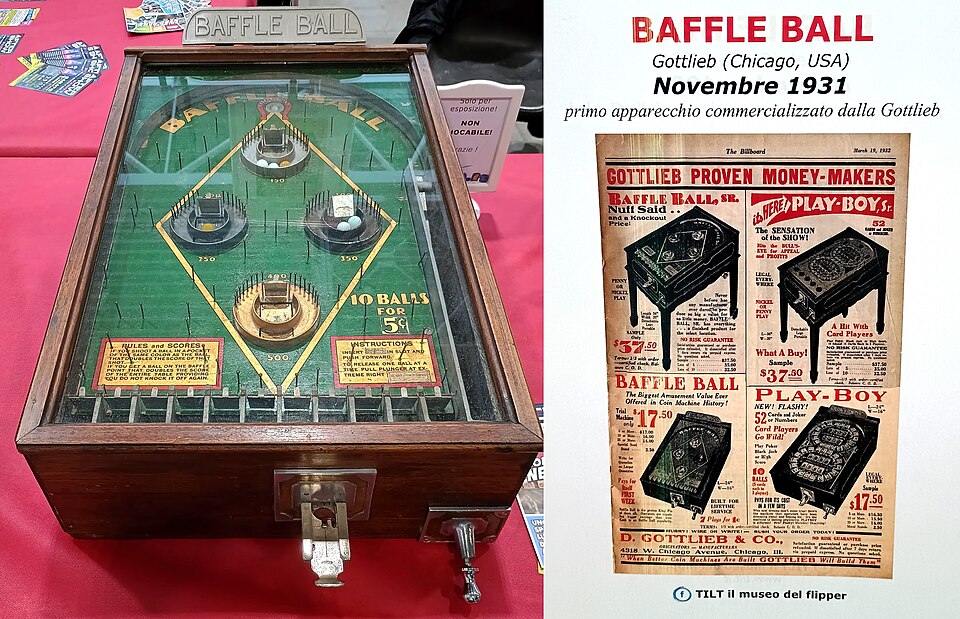
Photo credit: Wikimedia Commons
Soon after, New York City Mayor Fiorello LaGuardia led a crusade against the machines during his 12 years in office. He drummed up a moral panic among parents, claiming that pinball drained children’s pockets and bred juvenile delinquents. During World War II, police departments across the country smashed confiscated machines with sledgehammers. From Los Angeles to Milwaukee, cities banned the game entirely and drove it underground.
Flipping the script and changing the game
So, how did pinball escape its criminal reputation? It all came down to one critical design innovation and a landmark legal battle.
In 1947, the newly added player-controlled flipper transformed pinball from a game of blind luck into a test of human reflexes and strategy. Over the following decades, pinball experienced several waves of popularity, including the success of The Who’s hit song “Pinball Wizard” from the 1969 rock opera Tommy.
It was also during this period that competitive pinball began to take off. But there was a problem: It was still illegal for minors to play in multiple states, making it difficult for local businesses to obtain food and liquor licenses if they also wanted to have a pinball machine on the premises.
It wasn’t until the 1974 landmark case Cossack v. City of Los Angeles that things started to shift. The California Supreme Court ruled that the addition of flippers made pinball a game of skill rather than chance. This effectively removed the machines from the legal definition of gambling, helping overturn bans across America.
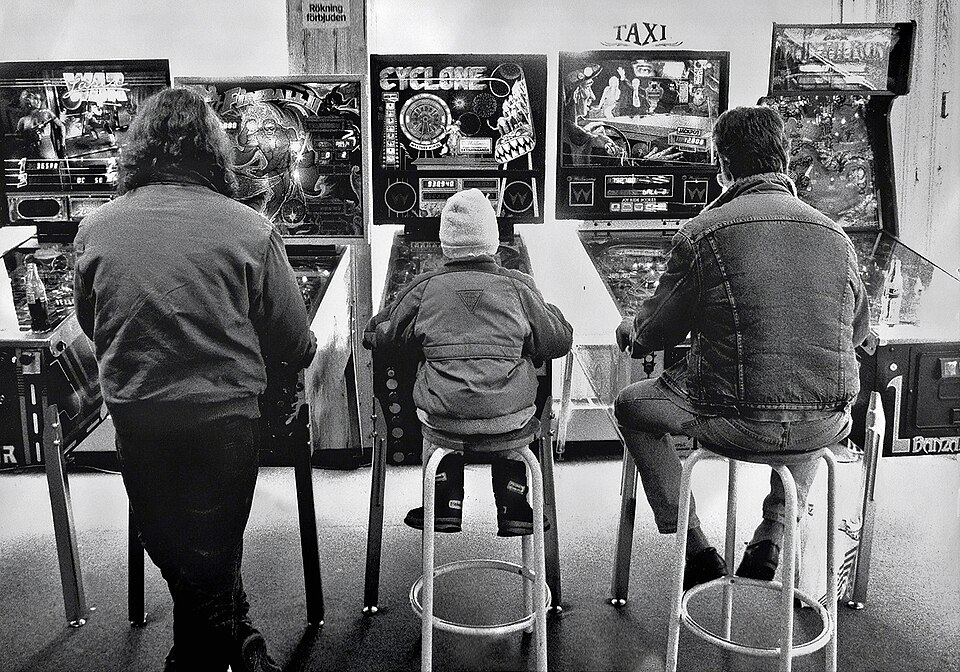
Photo credit: John Leffman/Wikimedia Commons
Except in South Carolina. Despite multiple attempts to repeal the archaic law throughout the 2000s, it wasn’t until 2025 that the state legislature finally had enough support to end the pinball prohibition. The governor made it official in May 2026.
Now that the ban is history, South Carolina’s kids are free to look away from their phones, have some family fun, and “play the silver ball,” this time without worrying that they’re breaking the law.