Few things are more frightening for parents than raising a rude and entitled child. Younger kids just say whatever is on their minds, so you can change their behavior by letting them know that their words can hurt people’s feelings. But when kids get older and know better, many go through a phase where they challenge their parents and teachers by seeing how far they can push things by being inappropriate.
Once kids are intentionally rude, you’ve got to nip it in the bud before it becomes an ingrained part of their personality.
This is a challenging phase for parents because there are many ways to respond to a child’s rude comments. You can ignore them and hope they stop because their behavior isn’t getting them any attention. Or you can react and show them that being rude can get a rise out of someone.
A group of teachers has come to the aid of anyone who wants tips on handling their child’s rude behavior. A Redditor who is a teacher having difficulty dealing with rude students asked the teachers’ subforum for help and they shared many creative and effective ways to handle the situation. “I like kids, but they can definitely be brutal. I’m rather sensitive, but I don’t know what to say to kids that insult others/me besides ‘that’s not nice’ or ‘that hurts people’s feelings,’” the teacher wrote in the post.
The responses showed that there’s more than one way to handle a rude child, whether it’s a witty comeback or digging down deep and talking with the child about the root cause of their anger.
In March 2023, after months of preparation and paperwork, Anita Omary arrived in the United States from her native Afghanistan to build a better life. Once she arrived in Connecticut, however, the experience was anything but easy.
“When I first arrived, everything felt so strange—the weather, the environment, the people,” Omary recalled. Omary had not only left behind her extended family and friends in Afghanistan, she left her career managing child protective cases and supporting refugee communities behind as well. Even more challenging, Anita was five months pregnant at the time, and because her husband was unable to obtain a travel visa, she found herself having to navigate a new language, a different culture, and an unfamiliar country entirely on her own.
“I went through a period of deep disappointment and depression, where I wasn’t able to do much for myself,” Omary said.
Then something incredible happened: Omary met a woman who would become her close friend, offering support that would change her experience as a refugee—and ultimately the trajectory of her entire life.
Understanding the journey
Like Anita Omary, tens of thousands of people come to the United States each year seeking safety from war, political violence, religious persecution, and other threats. Yet escaping danger, unfortunately, is only the first challenge. Once here, immigrant and refugee families must deal with the loss of displacement, while at the same time facing language barriers, adapting to a new culture, and sometimes even facing social stigma and anti-immigrant biases.
Welcoming immigrant and refugee neighbors strengthens the nation and benefits everyone—and according to Anita Omary, small, simple acts of human kindness can make the greatest difference in helping them feel safe, valued, and truly at home.
A warm welcome
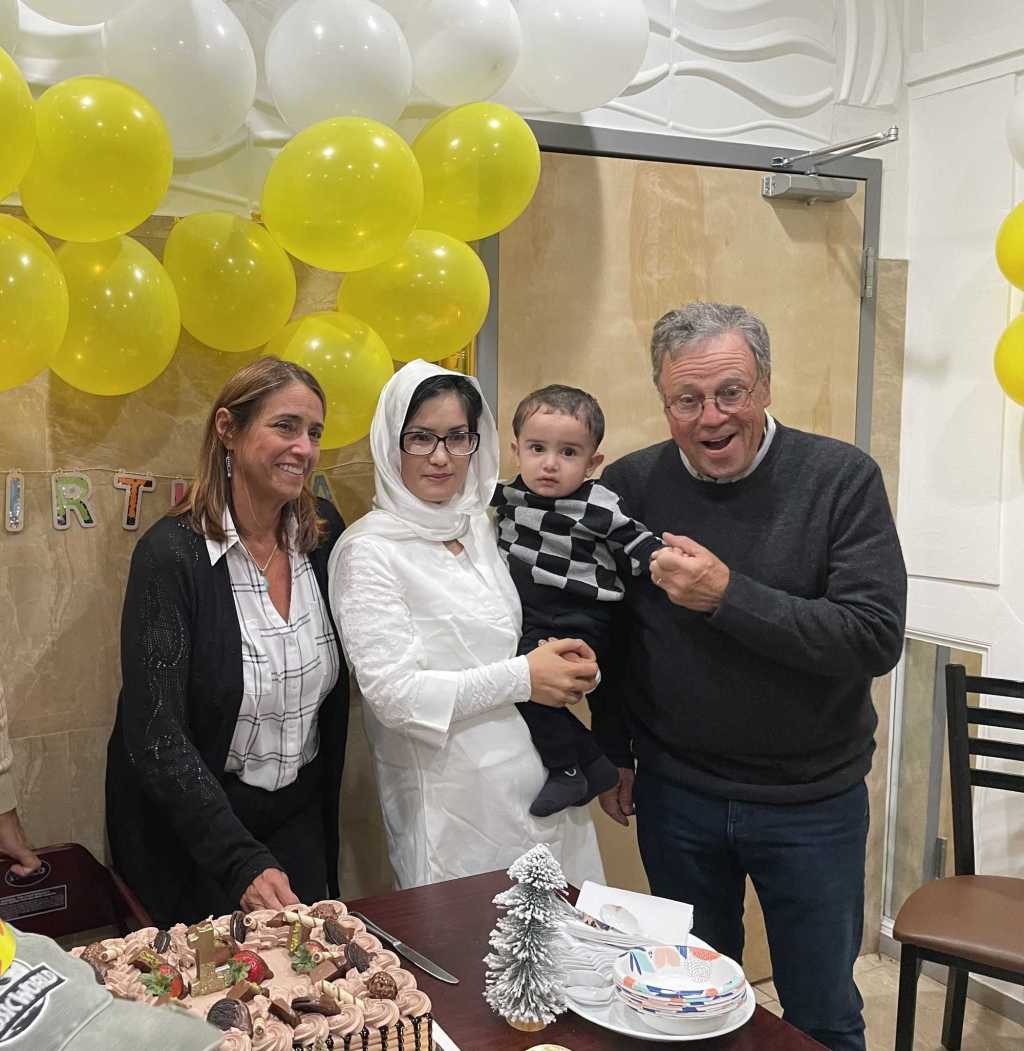
Dee and Omary's son, Osman
Anita Omary was receiving prenatal checkups at a woman’s health center in West Haven when she met Dee, a nurse.
“She immediately recognized that I was new, and that I was struggling,” Omary said. “From that moment on, she became my support system.”
Dee started checking in on Omary throughout her pregnancy, both inside the clinic and out.
“She would call me and ask am I okay, am I eating, am I healthy,” Omary said. “She helped me with things I didn’t even realize I needed, like getting an air conditioner for my small, hot room.”
Soon, Dee was helping Omary apply for jobs and taking her on driving lessons every weekend. With her help, Omary landed a job, passed her road test on the first attempt, and even enrolled at the University of New Haven to pursue her master’s degree. Dee and Omary became like family. After Omary’s son, Osman, was born, Dee spent five days in the hospital at her side, bringing her halal food and brushing her hair in the same way Omary’s mother used to. When Omary’s postpartum pain became too great for her to lift Osman’s car seat, Dee accompanied her to his doctor’s appointments and carried the baby for her.
“Her support truly changed my life,” Omary said. “Her motivation, compassion, and support gave me hope. It gave me a sense of stability and confidence. I didn’t feel alone, because of her.”
More than that, the experience gave Omary a new resolve to help other people.
“That experience has deeply shaped the way I give back,” she said. “I want to be that source of encouragement and support for others that my friend was for me.”
Extending the welcome
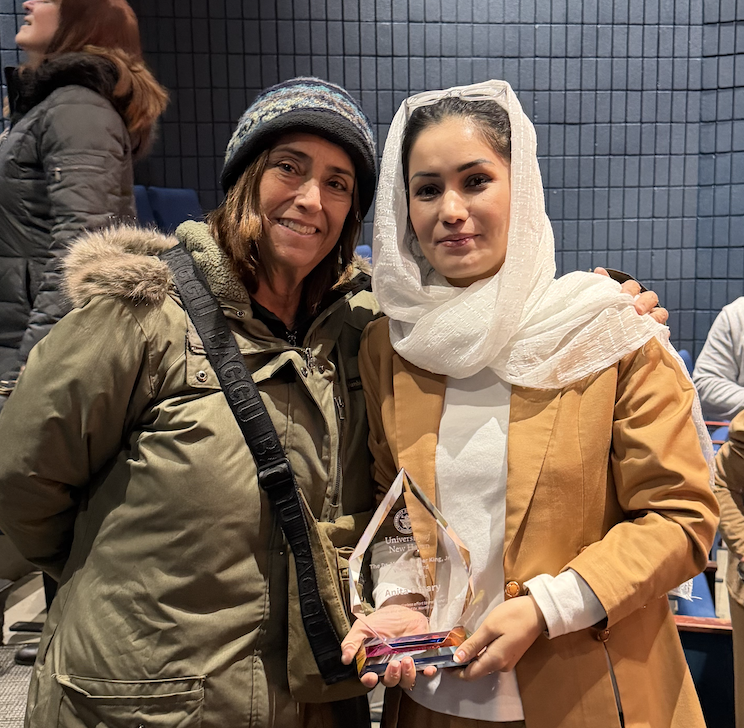
Omary and Dee at the Martin Luther King, Jr. Vision Awards ceremony at the University of New Haven.
Omary is now flourishing. She currently works as a career development specialist as she continues her Master’s degree. She also, as a member of the Refugee Storytellers Collective, helps advocate for refugee and immigrant families by connecting them with resources—and teaches local communities how to best welcome newcomers.
“Welcoming new families today has many challenges,” Omary said. “One major barrier is access to English classes. Many newcomers, especially those who have just arrived, often put their names on long wait lists and for months there are no available spots.” For women with children, the lack of available childcare makes attending English classes, or working outside the home, especially difficult.
Omary stresses that sometimes small, everyday acts of kindness can make the biggest difference to immigrant and refugee families.
“Welcome is not about big gestures, but about small, consistent acts of care that remind you that you belong,” Omary said. Receiving a compliment on her dress or her son from a stranger in the grocery store was incredibly uplifting during her early days as a newcomer, and Omary remembers how even the smallest gestures of kindness gave her hope that she could thrive and build a new life here.
“I built my new life, but I didn’t do it alone,” Omary said. “Community and kindness were my greatest strengths.”
Are you in? Click here to join the Refugee Advocacy Lab and sign the #WeWillWelcome pledge and complete one small act of welcome in your community. Together, with small, meaningful steps, we can build communities where everyone feels safe.
This article is part of Upworthy’s “The Threads Between U.S.” series that highlights what we have in common thanks to the generous support from the Levi Strauss Foundation, whose grantmaking is committed to creating a culture of belonging.
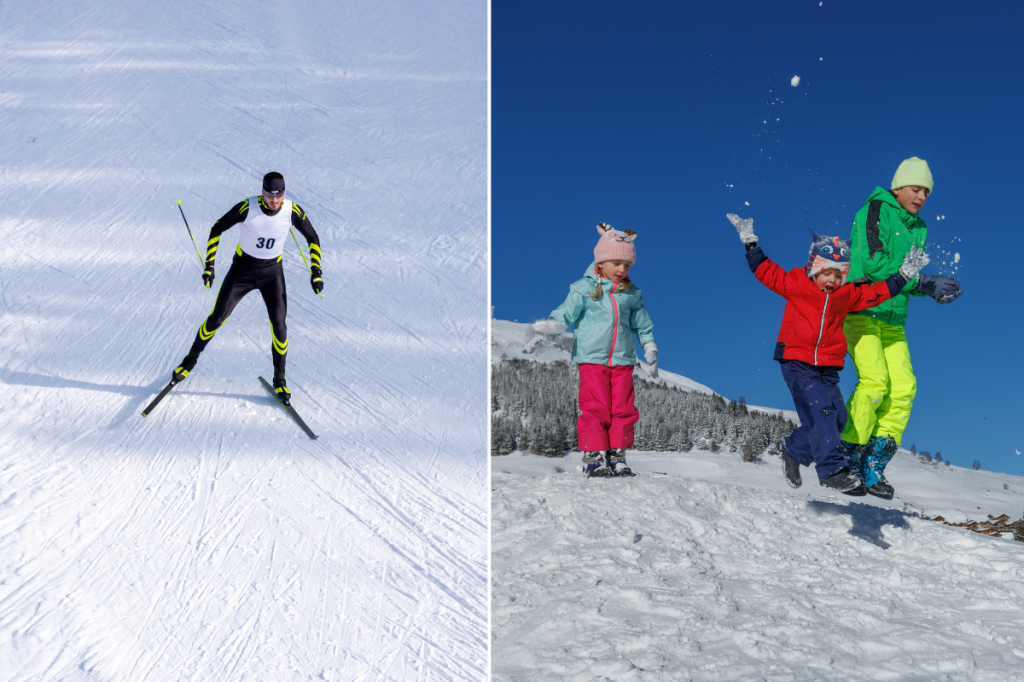
The final medal count for the 2026 Olympic Winter Games is in, and there’s a clear winner. Of the 29 countries to win at least one medal, Norway took home the most hardware overall with 41 medals. This included 18 gold medals, the most of any country. It’s a resounding victory over the United States, which came in second place with 33 medals.
High-performing Olympic nations are often famous (or infamous) for their aggressive training tactics. China, for example, has been said to “ruthlessly select and train competitors from an early age—with children as young as four being enlisted to train for the team.”
Nearly everyone hoping for Olympic greatness has to start training at a young age. Norway, however, takes a different approach with its youth sports culture. Instead of winning, it’s all about fun. The country does a few things differently that are counterintuitive to a hyper-competitive, gold-at-any-cost mindset.
Per CNN, “Until the age of 12 in Norway, nobody in youth sports is allowed to keep score, and there are no league standings either.”
Compare that to many American youth sports leagues, which generally begin keeping score around the age of seven. Keeping score in kids’ leagues is often a source of great controversy. Proponents argue that it teaches children sportsmanship, how to lose with grace, and how to cope with disappointment. However, critics say the emphasis on winning sucks the fun out of the sport and prematurely ratchets up pressure many kids just aren’t ready for.
No early specialization
You’d think the best path to becoming a great alpine skier would be to focus rigorously on the sport as early as possible. Coaches in Norway disagree.
Instead, they believe true talent is revealed not in early childhood but in the teen years. Kids growing up in Norway try many different sports before deciding which one they’re best suited to focus on.
Participation trophies for all
Yes, the dreaded participation trophy was once decried as the thing that made Millennials soft. But it seems to be working out OK for the Norwegians. If one kid gets a trophy in Norway, everyone gets one.
And the guidelines don’t end there. Norway isn’t big on travel leagues, preferring to keep kids in local leagues as long as possible, and it caps the cost of youth sports instead of letting them balloon out of control. The entire youth sports ecosystem is run by the government and not-for-profit organizations. Leagues also mandate equal playing time for kids at younger ages to ensure everyone has fun and gets an opportunity. It’s all summed up beautifully by the slogan, “Joy of Sport for All.”
It sounds counterintuitive, but it works for them. And 2026 was no outlier. The Norwegians often excel in the Winter Olympics and have won four straight games. They’re not too shabby in the Summer Games, either. Though the country is naturally better suited to snow sports like skiing, Norway regularly nabs top results in summer sports like weightlifting, beach volleyball, and track and field. Per capita, its performance in the Summer Games is especially impressive.
Norway’s model is not perfectly replicable in every country. The U.S., for example, features decentralized and privately run sports leagues. It would be nearly impossible to get them all to operate in the same way and discard decades of success. It’s also debatable whether we would even want to, because the U.S., it turns out, is also quite good at sports.
But it’s fascinating to watch a country operate in ways that seem almost completely antithetical to high-level competition and still achieve elite results.
Not only does Norway bring home Olympic medals, but its kids also have some of the highest sports participation rates in the world. They’re also generally fit, healthy, and extremely happy. It’s no wonder the country is considered one of the best places in the world to raise kids.
February has been a busy month for holidays in 2026. There’s not only Groundhog Day, Valentine’s Day, and Presidents’ Day, but it’s also Black History Month, and Chinese New Year, Lent, and Ramadan all coincide this month. (This is so rare that it likely won’t happen again in our lifetime!) And as a mom’s video shows, that may be causing some mix-ups for the youngest among us.
Sonny Reign shared her four-year-old’s meltdown over wanting to celebrate Ramadan, calling it “precious.” She said she wouldn’t normally record her child when she’s in distress, but this is one instance where it feels perfectly warranted. As their family is not Muslim, Reign told her daughter that she didn’t know how to celebrate Ramadan, but would look into it. However, the kiddo insisted she already knew how it was done.
Wouldn’t normally record when she’s in distress, but this was so precious. She just wants to celebrate Ramadan with her friends. Also I’m sorry, a REAL dragon? That can’t be right- somethings gone lost in the kindergarten translation right?
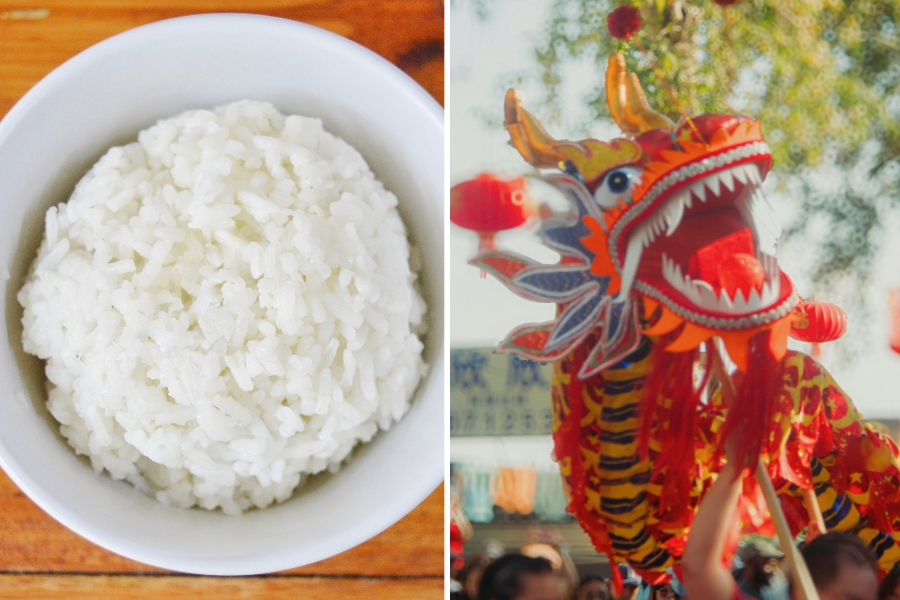
“We eat rice at night, and we stay up late! That’s how we celebrate Ramadan,” the girl said before adding, “And you also look at real dragons.”
Real dragons?Ramadan is the Muslim fasting period in which no food or drink is consumed between sunrise and sunset, so the eating rice at night and the staying up late parts made sense. The real dragons were a bit of a headscratcher, though.
It appears Reign’s daughter was conflating Ramadan with Chinese New Year or Lunar New Year, and adding a bit of four-year-old imagination to the mix as well. Celebrations of Chinese New Year often include dragon costumes or other dragon imagery, and, since Chinese New Year coincided with the start of Ramadan this year, the confusion is understandable.
People in the comments found the whole exchange delightful:
“No , we’re not gonna fact check her….we are now her followers and plan to eat rice at night, stay up late and look at real dragons. It has been ordained!!!”
“As a Muslim I approve her understanding of Ramadan.”
“Idk about the dragon part maybe I haven’t unlocked that level of Muslim yet.”
“As a Muslim I wanna celebrate Ramadan this way too. I’ve been doing it wrong my whole life.”
“As an Arab, I also want to eat rice at night and look at real dragons.”
“I’m a Malaysian Muslim who is fasting, with Chinese neighbours. I do, in fact, eat rice at night and stay up late to watch dragons with them. Their Chinese New Year’s fireworks are craaaaaazyyyyyyy.”
“This child is absolutely adorable she wants to celebrate Ramadan and the Chinese New Year. She has aunties worldwide.❤️”
“It’s a confusing time to be a preschooler. Black History Month, Chinese New Year, Lent, Ramadan. Plus Valentine’s Day and 100th day of school. February is busyyyy.”
“My son tried to take a day off school for Eid and we’re Catholic.”
Kudos to Mama Reign for her expert handling of the situation. It’s not always easy to respond appropriately when your child is upset. However, honoring her desire to celebrate Ramadan while also making it clear that she didn’t yet know how to do that was solid. Keeping it together when the “real dragons” came in was also some top-notch self-control.
chinese new year, first night of ramadan and mardi gras all on the day omg?
Most likely, Reign’s daughter had been learning about the various holidays and how to celebrate them at school. At four years old, trying to keep the overlapping holidays in our multicultural world straight is genuinely challenging! Still, what an adorable reminder of how far we’ve come to see one another’s cultural and religious traditions as something to celebrate.
(Especially when there are real dragons involved, of course.)
Being a mom can be a lonely role. A 2024 study published by The Ohio State University Wexner Medical Center found that 66% of parents reported feeling isolated, and a whopping 79% reported a desire to connect with others outside of work and home.
One mom on Reddit shared exactly how she went from feeling “so incredibly lonely” to having a “huge mom village” in just one year.
She explained that it started at the end of 2024, when she found herself feeling really miserable and thinking about the new year ahead.
“I don’t speak to my family, my in-laws are out of state and honestly it was getting to the point where my husband was my only consistent friend,” she wrote. “It can be really soul crushing to have no network of adults to share life with. I needed more connection.”
How she grew her “mom village”
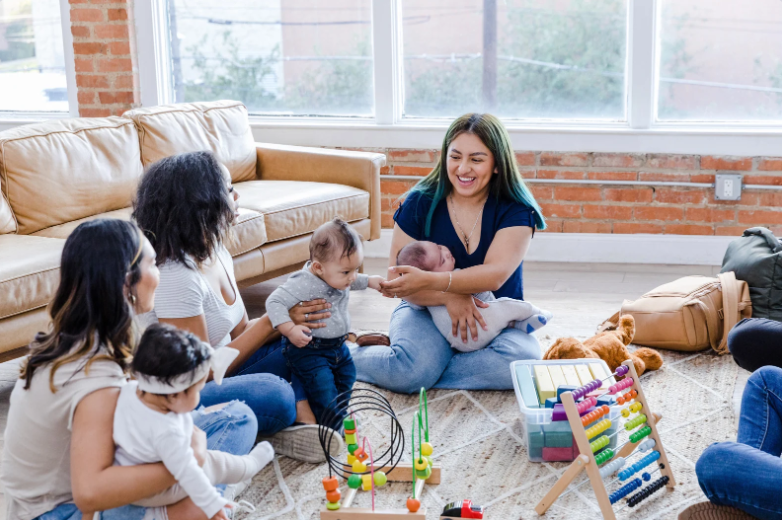
She decided to try the “most bottom barrel thing I could think of”—she planned a monthly mom dinner for fellow moms. Some she knew, some she didn’t.
“I invited every mom I knew, but that wasn’t going to cut it so I started inviting moms I didn’t know at all,” she shared. “Make eye contact with me in the pick up area? Hey there, I have a monthly mom dinner I host if you want to come. Our kids are in the same class and I saw you for five minutes once from across the hall? Please take this invitation to my monthly mom dinner. We’re FB friends who haven’t seen each other in 20 years, but I saw your post about needing to get out? Mom dinner.”
In the comments, she explained that the dinners started out at restaurants, but that it cut “many moms due to finances and childcare,” so she began to switch it up by adding in potlucks.
She put herself out there by extending invites, something she said was “a little uncomfortable at first.” However, the positive response quelled any of her insecurities.
“The overwhelming reaction was excitement and gratitude, so after the first few it became really easy,” she wrote. “Women have been so receptive to hanging out with other women. I have had moms decline or not show up, but I have yet to feel rejected by anyone.”
She added that each fellow mom she encountered could relate to the need for a “Mom dinner.”
“Literally every single mom I’ve spoken to gets it,” she added. “We all seem to be in the same sinking boat.”
Momentum started to increase, and by six months in, she noticed she had added many more mom friends into her life.
“I went from having two mom friends that I knew would probably watch my kids in an emergency, to a real village with a bit more than 20 of those mom friends,” she shared. “This was unimaginable to me when I started the dinner in 2025.”
Although she doubted her experiment would work, it did, and there was an unexpected benefit: “My kids are even having sleepovers now, that’s how much trust and community we’ve built.”
Finally, she wants to encourage other moms to step outside their comfort zones.
“All it really took was the courage to say I’m lonely out loud to other people and a FB event invite,” she explained. “It’s been such a positive change in my life, so I just wanted to share my experience.”
Women enjoy dessert together. Photo credit: Canva
Moms react
Her idea to connect moms and build a strong fellowship of mom friends resonated with lonely mothers:
“This is the way to do it. I did something similar, and it is SO AWKWARD to put yourself out there for a few months/a while and hope to get something back (especially as an introvert) but now we have annual egg hunts, July 4th parties, outdoor movie nights, summer parties, etc. where we just invite dozens of people and have this awesome little village community.”
“My social anxiety could never but it wishes it could. 😂 This sounds honestly so lovely. I’m sure this has helped a lot of moms feel part of the wider world again. I’d come to your mom dinner in a heartbeat.”
“This is great! A YouTuber I love (Hannah Witton) tries to do coffee mornings every month or so where they have coffee, pastries, brunch type snacks and invite young families over to just drop in for however long they can. It has definitely encouraged me to do something similar to build our village. A mom of a classmate recently organized a mom dinner for our class and it was amazing. All of us indicated it was something we needed more of. I’m glad she took the initiative to get it set up.”
Malala Yousafzai most certainly has a lot of light. At the young age of 11, she began advocating for education for girls after the Taliban took over her district of Swat in Pakistan. About three years later, she, (alongside two other girls) was shot in the head on a bus for her passionate, outspoken views.
She survived and went on to address the United Nations about the importance of education. From her non-profit’s website, “The U.N. recognized July 12 as Malala Day, in honour of her courageous advocacy and to highlight the global struggle for education. With her father, her ally and inspiration, she established Malala Fund, an organisation dedicated to giving every girl the opportunity to learn and choose her own future.”
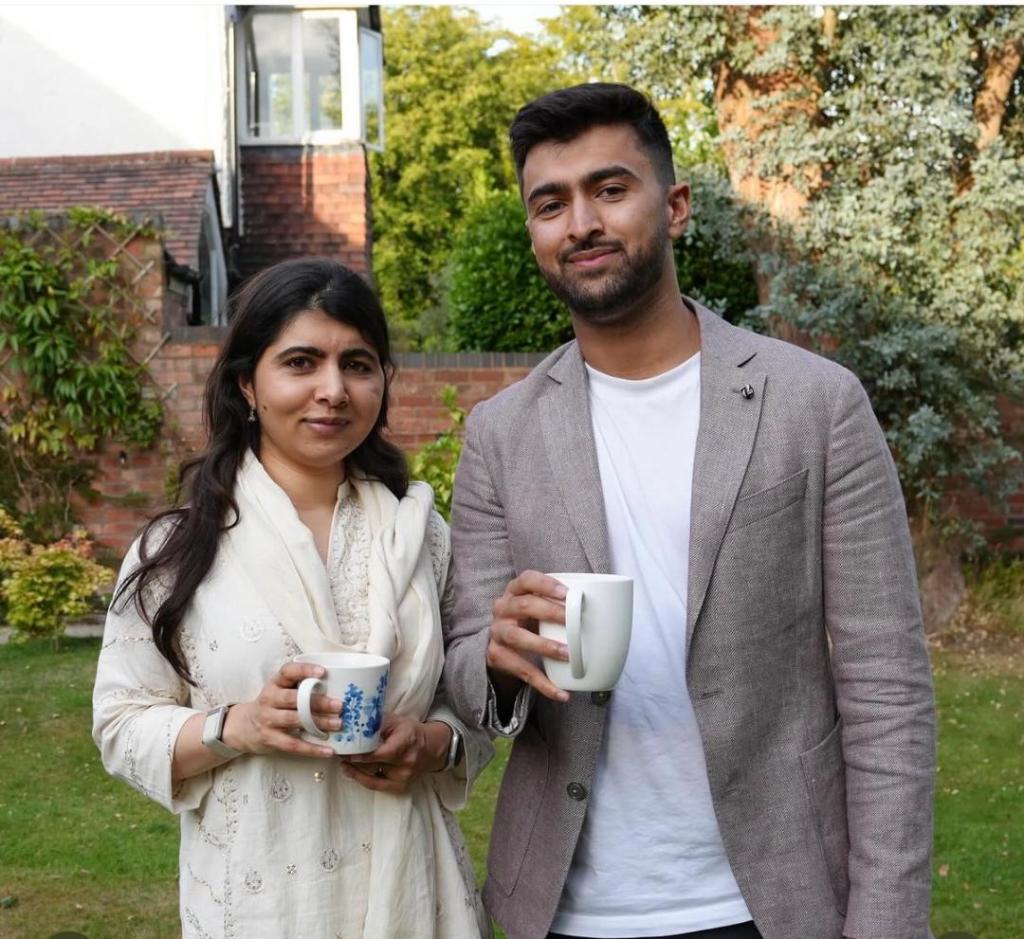
Recently, one of her younger brothers, Khushal Yousafzai, was speaking at the Oxford Scholars Program when he was asked if he ever felt “overshadowed” by his sister’s accomplishments. His answer was vulnerable, heartfelt, and lovely. “My sister almost died. Forget her getting the Nobel Prize. Forget her getting the limelight. I would give up my life for you to have a life. Death puts things into perspective like nothing else does.”
He pauses and asks, “Why would her success take anything away from me? I’m not in my sister’s shadow. I’m in my sister’s light. And Rumi has this beautiful quote: ‘A candle doesn’t lose its light when it lights up another candle.’ It actually makes the world a brighter place. It lights up the whole room.”
He continues with the message of supporting the people you love. “So guys, uplift each other. If you see your friend, uplift them. Because guess what? We all are gonna die someday. And your friends, I’m sure they mean a lot to you. And at times, there is that feeling of jealousy. You don’t want to be going to their funeral and telling their parents how amazing they were. Because guess what? It’s too late. So tell them while they’re still alive. You don’t want to live with that, so uplift people while they’re still here.”
Khushal speaks frequently to students about his journey. He is also a fierce advocate for education and finding the fuel to live life to its fullest. From the bio he shared with Upworthy: “Through his educational platform, Yousafzai Academy, he mentors students about personal and academic growth, learning from setbacks, and leadership.”
Many in the Instagram comments are beautifully supportive and touched by his words. “So beautiful to see his immense love for his sister shared so honestly, vulnerably, and without any hint of shame or resentment. And the Rumi quote is just so perfect. ❤”
Another notes that his wisdom isn’t surprising, considering that his whole family is involved in activism. “This family has got all the right things going on! What a gift to the world.”
This person was moved by his words, especially by the idea of uplifting people while there’s still time. “Wisdom. Beautiful. Fabulous. What a family! Uplift your friends. Uplift people while they are still here. Yes!”
And this commenter deduces from his clip that the trauma their family has been through has created a thoughtful empath. “You have a high level of empathy 🙏🏽💕. Only people who have come close to death know the depth of your words and the bond you share with your sister.”
Millennials with Baby Boomer parents have not been shy about airing their complaints about the older generation. Millennials have previously noted that their parents tend to hoard food—and now Millennials are airing their grievances about Boomer “stuff avalanche”.
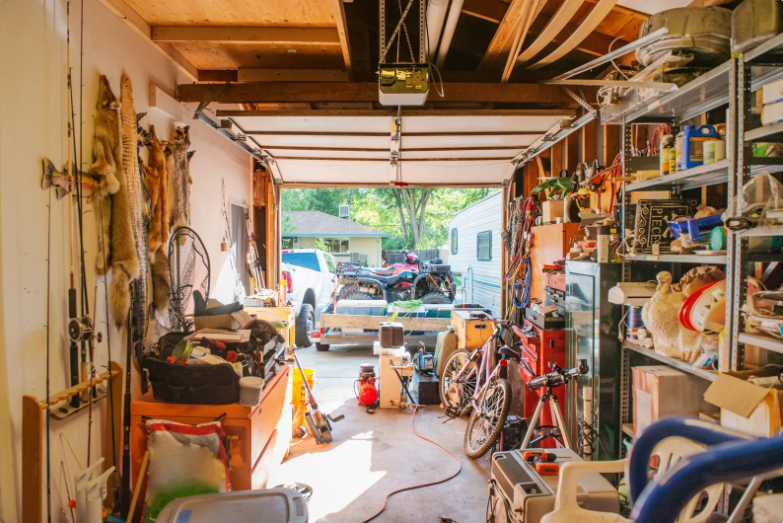
On Reddit, Millennials discussed their frustrations about their Boomer parents and the insane amount of junk they have in their homes that (allegedly) will one day be passed down to them one day. Many Millennials shared that it is a source of contention for them, and that they wish their parents would just throw things out.
“3 car garage…cannot fit a single car in there,” one commented. And another stated, “I am very concerned with the amount of junk my parents are holding onto.”
A fellow peeved Millennial added, “The worst part is that our parents think this is all worth lots and lots of money. Don’t worry kids, these three sets of china I’m saving for you will be worth millions!”
Another had laid down the law: “My mom kept joking about all the ‘stuff’ being my inheritance. After a few times I was tired of it, I looked her dead in the face and said in the most monotone I could get. ‘I will get the biggest dumpster I can, and it will all go in the trash.’ She stopped making that joke, and my parents have been slowly throwing out their junk ever since.”
A Baby Boomer garage that is filled with stuff. – Photo credit: Canva
Why Boomers struggle to throw things away
The Boomer generation grew up in the post-war era shaped by rationing and economic rebuilding,” Daniel Glazer, clinical psychologist and co-founder of US Therapy Rooms, tells Upworthy.
He adds that the Boomer inability to let stuff go is often criticized, when you look at the psychology of their attachment to objects, their behavior makes much more sense.
“Not so long ago, saving things was an adaptive habit. ‘That might come in handy’ was a common refrain in households in which replacing something was not so easy, or affordable,” says Glazer. “There is also an element of emotional security that comes from the things that have surrounded us through decades of life events, or even across a lifetime.”
And for many Boomers, getting rid of stuff can signify an even bigger mental battle.
“As people age, there can also be an increased awareness of mortality,” Esin Pinarli, Founder & Holistic Psychotherapist at Eternal Wellness Counseling. “Letting go of objects can feel symbolic, almost like letting go of chapters of their life. If no one is asking about those chapters anymore, those objects become the tangible proof that those experiences mattered. So it’s not stubbornness. It’s often about attachment, meaning-making, and a fear of losing relevance or erasing parts of their story.”
How to help Boomers declutter
Starting the conversation with Boomer parents in an empathetic and understanding way may help the process go more smoothly and deepen the relationship with them. Here are a few examples of conversation starters Millennials can use when talking to their Boomer parents about throwing things away:
Conversation Starter #1: “I know these things mean something to you. I’d love to hear the story behind a few of them.”
“This shifts the focus from getting rid of objects to honoring the meaning behind them,” says Pinarli. “When a parent feels seen and understood, they’re often more open to eventually letting go. It validates that the attachment is about memory and identity, not just stuff.”
Conversation Starter #2: “What would feel good for you to keep, and what feels like it’s just taking up space now?”
“This gives them agency,” Pinarli explains. “Instead of telling them what to throw away, it invites them to reflect on what still feels meaningful versus what might no longer serve them. That sense of control reduces defensiveness.”
Conversation Starter #3: “Would it help to go through this together so we can make sure the important things are preserved?”
“This frames decluttering as a collaborative and supportive process, not a demand,” Pinarli shares. “It reassures them that their memories and legacy won’t be dismissed or erased, which can lower the emotional intensity around letting go.”
Nobody wants to hear anyone using the restroom. Still, sometimes, if you live or work in close quarters, it can be hard to go discreetly without anyone hearing the splashing, grunting, toilet paper ripping, and flushing that goes on while you’re on the throne. Some try to mask the noise with strategic flushing, while others let the tap run—but that can be a big water waste.
A Florida father found a way to put a silencer on his bathroom door by strategically adding a pool noodle to the bottom, and people are applauding his ingenuity. He sliced the noodle down the center and affixed it to the bottom of the door so no sound could escape. It probably helps keep the smells out as well.
Brilliant dad soundproofs his bathroom
A picture of the invention was shared by one of his children on Reddit. “Florida man adds pool noodle feature to a bathroom door *for ‘noises,’*” they captioned the image.
“Well, that’s using your noodle,” one commenter wrote.
The man’s brilliant solution to a problem that affects all of humanity inspired others on Reddit to share their favorite pool noodle hacks. Here are some of the best:
1. Keep toys from going under the couch
“We use pool noodles under the edges of the couch and table so toys don’t get knocked underneath them. The dogs appreciate it more than our son does.”
“We had to trim a little off the noodle for the couch because it sat lower, but we used whole noodles for the coffee table. The important part is that it’s a tight enough fit to wedge into place.”
“This will be huge for the dogs, cats, kids, and Roomba.”
2. Keep your records in place
“I use a piece of noodle at the back of my IKEA KALLAX shelving to keep vinyl records from sliding too far back and stay evenly faced up front. If you want black instead of colorful, use pipe insulation—it’s basically the same though not as cheap.”
3. Stop drafts
“I use mine wrapped with T-shirts to block the draft under my front door. I love how you can cut it to fit perfectly to fit the doorframe.”
“I use a piece of one on top of my bedroom door to keep it open just a little bit so the cat can get out, otherwise the air pressure tends to push it shut.”
5. Protect your noggin with a noodle
“Slit a pool noodle and wrapped it the length of a shelf’s edge in my pool cabana. I no longer crack my forehead on the sharp edge when I lean in to crank the pool filter setting.”
The Florida father who used a pool noodle to prevent unwanted sounds—and probably scents—from escaping his bathroom is further proof that the pool noodle has countless uses. It’s fair to say pool noodles have now joined the ranks of zip ties, Pedialyte, and binder clips as accidental multipurpose objects that can really get you out of a jam (or fill a door jam) when you need help around the house.
Choosing a college major is a big deal for students and parents alike because one’s college major sets the groundwork for their future career and income.
One mom decided that, in order to set her kids up for future financial success, she would limit her kids’ college major choices.
Mom and therapist Ruth Han, LPC, took to Instagram to share how she helped guide her children on choosing their college majors—and her methods seem pretty controversial.
Han began the video by saying people are going to “lose their minds” when she tells them why she is implementing limits for her kids’ college majors. She added that her husband thought she was crazy and thought their kids would rebel when she delivered the news.
“College is not a time to explore your passions. I do not have the money or the time for that,” she said. “Absolutely take advantage of all the extracurriculars and the opportunities that a college campus offers. But college, to me, is a white collar trade school, so you have to graduate with an in-demand skill.”
The four majors are: Nursing, Accounting, Engineering, and Computer Science.
Her biggest reason for limiting college major choices is tuition itself, which she adds can cost up to $400,000. Han explains her homeschooled kids earned full merit scholarships as well. However, she argues that young adults will have a harder time launching if they don’t earn enough money to financially support themselves.
“They can at that time figure out what they want to do and what their passions are. So it was best for me to do something to make sure that my kids were going to enter young adulthood with a highly-marketable, in-demand skill.”
Han explained that she told her kids that they would have her full financial support for four years, but “after that i have to focus on my retirement because I do not expect you to support me in my old age. As a mother, it’s my duty to make sure that you can provide for yourself.”
That means doing whatever her kids want to do. “You want to go play guitar on the boardwalk for money? Go for it. You wanna be a professional gamer, an actress, a dancer, a musician, a pro athlete—go for it. I want them to do whatever they want once they have the actual ability to make that choice as an adult because then you also have to have the ability to handle all of the ups and downs of such choices.”
Her final takeaway: “As parents, we have to make sure that they start out in life without any student loans,” Han said.
“My daughter had 1 choice… tech, and I won’t say she agreed. But after becoming a SE and making 110K straight out of college, she was very happy she listened.”
“Certified HR professional with 18 years of experience and having worked for Fortune 500s, tech, and hedge funds (as HR) I can tell you she’s saving them so much time wasted. So many professionals don’t end up in the fields they studied delaying their peak salary. Every single one of those degrees have high salaries averages and are respectable degrees. I’ve never seen a high paying job (200k+) asking for liberal arts preferred…”
“This is what my parents pretty much did lol I wanted to go to acting school my dad said get a degree first and I got an engineering degree. I’m actually happy he did that.”
“I love the concept of launching young adults VS raising children. I’m on board.”
“Having worked in higher education, practically my entire career, I can say from professional experience that this sounds like good advice but it’s not that cut and dry. Great, you limited the education and career options for your child because of its earning potential. Congratulations, now your child is crying in my office their entire senior year because their unhappy, not really good at what they’ve studied because they were never invested, and now they’re on their way to being unemployed or underemployed because they never really mastered the skill set. They just sat in class to make you happy. A paid dancer makes more than an unemployed engineer everyday of the week. And trust me… there are a bunch of unemployed engineers, doctors, and lawyers.”
“I totally understand your reasoning but also maybe they shouldn’t go to college if they don’t like those majors. I have a long list of people who decided the majors they graduated in weren’t for them. They decided they were happier being carpenters, bartenders, teachers, opened restaurants, etc. Those big paychecks and so called secure jobs killed their soul.”
“I got a BFA in acting. Went on to become a professional theatre creator for years, and then received a scholarship to get my masters degree at Columbia where I now have the opportunity to work on Broadway. Thank GOD my mother didn’t do this, and she accepted and supported my talent and drive for what it was! I’m so glad my parents saw me for who I was, even if it wasn’t the most statistically probable path towards financial stability (yes, we both have student loans to pay for this). And perhaps this might come as surprising, but an advanced tertiary education is about learning, not just financial gain.”
“I would have dropped out of school in 2 days if I had been in accounting/nursing/engineering. I also would have wasted YEARS not developing the skills I was passionate about and been behind. I am SO thankful I had parents who supported ‘out of the box’ ways of life and thought my art degree was a great idea. The overall liberal arts education was mind-opening! I started my own company and now make more each year than any accountant or nurse I know, plus I work from home on my own schedule and have tons of time with my family. Doing what I LOVE. I also paid for all my own schooling by choosing affordable schools and finding creative ways to pay for them. My parents supported creative ways to make money but never handed me cash. It’s my education, not theirs.”
Oldest siblings can have a complicated relationship with their youngers. They may be separated by many years, or just one or two. They can be best friends or mortal enemies depending on the day. Siblings tend to fight and have conflict at an almost laughably high rate, and yet, in many cases, they are among the most meaningful relationships in a person’s life.
However, it’s often not until kids grow up that they truly appreciate the bond they have with their siblings and the crucial role that each of them has played in the other’s lives.
Poet Joshua De Schutter recently performed a tear-jerking poem dedicated to his older sister, Joy, and it’s striking a nerve with people everywhere who grew up with siblings.
De Schutter, who is only in his early twenties, has been posting clips of his performances online for about two years. In that short time he has amassed over a million followers. Viewers connect deeply with his incisive observations about life, love, and family, and his poems are extremely accessible in their language and structure, giving them a broad appeal almost anyone can relate to.
A recent piece about older siblings has racked up over three million views.
“Someone to protect me from everything that hurt them, that’s what it really means to have an older sibling,” De Schutter says early in the piece, which is a spoken word poem performed in a natural cadence.
“Someone in my life I don’t even remember meeting, someone who loved me before I knew love was a feeling … And man, it must be hard, being mom and dad’s first, being the kid that taught them how to be adults, being the first kid to experience those flaws and responsibilities you have to inherit. We all know that the first child becomes the third parent.”
One of the best lines comes as he makes a realization about his older sister’s love and protection: That it came at a cost.
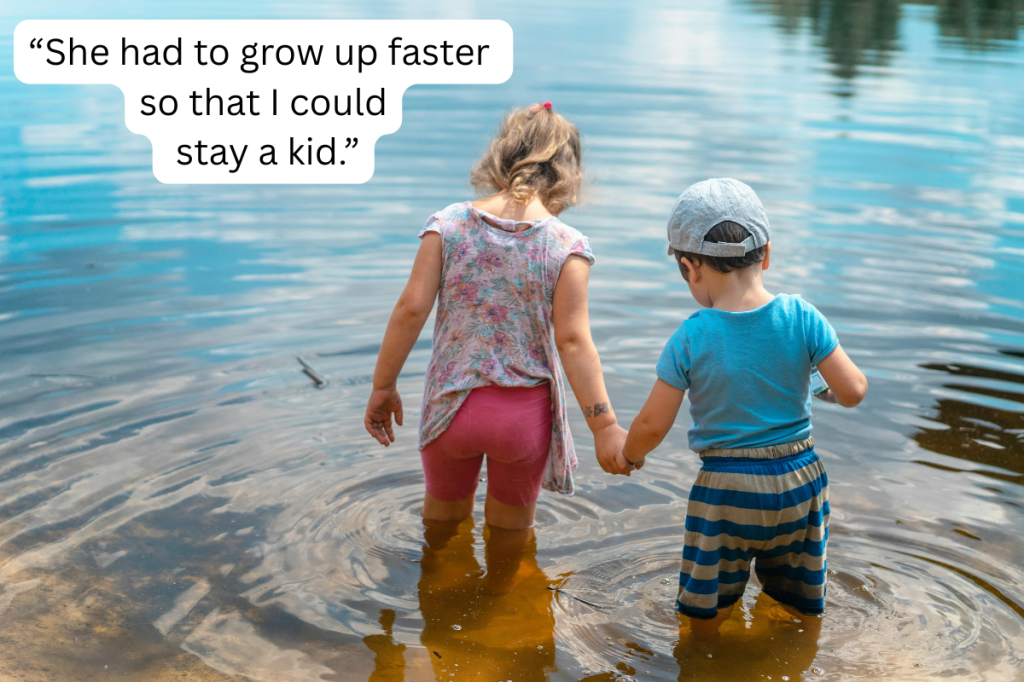
“Then you grow up and you look back at all they did… and you realize she had to grow up faster so that I could stay a kid.”
Nearly five-thousand people commented on De Schutter’s video expressing their gratitude for his message. Many were brought to tears:
“as an eldest child, i’m crying. thank you.”
“I’m the eldest child and this made me cry so much … thank you for your words. This isn’t your first poem that brought me to tears. You touch many lives. Keep doing what you do!”
“As the eldest sibling, my younger siblings are literally my babies and I’d do anything for them”
“Sitting here, crying. Because me and my older sister didnt get along so good. I wish we would have. And crying, because I hope my First daughter will be this for her Younger Sisters. And crying, because it will be hard for her.”
“recently lost my little sister and she expressed some of these same sentiments. It’s one of the only things that bring me solace. I miss her so much”
“Thank you for putting this into words. As the older sibling by almost 8years with a single mom I wish I could’ve had this kind of appreciation.”
De Schutter’s poem captures something many eldest siblings inherently understand. Birth order, research shows, can play a huge role in the development of our personalities.
(The young poet has a real talent for taking seemingly simple observations about life and making them hit like a sledgehammer.)
“Oldest child syndrome” refers to traits that are commonly seen in a firstborn kid as they grow into an adult. They often grow up faster and reach cognitive milestones more quickly, take on more responsibility at a younger age, and can be drawn to leadership roles as adults. However, the extra responsibility and parent-like roles they take on can have a toll on their mental health. There’s an extremely fine line between a kid learning responsibility and leadership versus becoming parentified. Too much of the latter can cause massive stress, anxiety, and healthy boundary issues in children as they grow up.
Oldest siblings, of course, are rarely recognized for these contributions to the family. In many cases, they do make sacrifices in their own childhood in order to be a role model and caregiver for their younger siblings, so it’s no wonder hearing that hard work finally acknowledged in De Schutter’s poem is bringing so many eldest siblings to tears.