
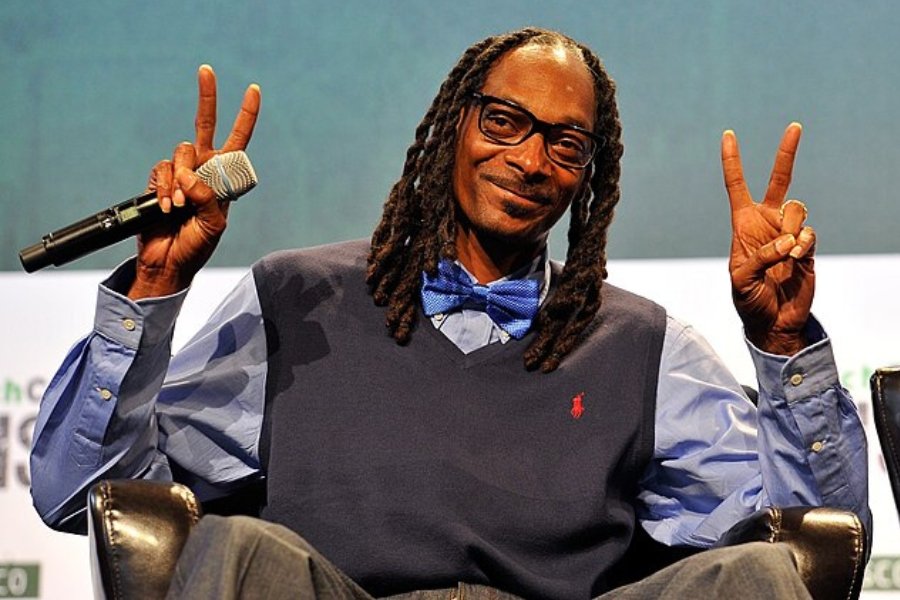
Few people in the public eye have had as dramatic a redemption arc as 90s gansta rapper, Martha Stewart best bud and Olympics ambassador Snoop Dogg. The 52-year-old has become a beloved figure for multiple generations who enjoy his chill positivity and endearing, get-along-with-everyone persona.
No one who came of age in the 90s would ever have imagined their parents or grandparents becoming Snoop Dogg fans, yet here we are.
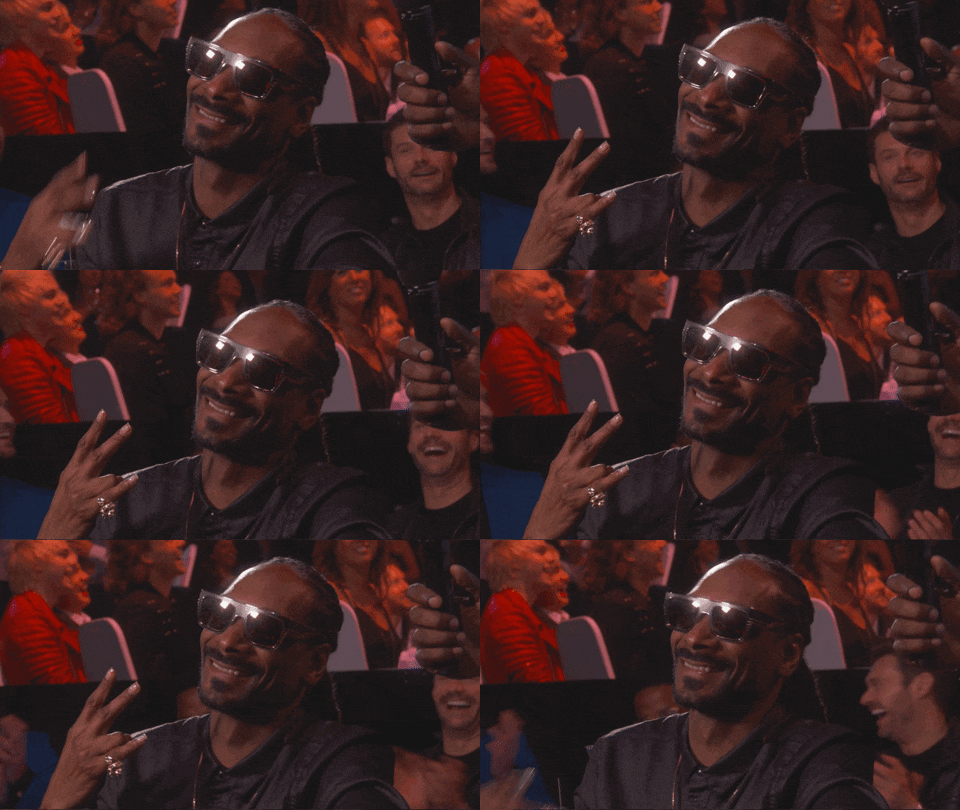
The perpetually stoned G-funk star came onto the music scene as a bad boy of West Coast hip-hop in the early 90s, with a criminal rap sheet that included felony drug possession and sale and first-degree murder charges (for which he was acquitted). His music reflected his gangster lifestyle, with references to drugs and alcohol, deadly gang rivalries and derogatory slang terms for women.
But to his credit, a couple of key interactions with other musicians led Snoop to change his tune when it comes to putting misogynistic lyrics into his songs.
Dionne Warwick told Snoop and his friends to say it to her face
In 2023, Snoop shared in the CNN film Dionne Warwick: Don’t Make Me Over that singing legend Dionne Warwick had invited him and some other 90s rappers to her house. They were to arrive no later than 7:00 a.m., and they found themselves so intimidated, they were in her driveway at 6:52 a.m..
“We were kind of, like, scared and shook up,” Snoop said. “We’re powerful right now, but she’s been powerful forever. Thirty-some years in the game, in the big home with a lot of money and success.”
Warwick said she respected their right to express themselves but was tired of the misogynistic lyrics in their songs. She pulled a power move, demanding that they call her a “b__ch” to her face.
““You guys are all going to grow up,” she told them. “You’re going have families. You’re going to have children. You’re going to have little girls, and one day that little girl is going to look at you and say, ‘Daddy, did you really say that? Is that really you?’ What are you going to say?”
Snoop said that he and his fellow rappers were “the most gangsta as you could be” at that time and believed they couldn’t be checked. He admitted, however, that Warwick “out-gangstered” them that day.

Another musician who caused Snoop to rethink his language was Pharrell Williams. In an exclusive interview with PEOPLE, Snoop said of his earlier career, “”I was stuck in a box with keeping it gangster and trying to appease the hood,” he says. “I had one singular target that I was aiming at and really didn’t have room to grow.”
Pharrell Williams encouraged Snoop to show love and appreciation to the women in his life
Pharrell was instrumental in Snoop’s 2003 hit, “Beautiful,” which Snoop said he would never have written in the 90s. “He tapped me into the side that I really never paid attention to,” Snoop said. “He was like, ‘You’ve been rapping about women and calling them and h–s and they love you. When are you going to take time to show them that you love them and appreciate them?’”‘
“I had to think,” said Snoop. “I was like, ‘Damn. I am kind of hard on them. Let me listen to you. What should I do?’”
In the studio, Williams began naming off all of the women in Snoop’s family. “I was like, ‘I get it … put the beat on,’” Snoop said. “Since then I’ve been on more of a respect my queen rather than use derogatory words to explain my feeling towards females.”
What these stories show is what makes Snoop Dogg so universally likeable—his willingness to learn and grow, even as he’s turned into Grandpa Snoop.
“I just want to keep getting better and better, and being around people that want to see me do better,” he told PEOPLE. “Even if that means that I’m not the smartest person in the room, that don’t offend me because that means more learning rather than teaching.”

Snoop is a good example of someone willing to evolve
Being open to your own evolution is a remarkable trait, especially when it’s so easy to become entrenched in our own ideas and identities as we age. You don’t have to listen to rap music or share his penchant for weed to acknowledge that Snoop seems genuinely down-to-earth and willing to learn and grow. We’ve seen it in his appearances with Martha Stewart and in his Olympic commentary. He listens. He’s curious. He engages whole-heartedly. Those qualities draw people in, but they also allow for growth and positive change.
As Snoop said to Warwick after sharing the story of her special invitation to her house all those years ago, ““Dionne, I hope I became the jewel that you saw when I was the little, dirty rock that was in your house. I hope I’m making you proud.”

















_(cropped_2).jpg)
.jpg)


