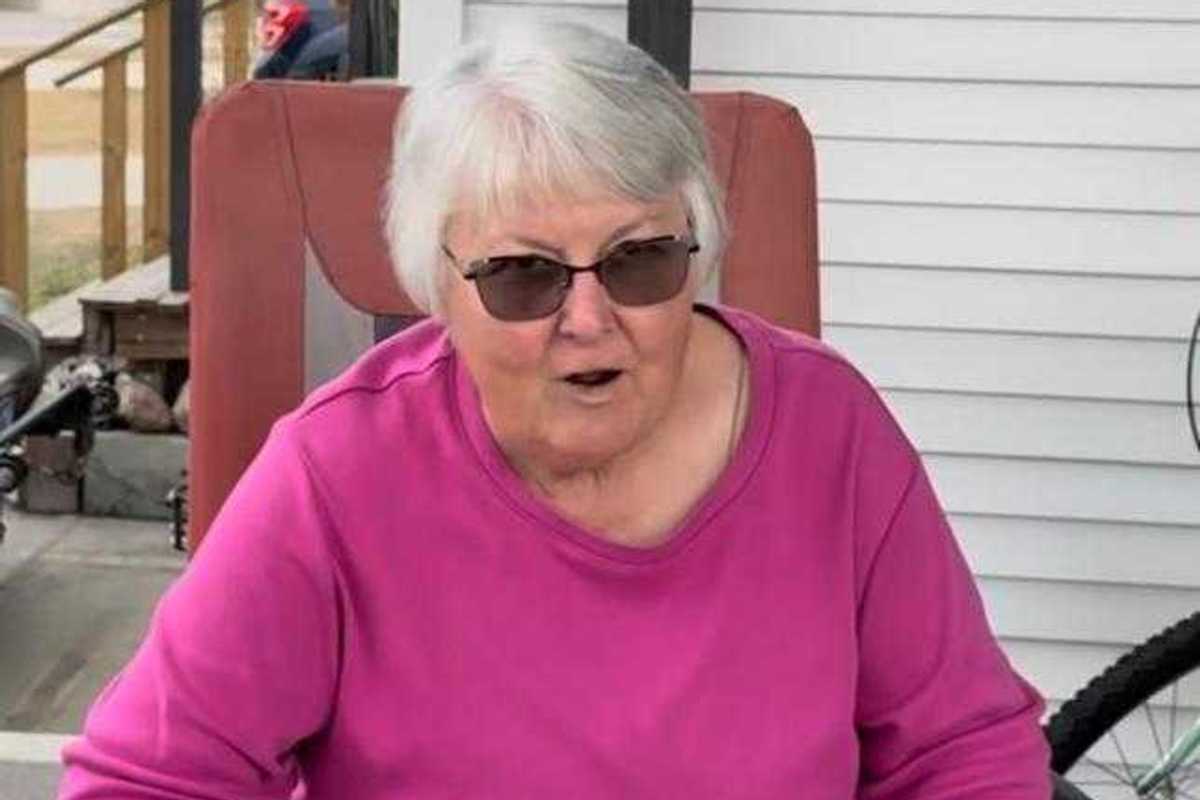
People admit the one thing that Boomers really got right and some folks are uncomfortable
"You have to force yourself to do things that are difficult and uncomfortable."
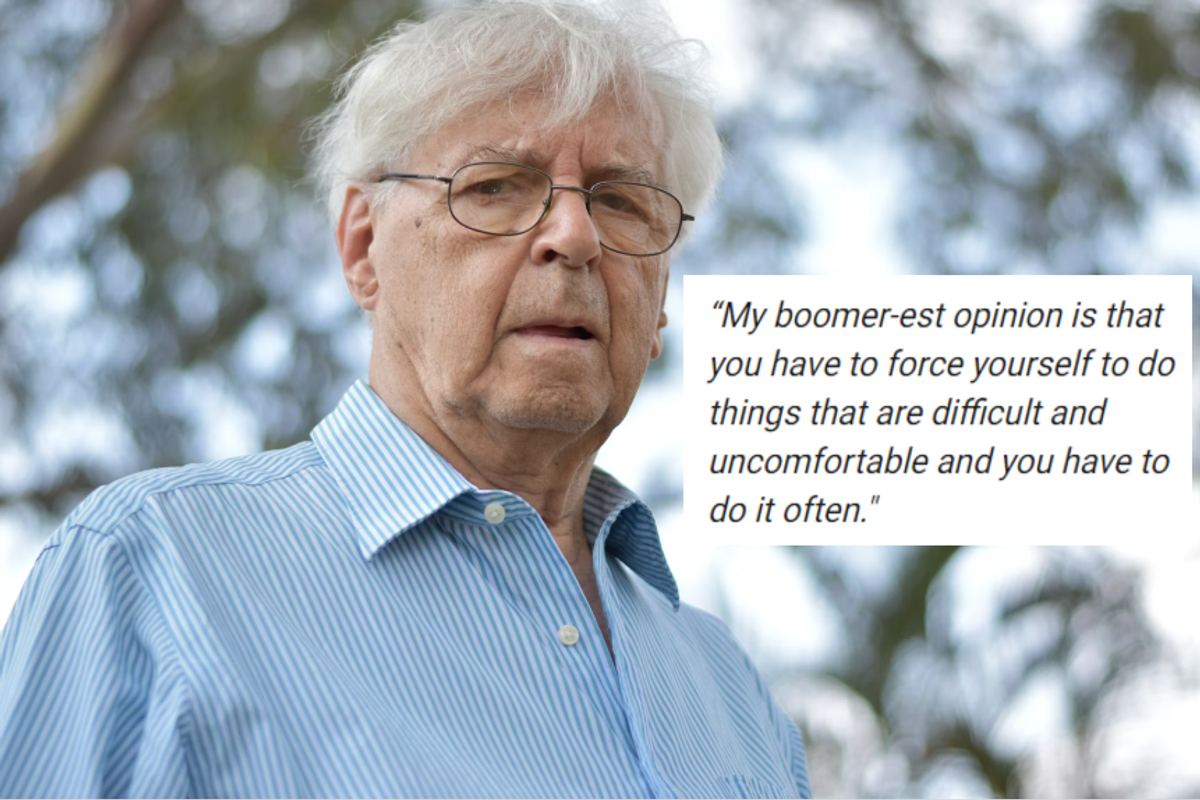
A Baby Boomer has some thoughts on emotional resilience.
An overarching Baby Boomer stereotype is that they have a problem with the younger generations, especially Millennials because they were coddled growing up and lack the determination to do hard things.
Many believe that when helicopter parents shelter kids from discomfort, they never develop the emotional resilience that it takes to succeed on their own. Some may even attribute this to the increase in mental illness.
A writer on X, who goes by Katie, recently admitted that Boomers who believe facing discomfort has a significant benefit may be right. Her post has been seen over 4 million times.
“My boomer-est opinion is that you have to force yourself to do things that are difficult and uncomfortable and you have to do it often, while you’re young and your brain is still flexible." Yes, even if you are (functionally) mentally ill,” Katie wrote. “Buying groceries can be uncomfortable. going to school/work can be uncomfortable. Socializing can be uncomfortable. The more you do it, the less uncomfortable it will be. If you can do these things (I know that there is a % of the population that isn’t), you have to do them often.”
“I’ve never come back to a piece of life advice more than this one,” she continued before quoting Virgil Thompson. “Try a thing you haven't done three times. Once, to get over the fear of doing it. Twice, to learn how to do it. And a third time to figure out whether you like it or not.”
Many people agreed with Katie’s Boomer-adjacent thoughts on building emotional resilience.
literally how i forced myself to heal from my social anxiety
— Sunny (@Akpochimara1) March 20, 2024
This is actual science. You literally build pathways in the brain by doing hard things, pathways that make it easier to repeat doing hard things. By quitting, fleeing, avoiding hard stuff you make it less likely you’ll succeed next time. This is actual brain science.
— Tom (@mulltf) March 20, 2024
This is what’s been saving my life from depression, it’s very sound advice even if it doesn’t feel that way in the moment!
— Viktoria Katanov ☭ 🇵🇸 (@viktoriakatanov) March 21, 2024
my life only started improving when i forced myself to do the shit i had no desire to do. you either rot in that dark hole or claw your way out of it. having support and encouragement is wonderful, but at the end of the day you’re the only one who can change the outcome
— demon twink from hell (@medi4wh0re) March 20, 2024
Some folks are on the fence.
It is true in a sense, but this ability to "force" oneself may itself be governed by processes you don't have control over.
— Loads of Daffodils (@LODProduces) March 20, 2024
I agree, but the boomer take extends this to include everything: "it's normal to hate your job, your partner, and life itself, and you just have to push through it." Doing initially uncomfortable things to live a better life is good; ignoring your own needs and happiness isn't.
— Matty "Nails" Sheephard (@DeprivedSheep) March 20, 2024
Others disagreed with Katie’s point, saying that the idea that we can all “pull ourselves up by our bootstraps” is ableist and erases the struggles that people with anxiety, depression and other mental illnesses have.
I get what you’re saying, but that last part is pretty ableist tbh. Some of us with somatic anxiety disorders are physically unable to do certain things. Like I have issues with driving, and one of my anxiety symptoms is vertigo. Bad combo there. I’m otherwise fully functional.
— Lemur 🏳️🌈🇵🇷🏴 (@floatinglemur) March 20, 2024
Clearly you don't understand that people can have executive dysfunction where this is literally impossible, or PTSD where doing "uncomfortable" things is actually very triggering and can cause full blown panic attacks. You have to be comfortable and safe first.
— B (they/them) (@normalishvegan) March 20, 2024
I can’t exactly force myself to stop being autistic 💀
— Ayden Zabelle (@AydenZabelle) March 21, 2024
So, what does the research say?
Dr. Simon Sherry, a professor in the Department of Psychology and Neuroscience at Dalhousie University, says that coddling has caused real problems for the younger generations. "There is nothing wrong with wanting to keep kids safe, but we must recognize there are unintended consequences in our current approach of excessive caution and vigilance. Instead, we must teach our youth to face anxiety, take risks, and overcome fears,” Dr. Sherry told CTV News. "We need to get control of this societal problem before it causes further damage for future generations.”
When it comes to confronting uncomfortable situations, Dr. Launa Marques, Associate Professor at Harvard Medical School and Former President of the Anxiety and Depression Association of America, says avoiding discomfort can make anxiety even worse.
“Psychological avoidance isn’t about the actions we take or don’t take, but the intentions behind them,” she told The Washington Post. “If our actions aim to squash discomfort hastily, then we’re probably avoiding. For each of my clients, avoidance became a crutch, initially tempering their anxiety but progressively amplifying it. Psychological avoidance, rather than alleviating anxiety disorders, can exacerbate them.
Obviously, everyone’s situation is different and people who are experiencing mental health issues should consult their therapists to determine the best course of action to overcome their challenges.
This article originally appeared last year.
- Boomer dad plays song to comfort his daughter going through divorce and it's simply perfect ›
- Millennial argues Boomer generation 'anxiety-at-you' parenting language is bad for kids ›
- Teacher admits there are 11 things that Boomer parents totally got right ›
- Don't want boomer hand-me-downs? At least be kind about it. - Upworthy ›

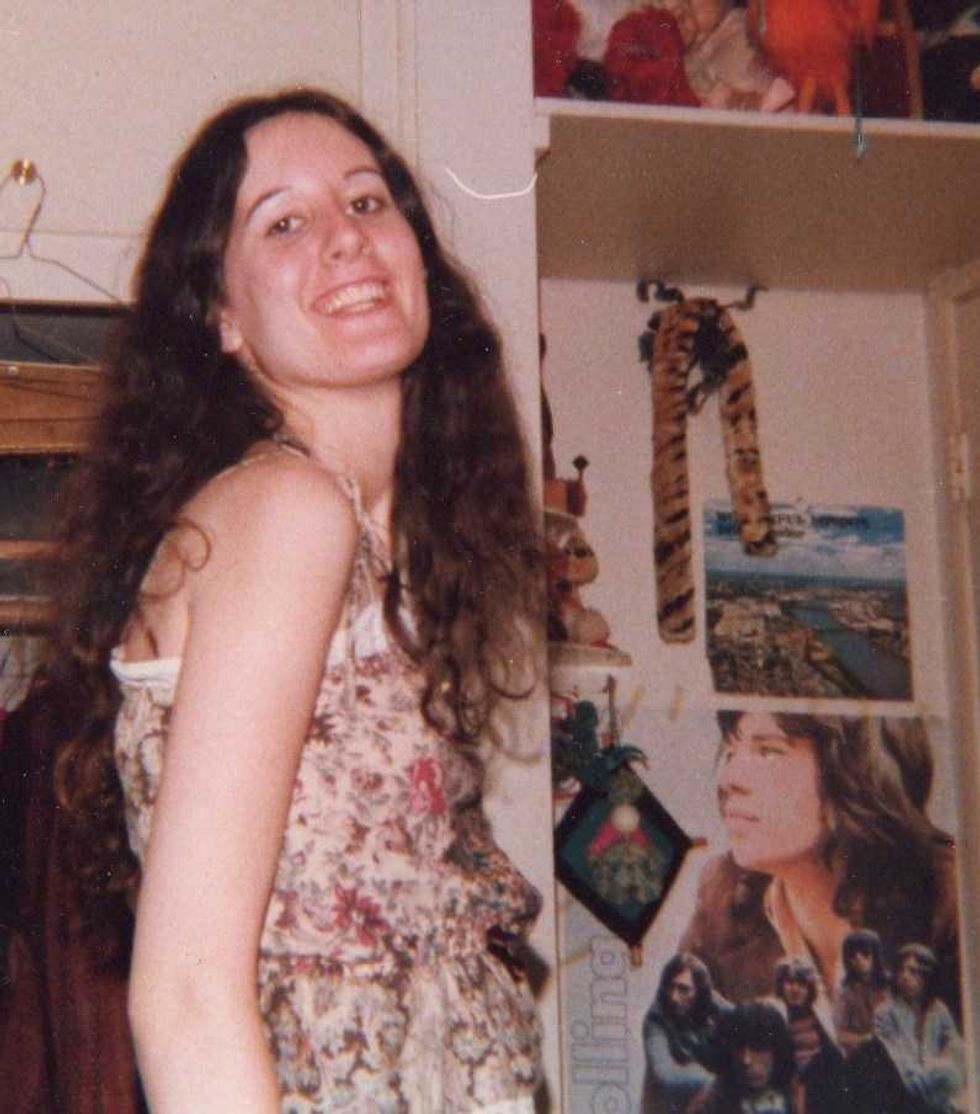 A Generation Jones teenager poses in her room.Image via Wikmedia Commons

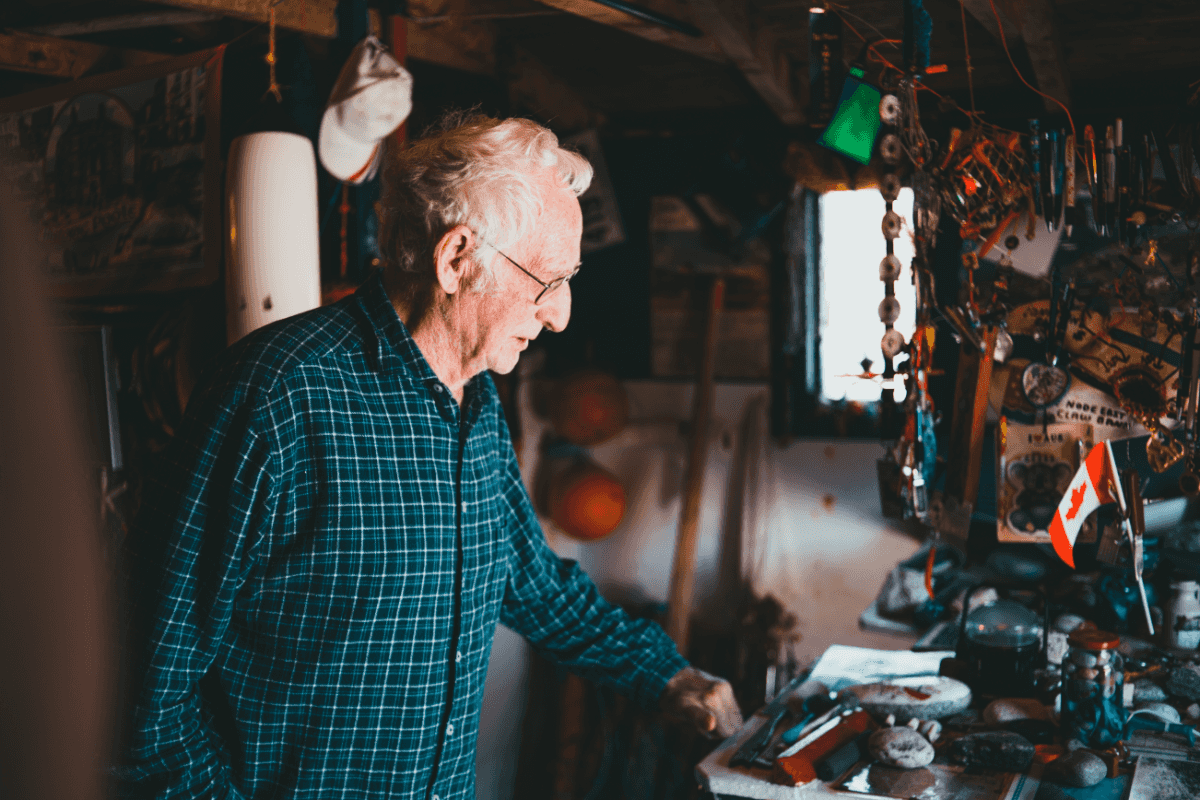
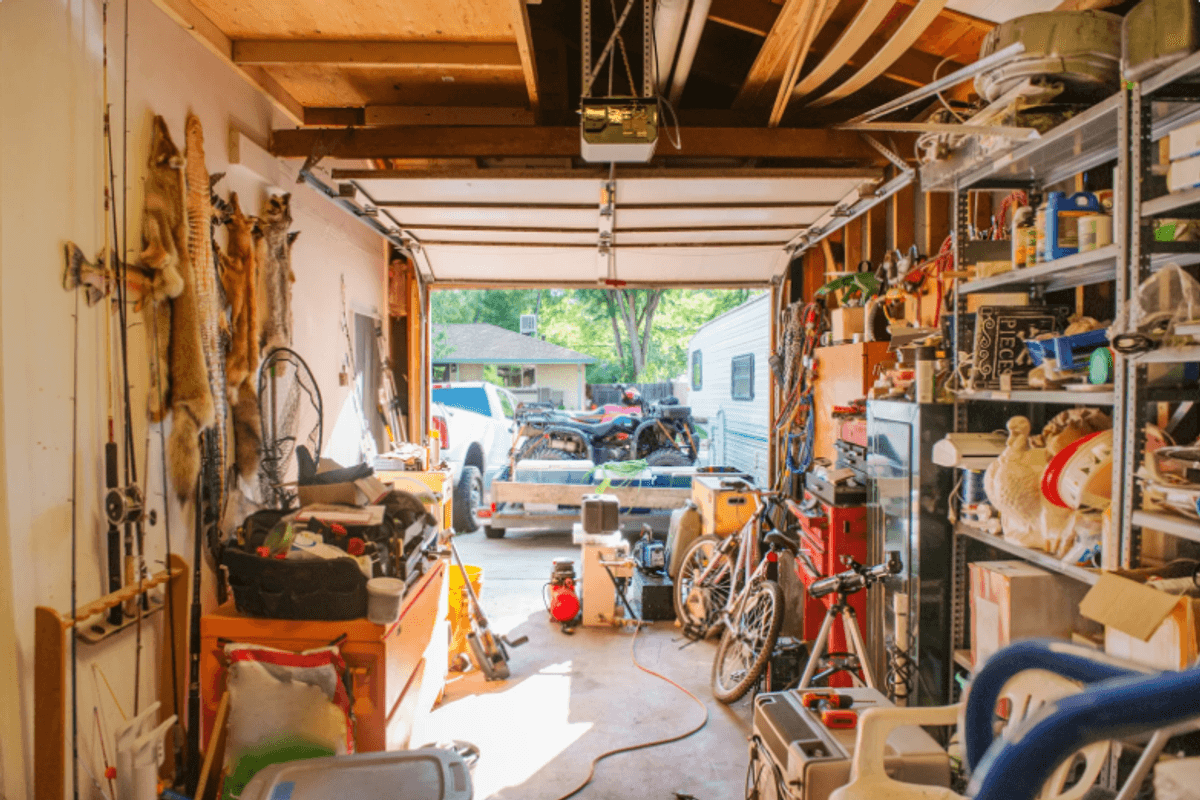 A Baby Boomer garage filled with stuff.
 A van travels down the road.
  A person plays the guitar.
  A man smiles.
  A damaged vehicle sits on the side of a road.