
American food doesn’t have a reputation for being very spicy. But if things keep going the way they have over the past 20 years, that could change. America is going through a spicy renaissance that is hard to miss at fast-casual restaurants, drive-thrus, and in the snack aisle.
As of 2025, 19 out of every 20 restaurants in the United States offer at least one spicy item. Frito-Lay now sells at least 26 varieties of Flamin’ Hot snacks, and as of last year, more than half of Americans were likely to buy an item listed as “spicy,” compared to 39% in 2015.
While this massive shift in American tastes sounds like it is bound to cause more pain than pleasure, research suggests the opposite. In fact, multiple studies associate eating spicy food with living a longer life. A 2025 study published in the Chinese Medical Journal found that people who ate spicy food at least once a week had a lower risk of vascular disease than those who rarely or never ate it.
A 2017 study from Larner College of Medicine at the University of Vermont found that Americans who ate hot red chili peppers had a 13% lower risk of death. Here is the big one: In 2020, research presented at American Heart Association Scientific Sessions, using data from more than 570,000 people, found that those who regularly consumed chili peppers had a 26% lower risk of death from cardiovascular disease and a 25% lower overall risk of death.
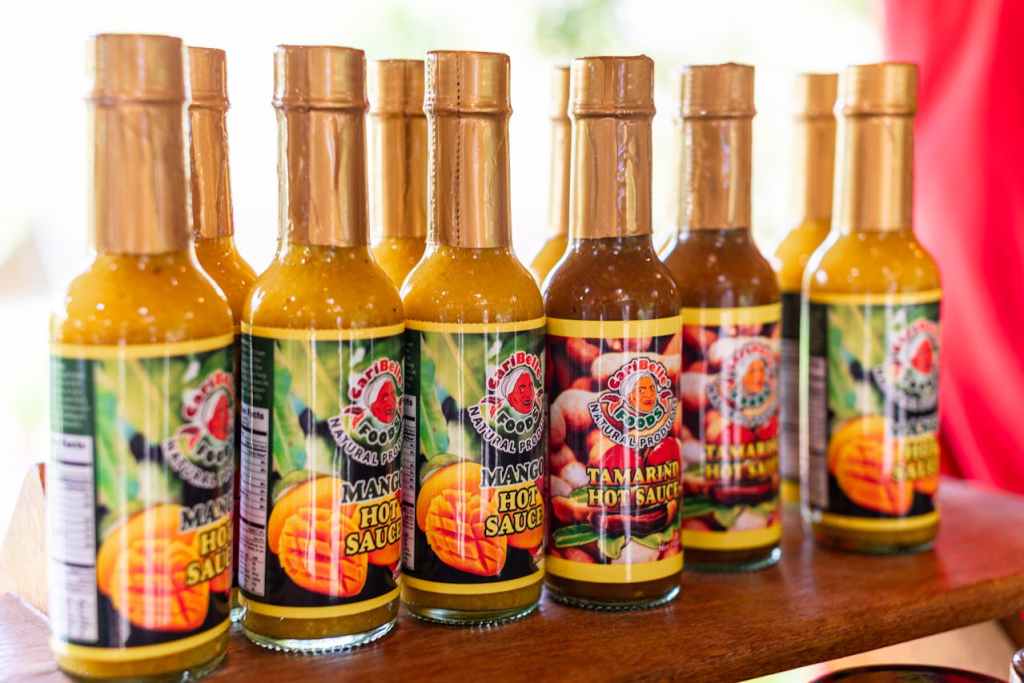
The studies show that eating spicy food is associated with greater longevity, but they have yet to pinpoint a direct cause. Correlation is not causation, so other lifestyle factors could be involved. However, capsaicin, the compound that gives peppers their heat, has been found to have numerous health benefits that may directly affect longevity, particularly heart health. Plus, it binds to receptors throughout the body, so its greatest benefits may yet be discovered.
According to Mayo Clinic, capsaicin has been found to increase the body’s ability to burn calories. It is also known to fight low-grade inflammation, which may contribute to heart health. One study found that capsaicin significantly reduced risk factors in adults with low HDL cholesterol levels.
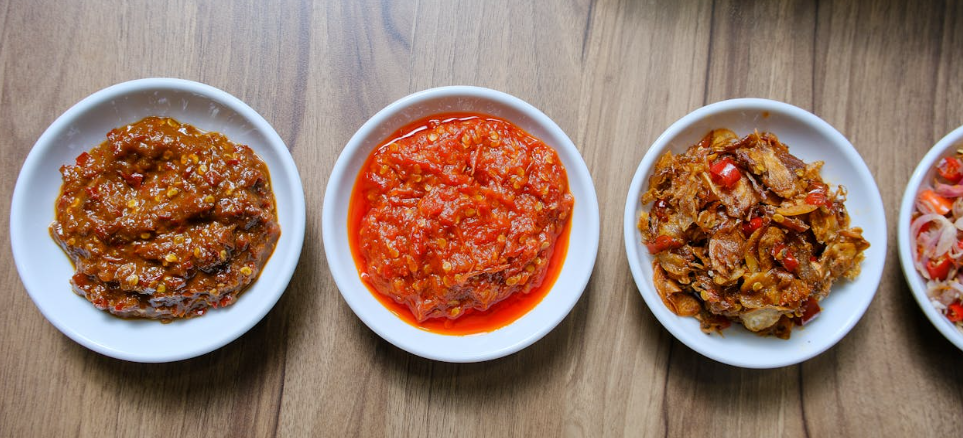
“Chili peppers have many life-extending benefits and can be used in many meal preparation strategies,” Dr. Philip Goglia told Your Tango. “Capsaicin, which can be found in chilies, has been shown through past studies to have antibacterial, anticarcinogenic, and anti-diabetic properties. Additionally, it can reduce cholesterol levels in obese individuals.”
In a world where things that taste good are often bad for your health, this is great news for people who love food with a kick. It is a great excuse to carry a little bottle of Tabasco wherever you go. If you are not into spicy food but want the health benefits of capsaicin, take it slow by trying a little spice here and there, and you may build a tolerance. Before you know it, you could be graduating from mild chicken wings to Molten Lava Atomic Inferno sauce and cruising down the road to longevity.