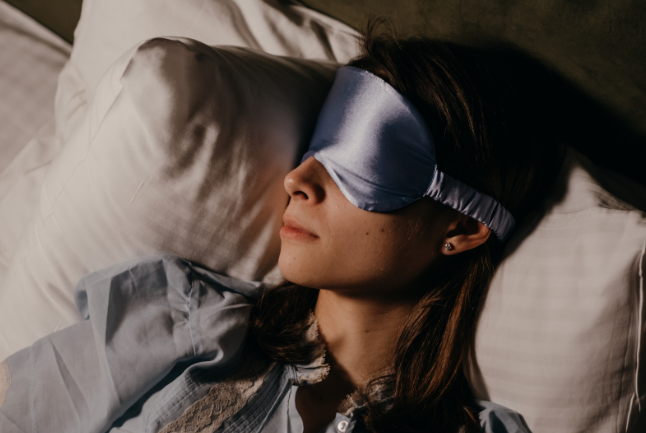
If you’re having trouble sleeping, you’re not alone. A study from 2020 found that 14.5% of adults had trouble falling asleep most days. More than a third of Americans report getting less than 7 hours of sleep over 24 hours and 13.5% say they feel exhausted most days.
When you get a bad night’s sleep, you feel terrible the next day, but that’s just half the problem. Sleep deficiency is linked to heart disease, kidney disease, high blood pressure, diabetes, stroke, obesity and depression.
To help people get a better night’s rest, a Redditor named AdOld2060 asked the AskReddit subforum, “What’s your secret to falling asleep quickly?” They received over 100 responses, with people sharing their methods to fall asleep at night.
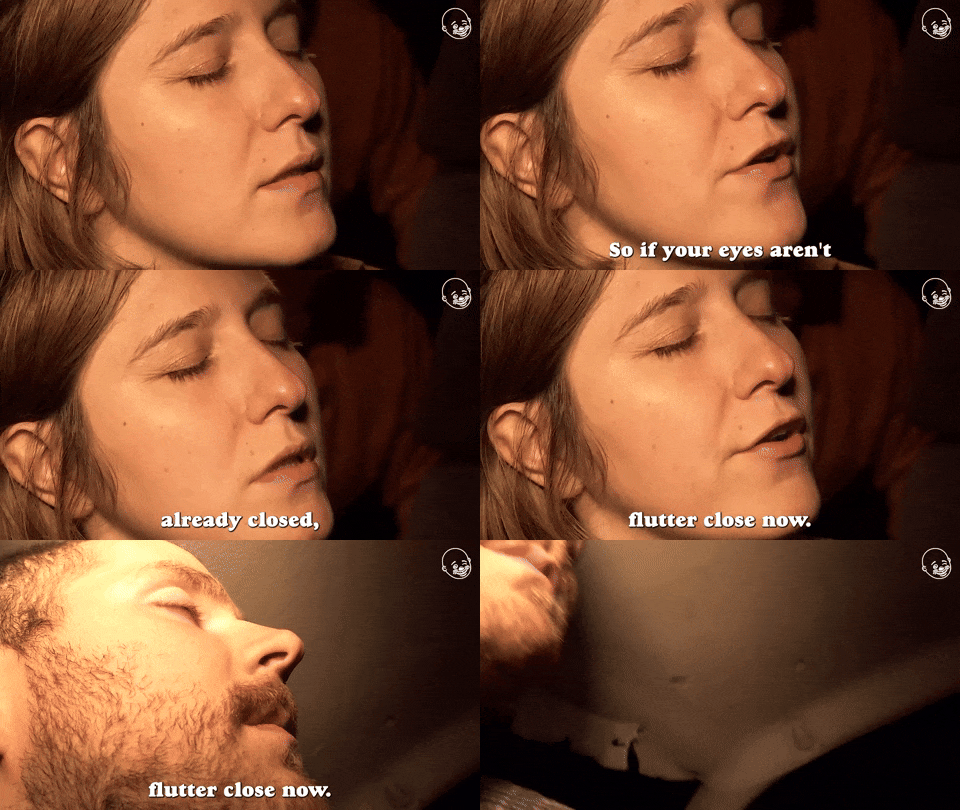
The responses ranged from a military hack to a detailed visualization that the Redditor claims helps them fall asleep in minutes. The cool thing is that many techniques were varied, so if one doesn’t work for you, the next one could.
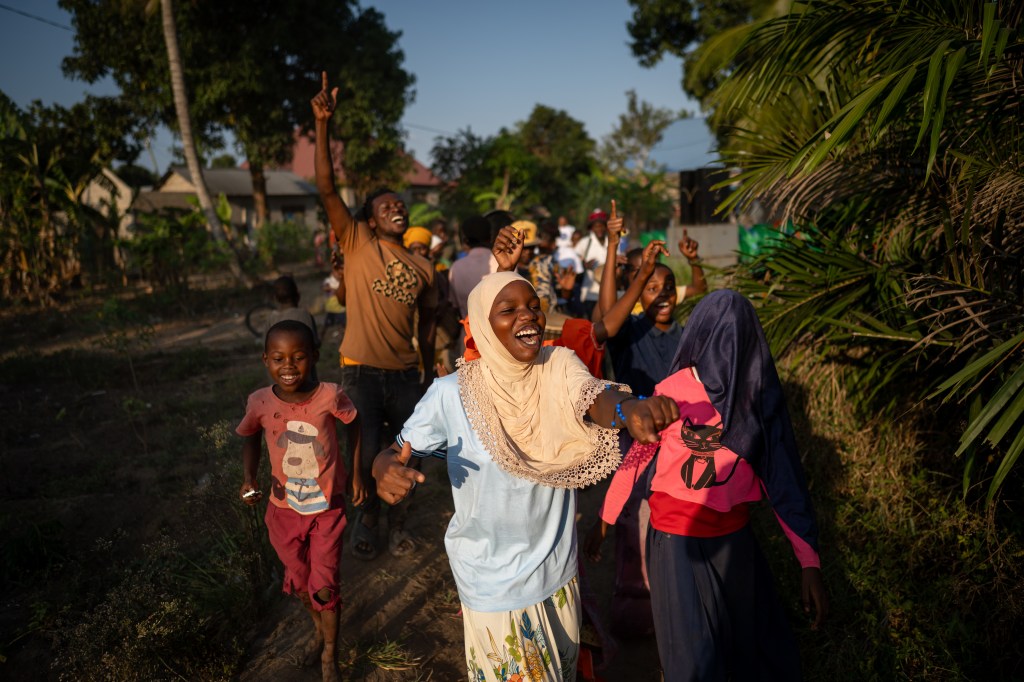
In a small village in Pwani, a district on Tanzania’s coast, a massive dance party is coming to a close. For the past two hours, locals have paraded through the village streets, singing and beating ngombe drums; now, in a large clearing, a woman named Sheilla motions for everyone to sit facing a large projector screen. A film premiere is about to begin.
It’s an unusual way to kick off a film about gender bias, inequality, early marriage, and other barriers that prevent girls from accessing education in Tanzania. But in Pwani and beyond, local organizations supported by Malala Fund and funded by Pura are finding creative, culturally relevant ways like this one to capture people’s interest.
The film ends and Sheilla, the Communications and Partnership Lead for Media for Development and Advocacy (MEDEA), stands in front of the crowd once again, asking the audience to reflect: What did you think about the film? How did it relate to your own experience? What can we learn?
Sheilla explains that, once the community sees the film, “It brings out conversations within themselves, reflective conversations.” The resonance and immediate action create a ripple effect of change.
MEDEA Screening Audience in Tanzania. Captured by James Roh for Pura
Across Tanzania, gender-based violence often forces adolescent girls out of the classroom. This and other barriers — including child marriage, poverty, conflict, and discrimination — prevent girls from completing their education around the world.
Sheilla and her team are using film and radio programs to address the challenges girls face in their communities. MEDEA’s ultimate goal is to affirm education as a fundamental right for everyone, and to ensure that every member of a community understands how girls’ education contributes to a stronger whole and how to be an ally for their sisters, daughters, granddaughters, friends, nieces, and girlfriends.
Sheilla’s story is one of many that inspired Heart on Fire, a new fragrance from the Pura x Malala Fund Collection that blends the warm, earthy spices of Tanzania with a playful, joyful twist. Here’s how Pura is using scent as a tool to connect the world and inspire action.
A partnership focused on local impact, on a global mission
Pura, a fragrance company that recognizes education as both freedom and a human right, has partnered with Malala Fund since 2022. In order to defend every girl’s right to access and complete 12 years of education, Malala Fund partners with local organizations in countries where the educational barriers are the greatest. They invest in locally-led solutions because they know that those who are closest to the problems are best equipped to solve and build durable solutions, like MEDEA, which works with communities to challenge discrimination against girls and change beliefs about their education.
But local initiatives can thrive and scale more powerfully with global support, which is why Pura is using their own superpower, the power of scent, to connect people around the world with the women and girls in these local communities.
The Pura x Malala Fund Collection incorporates ingredients naturally found in Tanzania, Nigeria, Pakistan, and Brazil: countries where Malala Fund operates to address systemic education barriers. Eight percent of net revenue from the Pura x Malala Fund Collection will be donated to Malala Fund directly, but beyond financial support, the Collection is also a love letter to each unique community, blending notes like lemon, jasmine, cedarwood, and clove to transport people, ignite their senses, and help them draw inspiration and hope from the global movement for girls’ education. Through scent, people can connect to the courage, joy, and tenacity of girls and local leaders, all while uniting in a shared commitment to education: the belief that supporting girls’ rights in one community benefits all of us, everywhere.
You’ve already met Sheilla. Now see how Naiara and Mama Habiba are building unique solutions to ensure every girl can learn freely and dare to dream.
Naiara Leite is reimagining what’s possible in Brazil
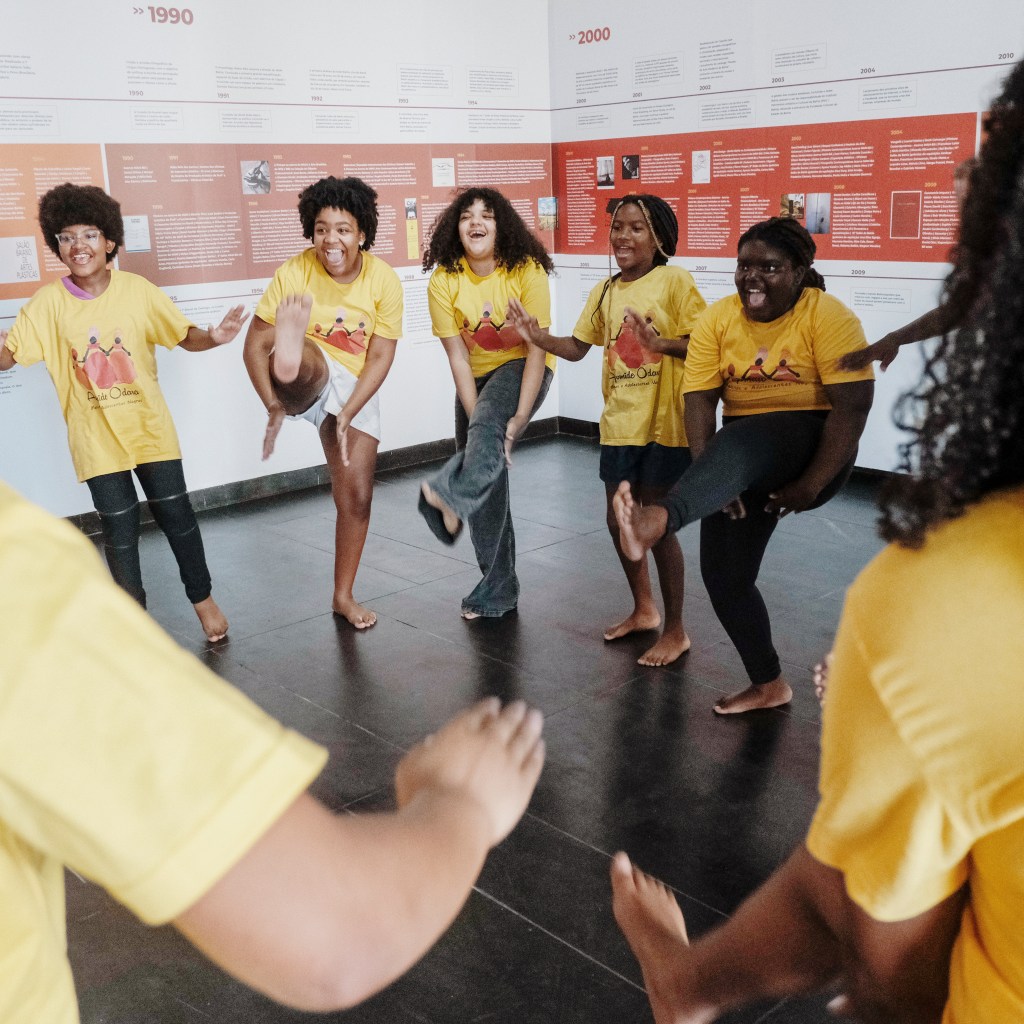
Julia with Odara in Brazil. Captured by Luisa Dorr for Pura
In Brazil, where pear trees and coconut plantations cover the Northeastern Coast, girls like ten-year-old Julia experience a different kind of educational barrier than girls in Tanzania. Too often, racial discrimination contributes to high dropout rates among Black, quilombola and Indigenous girls in the country.
“In the logic of Brazilian society, Black people don’t need to study,” says Naiara Leite, Executive Coordinator of Odara, a women-led organization and Malala Fund partner. Bahia, the state where Odara is based, was once one of the largest slave-receiving territories in the Americas, and because of that history, deeply-ingrained, anti-Black prejudice is still widespread. “Our role and the image constructed around us is one of manual labor,” Naiara says.
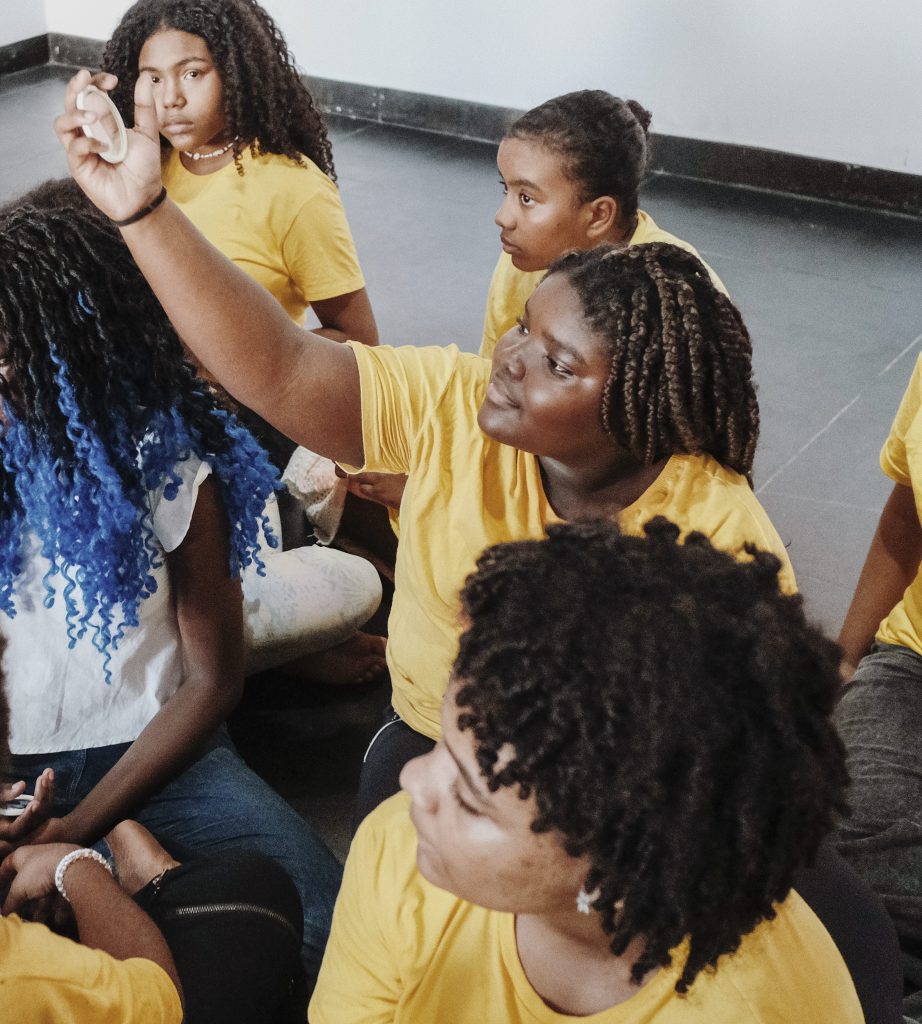
But education can change that. In 2020, with assistance from a Malala Fund grant, Odara launched its first initiative for improving school completion rates among Black, quilombola, and Indigenous girls: “Ayomidê Odara”. The young girls mentored under the program, including Julia, are known as the Ayomidês. And like the Pura x Malala Fund Collection’s Brazil: Breath of Courage scent, the Ayomidês are fierce, determined, and bursting with energy.
Ayomidês with Odara in Brazil. Captured by Luisa Dorr for Pura
Ayomidês take part in weekly educational sessions where they explore subjects like education and ethnic-racial relations. The girls are encouraged to find their own voices by producing Instagram lives, social media videos, and by participating in public panels. Already, the Ayomidês are rewriting the narrative on what’s possible for Afro-Brazilian girls to achieve. One of the earliest Ayomidês, a young woman named Debora, is now a communications intern. Another former Ayomidê, Francine, works at UNICEF, helping train the next generation of adolescent leaders. And Julia has already set her sights on becoming a math teacher or a model.
“These are generations of Black women who did not have access to a school,” Naiara says. “These are generations of Black women robbed daily of their dreams. And we’re telling them that they could be the generation in their family to write a new story.”
Mama Habiba is reframing the conversation in Nigeria
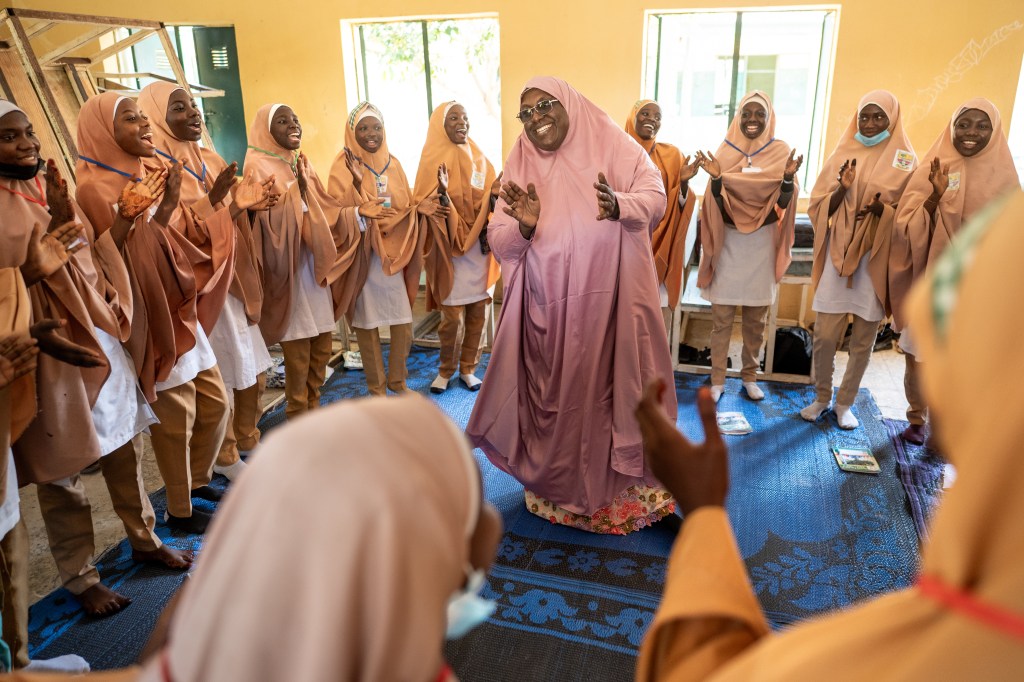
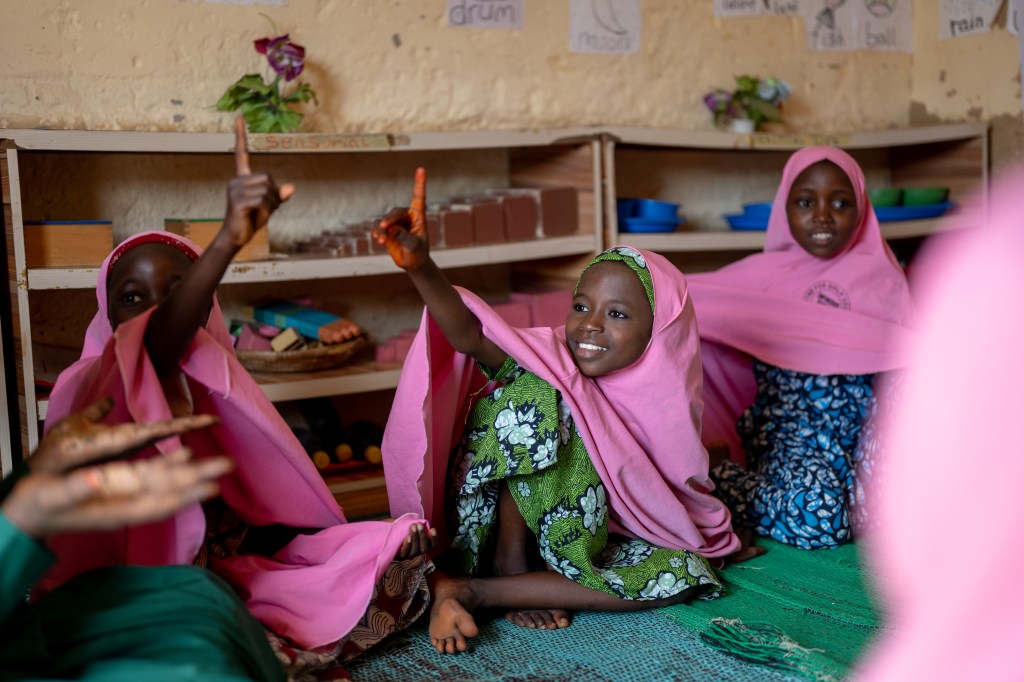
Centre for Girls' Education, Nigeria. Captured by James Roh for Pura
In Mama Habiba’s home country of Nigeria, the scents of starfruit, ylang ylang and pineapple, all incorporated into the Pura x Malala Collection’s “Nigeria: Hope for Tomorrow,” can be found throughout the vibrant markets. Like these native scents, Mama Habiba says that the Nigerian girls are also bright and passionate, but too often they are forced to leave school long before their potential fully blooms.
“Some of these schools are very far, and there is an issue of quality, too,” Mama Habiba says. “Most parents find out when their children are in school, the girls are not learning. So why allow them to continue?”
When girls drop out of secondary school, marriage is often the alternative. In Nigeria, one in three girls is married before the age of 18. When this happens, girls are unable to fulfill their potential, and their families and communities lose out on the social, health and economic benefits.
Completing secondary school delays marriage, and according to UNESCO, educated girls become women who raise healthier children, lift their families out of poverty and contribute to more peaceful, resilient communities.
Centre for Girls’ Education, Nigeria. Captured by James Roh for Pura
To encourage young girls to stay in school, the Centre for Girls’ Education, a nonprofit in Nigeria founded by Mama Habiba and supported by Malala Fund and Pura, has pioneered an initiative that’s similar to the Ayomidê workshops in Brazil: safe spaces. Here, girls meet regularly to learn literacy, numeracy, and other issues like reproductive health. These safe spaces also provide an opportunity for the girls to role-play and learn to advocate for themselves, develop their self-image, and practice conversations with others about their values, education being one of them. In safe spaces, Mama Habiba says, girls start to understand “who she is, and that she is a girl who has value. She has the right to negotiate with her parents on what she really feels or wants.”
“When girls are educated, they can unlock so many opportunities,” Mama Habiba says. “It will help the economy of the country. It will boost so many opportunities for the country. If they are given the opportunity, I think the sky is not the limit. It is the starting point for every girl.”
From parades, film screenings to safe spaces and educational programs, girls and local leaders are working hard to strengthen the quality, safety and accessibility of education and overcome systemic challenges. They are encouraging courageous behavior and reminding us all that education is freedom.
Experience the Pura x Malala Fund Collection here, and connect with the stories of real girls leading change across the globe.
It was everywhere. Men, women, and even children did it every time they left the house. If you see old newsreel footage of men in the office or on commuter trains from the advent of the motion picture camera to the early ‘60s, nearly everyone is wearing a hat. Hats were just as common for women in that era. For a woman to go out without a hat in the first half of the 20th century was akin to going out without clothes.
The funny thing is that everyone’s headgear is so similar in the old-timey footage that it makes previous generations look like big-time conformists. Then, in the early ‘60s, everything changed, and men and women started to go out in public with their hair exposed. Why did such a big aspect of fashion seem to change overnight?
Warmbru Curiosity investigated the question recently in a popular YouTube video. Warmbru’s channel is a lighthearted look at some of the more unusual people and events from our history and how they have influenced the world in which we live.
Why did people stop wearing hats?
Warmbru says fashion changed dramatically after World War II, when people in developed countries began to care less about expressing their social status. “This was especially true among the younger generation the rise of youth culture in the 1950s and 1960s emphasized rebellion against traditional norms, including formal dress codes,” the YouTuber says.
Don Draper from AMC’s Image via
Another big reason for the change in fashion was technology. Cars became the preferred mode of transportation for many after World War II and indoor environments became more hospitable. “People spent far less time exposed to the elements as people increasingly moved to urban areas and started using cars,” Warmbru says. “The practicality of wearing hats diminishes. Hats can be cumbersome in cars and on public transport, improvements in heating and air conditioning reduce the need for hats to provide warmth.”
Warmbru adds that President John F. Kennedy, elected in 1960, rarely wore a hat and his decision to go bareheaded became associated with modernity. Further, in 1963, the mop-topped Beatles proudly flaunted their hatless heads as they shook them while singing, “Wooooo.” Hat-wearing among women began to decline around the same time as the restrictive and complex headgear clashed with the burgeoning women’s liberation movement.
John F. Kennedy with his family Image via Wikicommons
The decline in hat purchases meant that manufacturers closed and the headgear became harder to come by. This reduced availability further contributed to the decline in hat-wearing. As fewer people wore hats, there became a greater demand for high-quality hair products and services. “Why spend a fortune at the hairdressers or the barbers just to cover the end result with a hat?” Warmbru asks.
Ultimately, there were many reasons why people stopped wearing hats. It appears that it was a combination of technology, influential people such as Kennedy and The Beatles, and the overwhelming mood of change that swept most of the Western world in the 1960s. But if one thing is true about fashion, it goes in cycles. So, it seems that hats may be ready for their big comeback.
This article originally appeared two years ago. It has been updated.
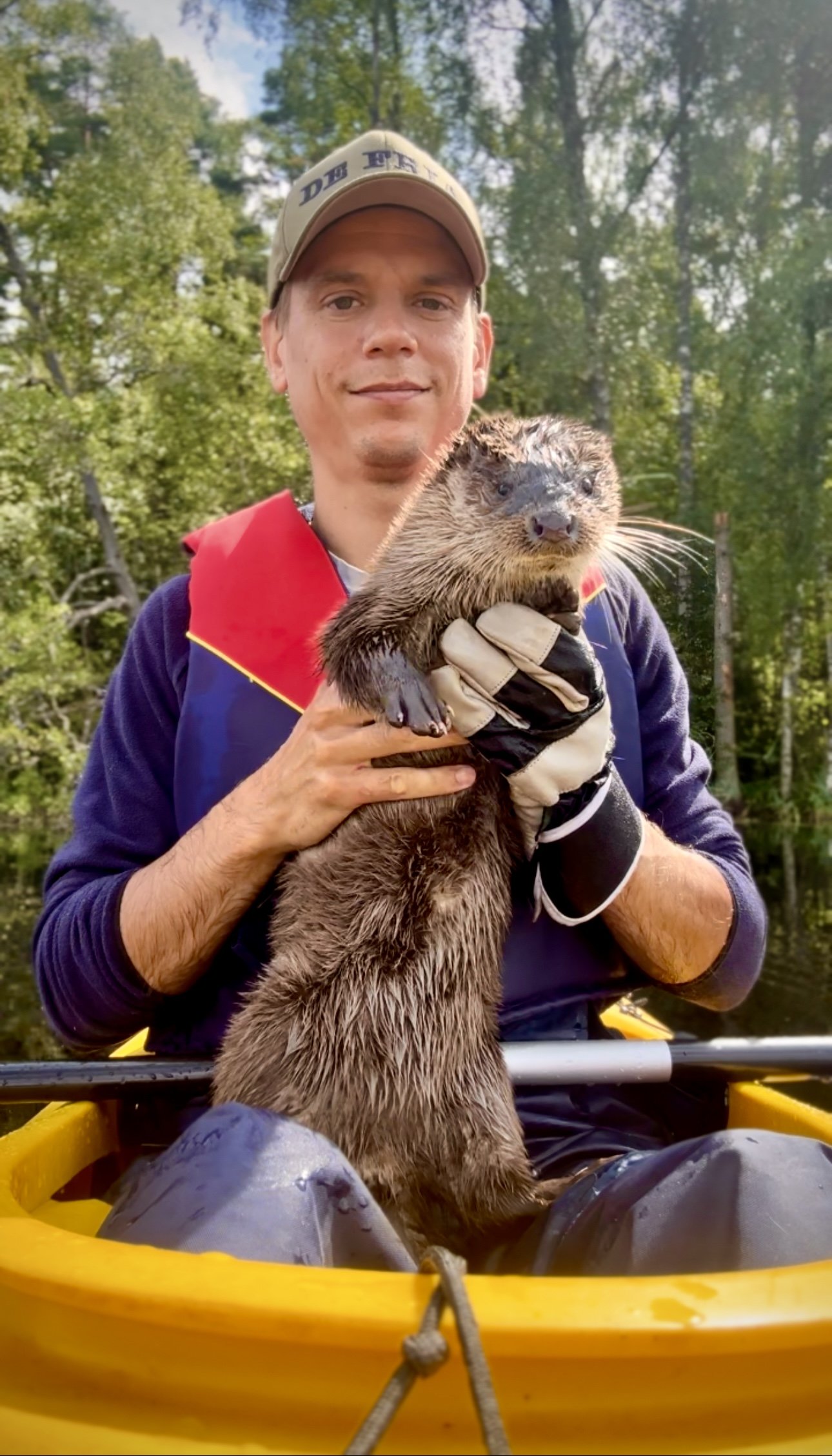
When Mats Janzon found Leya, she was just a tiny baby curled up alone in the grass near his home in Sweden. Janzon was out on a quiet walk in the woods when he heard a soft peeping sound and saw it was a baby otter. He kept his distance for several hours, hoping her mother would return. When no one came, he searched the area and found that her mother had been killed on a major road nearby. Leya appeared to be starving and barely breathing, and he knew she wouldn’t make it without help.
Janzon had volunteered with animal rescues while working as a pilot in Cyprus, but after moving back to Sweden several years ago, he felt a pull to leave his job and spend more time in nature. “This shift led me to focus on helping wildlife,” Janzon tells Upworthy. “I’ve cared for various animals, mostly birds, that seemed to find me. Huginn, a crow I rescued, stayed with me for three years before he was ready to join his own flock in the wild.”
However, Janzon had never raised an otter before and didn’t know what to do. He was scared, as Leya needed care around the clock, but she began to thrive and quickly bonded with him. She would cry when he left the room and curl up in his lap to feel safe.
“The first time she let me pet her, I remember thinking this can’t be real,” Janzon told the TikTok account SoulPaws Tails. “It felt like a dream, this wild, free otter choosing to trust me.”
Still, Janzon kept second-guessing himself, wondering if he was doing the right thing. Otters are wild animals, and he knew Leya couldn’t stay indoors forever. So, starting with a plastic kiddie pool in the backyard, Janzon helped Leya learn to swim. She was awkward in the water at first, but little by little, day by day, she grew more confident.
Two years ago, our sweet otter pup Leya took her very first splash in a cozy baby pool, a moment that still melts our hearts! At just a few weeks old, tiny Leya was all curiosity and wobbly paws as she explored the shallow water filled with colorful floating toys. ?✨ Her first cautious pats at the surface turned into excited splashes as she chased the toys. Watching her dive and twirl, already showing off her natural otter grace, was pure magic. Now, at 2 years old, Leya’s likely out in the wild, thriving and possibly finding a safe territory for her own pups. ? We’re so proud of the strong, playful otter she’s become, and we’ll always cherish those early days of her splashing adventures in that little pool. ? Here’s to Leya, ruling the rivers and raising her own little swimmers! ?? #Throwback#FirstSwim#OtterMemories#WildAndFree#fyp#foryourpage
Leya followed Janzon everywhere. Soon she became part of the family, which included another rescued crow and a cat. The animals would play hide and seek, chasing one another around the bushes. Janzon says it was like something out of a children’s storybook.
Once Leya was totally comfortable in the water, he took her down to the lake. She looked up at Janzon as if to ask, “What now?” He nodded at her, and she jumped into the water. He realized that in some way he’d become a father to her.
“I named Leya while sitting with her on my lap, gazing out over the lake in a near-meditative state,” Janzon tells Upworthy. “I quietly asked her, ‘Who are you? What should I call you?’ The name Leya popped into my mind, and when I said it aloud, she instantly looked up at me. That’s when I knew it was the name meant for her.”
But as Leya grew, so did her wild instincts. She began to wander farther and stay out longer, and Janzon knew it was time to let her go. He describes it as “a strange kind of love—part pride, part heartbreak” but she started living the life she was meant to live.
“Leya is an old soul, brimming with energy and positivity, always finding opportunities in everything,” Janzon says. “Nothing seems impossible for her. She’s been a true inspiration and a dear friend during my transition from a conventional career to a life focused on something greater, not just working to pay bills, but making a difference by helping all living beings in our community.”
At some point, Leya started staying away for days at a time. But even then, when Janzon was out for a morning kayak ride on the lake, he’d see her nose pop out of the water and start moving towards him. Leya knew he was there and would swim up and climb into the kayak for cuddles and a ride.
Mats says Leya is officially living her wild life now.
“I last saw Leya at the end of May,” Janzon tells Upworthy. “Initially, we thought she’d find her own territory before winter, but after several long trips, she chose to stay under the house while the lake was frozen. When spring arrived, she resumed her search, staying away for up to 10 days before returning for brief visits, lasting a few hours to a day. Her last visit was unusually long, over a week. I suspect she may have been pregnant, eating heartily to prepare for a longer stay in a new territory farther away.”
Janzon wants people to know that as much as he loves Leya, she’s not a pet. “When an animal trusts you, it creates a bond deeper than words can explain,” he told SoulPaws Tails. “If you’re thinking of adopting or rescuing an animal, especially a wild one, please do it with your whole heart and full responsibility. Do your homework, talk to professionals, ask questions, learn everything you can about animals like Leya. They aren’t pets. They’re living, feeling souls that deserve to be loved and respected for who they are.”
You can follow Mats Janzon and see more videos of Leya on TikTok.
This article originally appeared last year. It has been updated.
When you see a list of the year’s most popular baby names, what you’re really looking at are the most common baby names in a specific country or culture. If you live in the U.S., you likely know a whole lot of kids named Olivia, Emma, Liam, and Noah, but if you live in Thailand or Kyrgyzstan or Botswana, you probably don’t.
Simply saying common names in different countries can sometimes result in hilarity. A name that sounds beautiful and has a lovely meaning in one language might sound odd and mean something very different in another. For instance, Odd is a common name in Norway, but it sounds…well, odd to and English ear. The former president of Vietnam had the last name Phuc, which surely led to some awkward moments for Americans who had to address “President Phuc.” (The “u” is pronounced more like the “oo” sound, but if you’d never heard it said, you wouldn’t know.)
Chinese language and culture instructor Dr. Candise Lin is sharing American names that sound funny to Mandarin speakers because of what they mean when pronounced with Chinese phonetics, and it’s a hoot.
1. Robin (pronounced Luo ben) = Running Naked
2. Robinson (pronounced Luo ben shen) = God of Running Naked
3. Nelson (pronounced Niao shen) = God of Pee
4. Benson (pronounced Ben shen) = God of Dumb
5. Mason (pronounced Mei shen) = God of Beauty
6. Nicholas (pronounced Ni kou si le) = You Are So Stingy
7. Isabella (pronounced Yi sheng bei la) = The Doctor Got Arrested
8. Dylan (pronounced Di neng) = Low IQ
9. Nancy (pronounced Nan si) = Difficult to Die
10. Robert (pronounced Luo bo) = Carrot
11. Ashley (pronounced Ao si ni) = Wear You Down to Death
12. Logan (pronounced Nao geng) = Brain Stroke
13. Tiffany (pronounced Ti fa ni) = Kick Your Ass
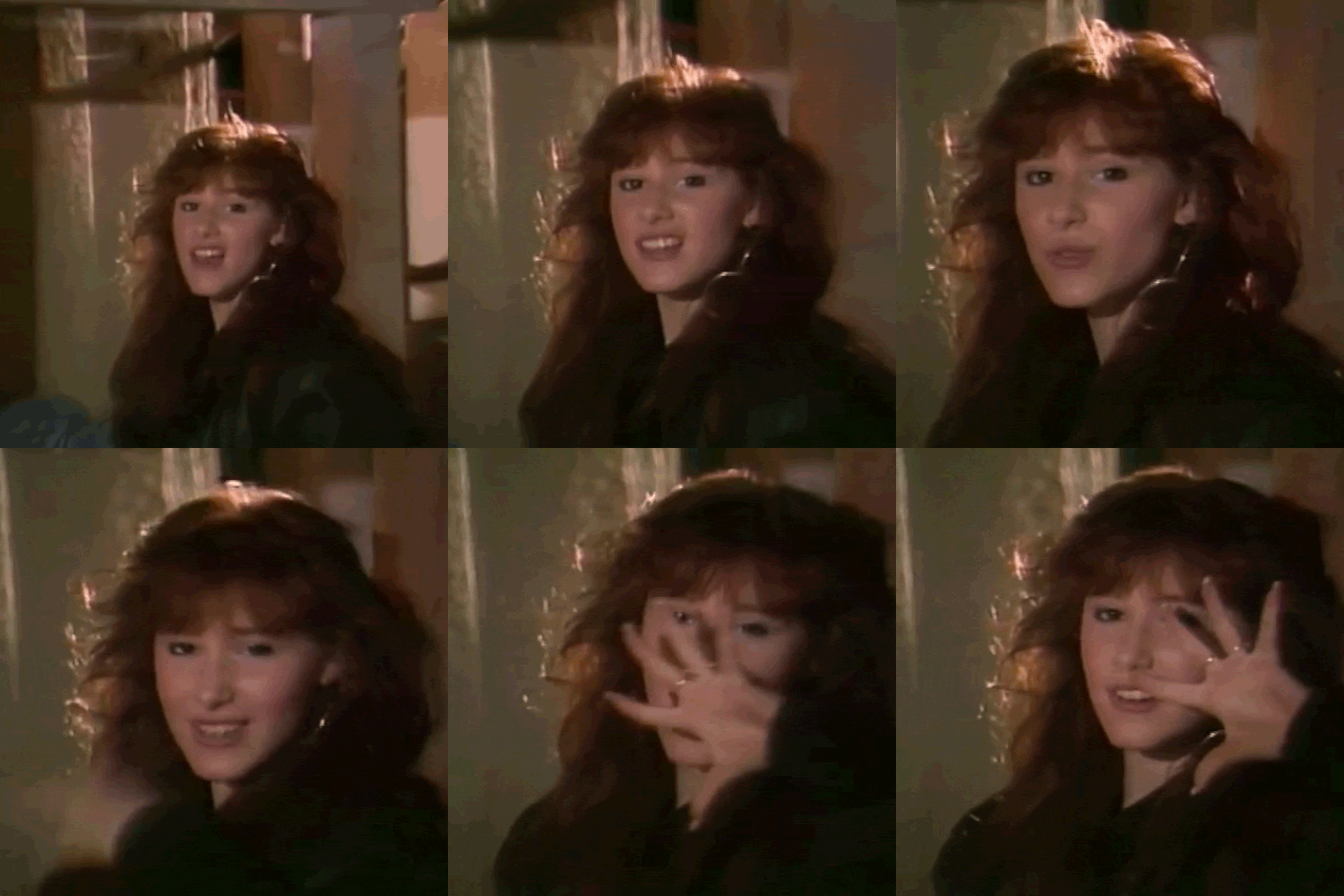
Tiffany Darwish GIF by New Kids On The Block Giphy
14. Martha (pronounced Ma hua) = Fried Dough Twist
15. Jeff (pronounced Jie fu) = Brother-in-law
16. Daniel (pronounced Da niu) = Big Shot
17. Gordon (pronounced Gou dan) = Dog Balls
18. Melanie (pronounce Mei ren li) = Nobody Cares
A few of these names actually seem pretty rockstar in Mandarin. Mason as “God of Beauty’? Nothing wrong with that. Nancy being “Difficult to Die?” Heck yeah. But some are particularly unfortunate. God of Pee? Yeesh. Low IQ? Ouch.
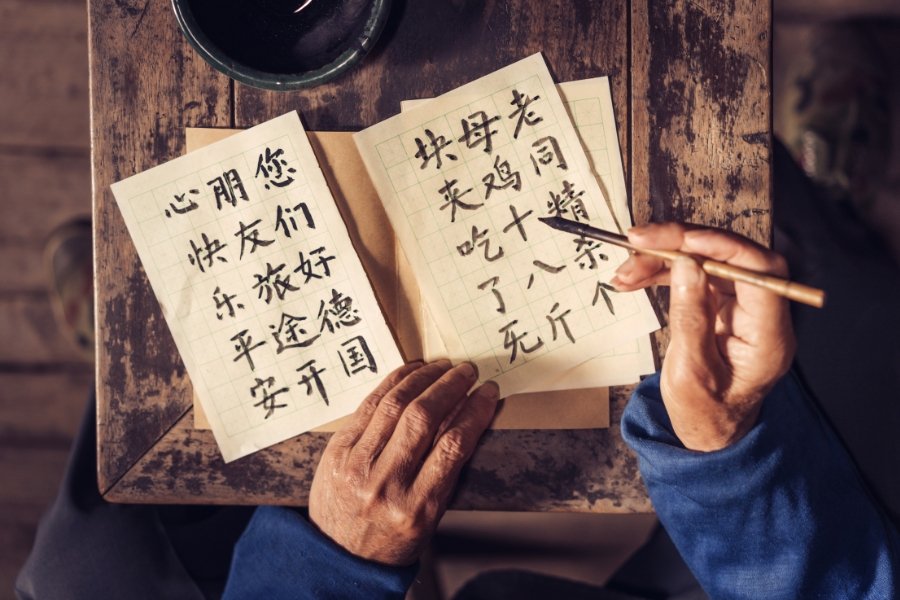
Of course, the names in Chinese are based on transliterations that aren’t exact. English and Mandarin have different sounds, so many of them are just the closest approximations that there are in terms of pronunciation. (But then along comes Tiffany, kicking ass as clear as day.)
Chinese characters aren’t phonetic in the way that English letters are. Photo credit: Canva
Naturally, people who have some beef with people who bear some of these names are having a heyday, with comments like “Ashley actually makes a lot of sense,” or “Not Gordon Ramsay actually being called Dog Ballz Ramsay.” But mostly people are just delighted to see how names they see as totally “normal” mean hilarious things in Chinese.
As one person wrote, “This was awesome and about time! Chinese names get a lot of humor attention in English circles. It’s nice to know English names can also be a bit ridiculous in Chinese.” It’s likely that many of us have never thought about how American names might sound in other countries.
But names not translating well is truly a universal phenomenon, and as long as we’re all laughing about it together, finding the funny when things—even our names—get lost in translation can be a fun way to connect across cultures.
This article originally appeared last year. It has been updated.
It’s hard to say what makes every woman happy or what every woman wants, and as a woman myself, I’m not a fan of sweeping generalizations based on gender. However, there are certain elements of walking through the world as a woman that are fairly universal, which makes me feel confident in saying this:
If you ever want to see pure, spontaneous joy, watch a woman put on a dress and suddenly realize it has pockets!
Women’s clothes are notorious for having either no pockets (most dresses) or pockets that are barely usable (most jeans and dress pants). And this isn’t just a perception—a 2018 study by The Pudding found that, on average, the front pockets on women’s jeans are 48% shorter and 6.5% narrower than they are on men’s jeans. I have pants in my wardrobe that look like they have both front and back pockets, but they don’t; where the pocket opening would be is sewn shut. Faux pockets may sound dumb—because they are—but they’re not uncommon. And some pockets are so small you can’t even fit a ChapStick into them.
To test whether women’s pockets really are as bad as they (we) say they are, popular vlogger Nick Wilkins tried on a pair of women’s jeans. The fit was great and they looked fine. But the moment he held up the items he usually puts in his own pockets, women collectively let out a loud “HA!” Sure enough, when he tried to put his phone and wallet in the pockets, his reaction reflected what women have said countless times ourselves: “Are you serious? That’s all it does?”
As it turns out, the history of women’s clothing and pockets goes way back, and, of course, there have been various trends and shifts over time. Some people have posited that companies don’t put usable pockets into women’s clothing so that they can sell more purses and handbags. However, according to a deep dive in FASHION Magazine, that’s not quite the whole story. Believe it or not, we’re still living with leftover, outdated notions of men being active and women being passive, with men’s clothing needing to be functional and women’s clothing desiring form over function.
“Essentially: Men are required to act and therefore need practical clothing,” writes Annika Lautens. Women are expected to simply appear and be watched—their beauty prioritized above all else. And these outdated gender ideals are still being sewn directly into our clothing.”
The irony, of course, is that women tend to carry more things than men. Sure, sometimes that necessitates a purse, but sometimes you don’t want to carry something extra. Pockets are nice. They’re convenient, helpful, and functional. We want them. We need them. What in the name of patriarchy is the problem here?
It can’t be that hard to make normal pants for women with decent pockets. Jeans with decent pockets. Dress pants with decent pockets. And yes, dresses with pockets, too. We are seeing more independent and female-led clothing makers providing pockets, and clearly the awareness about it is finally kicking in pretty universally. But as most women can attest, it remains an issue.
Maybe women would simply be too powerful if we all had pockets. Maybe this will be our ultimate last stand. Pockets or bust, ladies. Pockets or bust.
This article originally appeared [time-difference] ago. It has been updated.
Generation X occupies an interesting time in history, for those who care to recognize that they actually exist. They were born between 1965 and 1980 and came into this world at an interesting inflection point: women were becoming a larger part of the workplace and divorce was at the highest point in history. This left Gen X to be the least parented generation in recent history.
Gen X was overlooked in their domestic lives and culturally were overshadowed by Baby Boomers with their overpowering nostalgia for Woodstock, The Beatles, and every cultural moment celebrated in Forest Gump. Once Boomer navel-gazing nostalgia began to wane, a much larger and over-parented generation, the Millennials, came on the scene.
“Whereas Boomers were the ‘me generation’ and millennials were the ‘me me me generation,’ Gen X has become the ‘meh’ generation,” Emily Stewart writes at Business Insider. But even if Gen X is a little aloof, that doesn’t mean they aren’t totally rad, awesome, trippindicular, and that it’d be bogus to define them any other way. To explain the unique history of Gen X and why they’re often overlooked, history teacher Lauren Cella created a timeline on TikTok to explain them to her Gen Z students.
A love letter to Gen X from your millennial cousin? Gen X didn’t start the fire, so after this I will just leave them alone because they do not care ? But seriously for a generation that sometimes gets “forgotten” and stuck between the larger boomer or millennial cohorts, the genres they created paved the way for pop culture as we know it. I’m still not sure who let kids watch “The Day After” on TV or play on those hot metal playgrounds, but Gen X survived to tell the tale. Today, the so called “latchkey” kids, born 1965-1980 are actually super involved as parents, aunts, uncles, teachers (or maybe even grandparents)?. Kids today want to say they are “built different” but I think Gen X is the one holding down that title because they grew up tough, they saw too much, they made it out, and they know exactly who they are and wouldn’t have it any other way.✌️ g#genx
In Cella’s video, she divides Gen X into three distinct phases.
Phase 1: 1970s stagflation and changing families
“Gas shortages meant stagflation. So parents either both had to work or maybe they were divorced. So that meant microwave TV dinners and kids that sort of raised themselves,” Cella explains. “There was no parenting blogs, there was no after-school travel sports, emailing. Like, none of that existed. Bored? Go outside.”
Phase 2: The neon ‘80s
“But then came the 1980s, where everything was big and loud. The hair, the bangs, the Reaganomics, mass consumerism (because now we can trade with China). The whole media just exploded,” Cella says. “But now we have TV, we have movies, we have TV, movies, home movies, TV movies, favorite TV movies, music, music, Videos, music, video, television. All these different genres and all these different cliques and all these different ways that you can express yourself.”
Phase 3: 1990s post-Cold War Skepticism
“Gen X sort of comes into the 1990s more sarcastic and skeptical,” Cella continues. “The Cold War ending meant that they rejected the excess of the eighties. And there’s the shift. Grunge, indie, alternative, flannels, Docs [Doc Martins]. At this point, the technology is also exploding, but not like fun home media, but like corporate media. So there’s this resistance to sell-out culture.”
Cella has a theory on why Gen X seems forgotten, and it’s not just because CBS News famously denied its existence. She believes that it comes down to Gen X’s inability to call attention to itself. “So Gen X is a bridge between these two larger, more storied generations. So it’s not necessarily that they get forgotten. They don’t really want the attention. They’re kind of fine to just like, fly under the radar like they always have, because honestly, it’s whatever.”
This article originally appeared last year. It has been updated.
The ‘90s are often depicted as a golden age. A time of less violence, more money, better music, equal rights, unprecedented technological progress, and Beanie Babies instead of Labubus. A time of peace throughout the land.
However, take a quick romp through actual history and we see that when we take the rose-colored glasses off, the ’90s weren’t without its less-that-stellar moments. Furthermore, there was a lot more nuance to it than teens wearing a bunch of flannel and listening to grunge music.
Across severalRedditthreads, people who actually lived through the ’90s have shared some prime examples of how we get the ’90s wrong and elements we have completely forgotten about, from recalling society’s very unhealthy obsession with thinness, to police brutality, to the questionable hunter green/maroon craze (remember that?).
Take a scroll down memory lane with our 15 favorites:
1.”The early 90s and late 90s were two very different times culturally. I can’t stand it when I see a picture of the spice girls with a ‘So 90s!’ caption.”
“There’s a HUGE difference between the early 90’s and late 90’s. After 1996 it was more millennial, Pokémon, Britney Spears vs the early 90’s which was more grunge and smooth RnB.”
2. “Not all Gen Xers were disinterested slackers in the 90s.”
“I graduated from university in 1991. I spent the 1990s trying to get a decent job, pay rent and generally just getting my shit together. Most other people my age seemed to be doing pretty much the same thing, unless they had rich parents.”
3. “Nobody seems to talk about all the maroon and hunter-green wallpaper strips that were added to the top of the walls in houses. Maroon and hunter-green everywhere. From cars to vacuums and beyond.”
“My comforter set for my freshman dorm (Fall 1994) was maroon on one side, hunter green on the other. I realized it was dark and depressing so I got a girlie daisy print bedspread for the rest of college.”
4. “Money was tight then, too. People were happy with fewer luxuries, because we could get by. And the very idea of giving a child a device worth hundreds of dollars was ludicrous! I still feel this way.”
5. “A lot of people talk about the 90s like it was a utopian decade. Sure, a lot of stuff was awesome. But there was also the AIDS epidemic, the crack epidemic, the heroin epidemic, lots of police brutality, the sharp uptick in domestic terrorism, etc. plus the casual sexism, racism, & homophobia. The hope for the future that started in late 1989 with the fall of the Berlin Wall and the heating up of our economy in the mid-90s only lasted until 2000. It was a very brief window, in retrospect.”
6. “Female celebrities were shrinking to child sizes and getting praised for it. ‘Thinspo’ was a thing. ALL my friends group from high school and college, including myself, had eating disorders — Marlboro Light and Diet Coke for every meal. Our idea of sports was extreme cardio only. We were SO unhealthy. Thank God we were young enough to bounce back to normal without major issues.”
7. “That Nirvana ruled the 90s, and killed off all other forms of hard rock. They hit hard for about two and a half years, and then we were stuck with Tonic and the goddamn Spin Doctors.”
“A lot of people mention grunge and gangsta rap, but country was very hot too. Country line dancing became a big thing, Branson, Missouri became a big tourist destination with its theaters, and artists like Garth Brooks and Shania Twain made tons of money.”
“I don’t think the Riot Grrrl movement gets enough recognition and acknowledgment as an extremely significant 90s cultural event.”
8. “I think one idea that’s misrepresented is that we were already online, all the time.”
“I mean, I was STOKED when I got into the dorm with LAN connections in 1993, but I was an outlier. Lots of kids at my college barely understood using computers, much less anything internet-related beyond maybe an AOL/AIM. Obviously this was an evolution of ten very fast moving years.”
9. “That mom Jeans were cool. No one under 35 wore them.”
10. “Not everyone wore Doc Martens back in the 1990s. Many people wore military boots as a fashion statement that were often mistaken for Doc Martens, while others wore sneakers every day, even in venues where they should have been wearing more formal shoes.”
11. “Cellphones were considered tacky and unnecessary unless you were a doctor.”
12 .”Not everyone got around on rollerblades.”
13. “Property was cheaper, not cheap as in affordable to all.”
14. “If your family lived in a rural area and wasn’t rich enough to immediately buy a computer, you could be lonely in a way that people can’t even comprehend now. I spent the last two years of high school doing nothing, watching TV and playing 16-bit RPGs repeatedly because I couldn’t get anywhere or do anything.”
15. “Drunk driving didn’t have the stigma it does today. It took a long campaign waged by MADD (Mothers Against Drunk Driving) to shift public perception on how dangerous drunk driving is.”
This article originally appeared last year. It has been updated.
There are only a few things in this life we can’t evade. One of them is aging. Sure, there’s Botox and facelifts and all that jazz to help us look younger. But in the end, our cells simply insist on keeping score, and no matter how hard some might fight it, our DNA is bombarded…
There are only a few things in this life we can’t evade. One of them is aging. Sure, there’s Botox and facelifts and all that jazz to help us look younger. But in the end, our cells simply insist on keeping score, and no matter how hard some might fight it, our DNA is bombarded with hits that will eventually take us down.
The good news is that with years often comes wisdom. I like to think of our minds as though they were hiking trails. Each trail has a sign, but instead of telling us which way to go, the signs remind us who we are. This past week, I was honored to read some of those signs at the senior home where my mom resides. Nearly every conversation, at least for me, yielded little sage sachets of advice that are truly invaluable.
Know someone before you marry them.
A woman in her early 80s shared that it takes about a year for someone’s “true nature” to be revealed, even in the most intimate of relationships. (This, at least according to a professor she had in graduate school.) In other words, she says, “A person can hide their psychological pathologies, on average, for about a year.”
So, she wishes younger people would wait at least that long before moving in or getting married. “Slow down,” she said. “Really take your time before you take the leap. Everyone puts their best foot forward at first and then sometimes that mask can slip. Don’t get stuck.”
Some research shows that the “honeymoon phase” can, of course, vary in length. Brides.com shares, “The honeymoon phase is an early part of a couple’s relationship where everything seems carefree and happy. It usually lasts from six months to two years and can be marked with lots of laughs, intimacy, and fun dates.”
No matter how long that phase lasts, her advice to slow down and really get to know someone before fully committing seems like (mostly) a good idea.
I met a woman who was a retired OBGYN. We talked at length about perimenopause, hormones, and life after 50. She urges, “Do the research, but also (for the most part) listen to your doctors. Most of them know what they’re doing.”
We both kind of laughed, and then she leaned in and said, “No. Really.” She added, “Nothing wrong with getting a second, or even third opinion. But listen and read all you can before it’s too late.”
One thing my mom rather casually mentioned really stuck with me. This was how difficult it is to make new friends—and not for reasons one might think. Sure, senior living facilities can be just as cliquey as groups were in middle school. But for my mother, it was less about fitting in and more about fearing she would lose people as she grew to love them.
“No one warns you how many of your new friends will pass on. When I first moved here, I befriended a brilliantly funny woman and within six months she was gone. This happens more and more and you never get used to it. You’re never prepared.”
If you don’t want to eat dinner at 4:30, you don’t have to.
On a simpler note, this one might be obvious to some, but it was certainly a common topic among the people with whom I spoke. Even though they serve dinner at 5:00 in many senior homes, it doesn’t mean you can’t put it in Tupperware and save it for later. To that point, just because people age, doesn’t mean they have to go to bed at 8:00 p.m. (Though for many, that timeline is just perfect.)
One man noted, “Just because we all live in one place doesn’t mean we all become one person. We’ve got night owls and early birds and every other kind of bird you could imagine. Eat and sleep when you want to. It’s still your life.”
His friend added, “If you want to play Mahjong at midnight, do it!”
This article originally appeared last year. It has been updated.
Living a frugal life is all about saving money. Frugal people pay attention to how much they spend on pretty much everything they buy. But even penny pinchers know that for quality, life-improving items, certain things are worth splurging on. On a Reddit thread of frugal people, member WildRootKitchen posed the following question to fellow…
Living a frugal life is all about saving money. Frugal people pay attention to how much they spend on pretty much everything they buy. But even penny pinchers know that for quality, life-improving items, certain things are worth splurging on.
On a Reddit thread of frugal people, member WildRootKitchen posed the following question to fellow frugal shoppers: “What’s one thing you splurge on that’s worth every penny?”
Frugal people spilled on the things they don’t mind dropping money on. These are 35 splurges frugal people say are worth “every penny.”
“For me, it’s a solid pair of boots and a good mattress. If my feet and back are shot, the whole day’s downhill from there. I’ll eat leftovers and skip takeout all week if it means I’m sleeping right and walking easy. Also decent coffee and laundry service are creeping up the list too.” —WildRootKitchen
“Air conditioning. I make money so I can be comfortable, not be uncomfortable so I can save money.” —strwbrymocha
“AC/Heat, always. I’ll never bat an eye at a higher utility bill so long as my sleep goes uninterrupted.” —MediumBullfrog8688
“A house cleaner. Maybe that doesn’t sound frugal, but for the mental health benefits I get from knowing every two weeks I will come home to a spotless house, it’s something I will continue to prioritize over many other expenses.” —mzmonarda
“Gym membership, mattress and pillow, running shoes, quality ingredients from supermarket.” —LoudSilence16
“I have a method for splurges on unfamiliar items. I’ll buy a tool from harbor freight or a cheap version of something I’m interested in to see if I actually need the item or if I’m interested in it. If I use it a bunch and it breaks, then I splurge on a high quality version. If it just sits somewhere either because I didn’t need it as much as I thought or I wasn’t as interested as I thought, then I’m only out a few bucks. Example: I really enjoy cooking, I wanted to learn how to make sausage. I bought a cheap sausage stuffer on amazon for like $30. I used the hell out of it and it broke broke a couple years later. I did some research and bought a LEM 5lbs sausage stuffer that was like $120 and now I have a high quality piece of equipment that works WAY better than my POS amazon stuffer and it will likely outlive my great grandchildren. Also, name brand hardware like faucets. Learned my lesson from buying cheap faucets. Now I’ll just buy Moen.” —40ozT0Freedom
“I live in rural South Carolina. It’s worth it to me to pay for quarterly pest control service from a professional. There are a lot of insects, rodents, reptiles, etc.” —snarkker
“Vacations.” —Proud_Trainer_1234
“An ergonomic desk chair. Back pain is no joke. I only wish I had done it much sooner. Not 20 years into my desk job. At least I should have another 20 years with a good chair and no back pain. I spent $700 on my chair and it was worth every penny. The frugal me shopped around but this was the cheapest one I could find new, some outlets were selling the exact same chair for over $800. 10 year warranty on the chair was a nice bonus too. My husband found the exact same chair secondhand for $100 so now we match. His doesn’t have a 10 year warranty but that’s OK for $100.” —Bunnyeatsdesign
“Buy a second pair of good boots and rotate them. Letting the leather air out a day before wearing the shoes again really help extend their life. I have two cats. I feed them the best grain-free food they will eat. Not only does this extend their life span, the daily litter box collections are much smaller than if they get grain.” —Childless_Catlady42
“I tend to indulge myself when it comes to exercise stuff. The gym classes that I’ll actually go to, the races, the equipment, the good clothes & shoes. I know that everyone talks about a good mattress for their back, but for me, no mattress is as effective as yoga and weight lifting. As long as I keep my core strong, I don’t have back spasms. And running has been amazing for my mental health along with physical, and helped me make some amazing friends. Totally worth every penny.” —kaizenkitten
“I dedicate a decent portion of my budget to ‘self care’. Think massages, pedicures, manicures. It’s the one thing I forward to it every month, as it’s some of the only downtime I have right now.” —YesChef__
“Professional Movers. Stop asking your friends ( especially over 30) to help you move! It’s not worth a six pack of beer and some pizza.” —1tiredmommy
“Business class/first class — never once have I regretted it. We live reasonably the rest of the time, but when it comes time to travel, this is an indulgence that we grant ourselves.” —Weekly_Leg_2457
“Just here in case nobody said tattoos yet. Good work ain’t cheap & cheap work ain’t good.” —Clear_Beat5117
“Reverse osmosis filter. Makes tap water taste good again.” —wonminus1
“Ethical meat. I feel better about eating it, I’m supporting local farmers, and the taste and quality blows supermarket meat out of the water. At this point, I am perfectly happy only eating meat a few times a week (my husband and I are both former vegetarians) and making sure that when we do eat it, it comes from animals who only had one bad day. (This goes for eggs, too – pasture raised/certified humane whenever it’s available. We don’t eat much dairy for health and animal welfare reasons.)” —dzwonzie
“I’m frugal to the max most of the time, but come spring I spend money on flowers, shrubs, things for gardening. That’s my guilty pleasure. I listen to audiobooks from my library. I haven’t watched tv in years because trying to get local channels is impossible. So no streaming service, no cable, but I’m content. I can splurge without feeling guilty like I’ve saved up for it.” —Garden_Lady2
“Furniture. Well made, excellent cushions, materials…both indoor and out.” —ildadof3
“Ice cream.” —Clutcha15
This article originally appeared last year. It has been updated.