upworthy
Add Upworthy to your Google News feed.
Google News Button
Science

14 of the funniest photos from the 2023 Comedy Wildlife Photography Awards

Funny kangaroos, monkeys and more!

comedy wildlife photography awards, funny pet photos, nature photography
© Jason Moore/Comedy Wildlife Photography Awards 2023 and © Tzahi Finkelstein /Comedy Wildlife Photography Awards 2023

The 2023 Comedy Wildlife Photography Awards.

The Comedy Wildlife Photography Awards, known for being one of the most entertaining photography contests, has just wrapped up, and this year’s top prize goes to Jason Moore for his hilarious and brilliantly captured photo of a kangaroo, cheekily named “Air Guitar Roo.” Not only did this fantastic shot win the overall competition, but it also rocked the Creatures of the Land category, too.

Jason's photo stood out among a whopping 5,300 entries submitted by 1,842 photographers from 85 countries. Moore’s photo of the female western grey kangaroo was taken in the outer suburbs of Perth, Australia when Jason visited a field of wildflowers to snap some pics of the many adult kangaroos and joeys playing there.

“The shoot turned out to be a great session, and I am quite fond of several images that I captured,” Moore said in a statement. “Not many people know that kangaroos are normally fairly docile and even a bit boring most of the time if I’m honest. However, when I saw this roo striking the air guitar pose, it immediately brought a smile to my face, and I knew that I had captured something really special."

The Comedy Wildlife Photography Awards was started in 2015 by Paul Joynson-Hicks MBE and Tom Sullam to create a competition focused on the lighter, humorous side of wildlife photography while assuming an essential role in promoting wildlife conservation.

Here are 14 of the big winners.

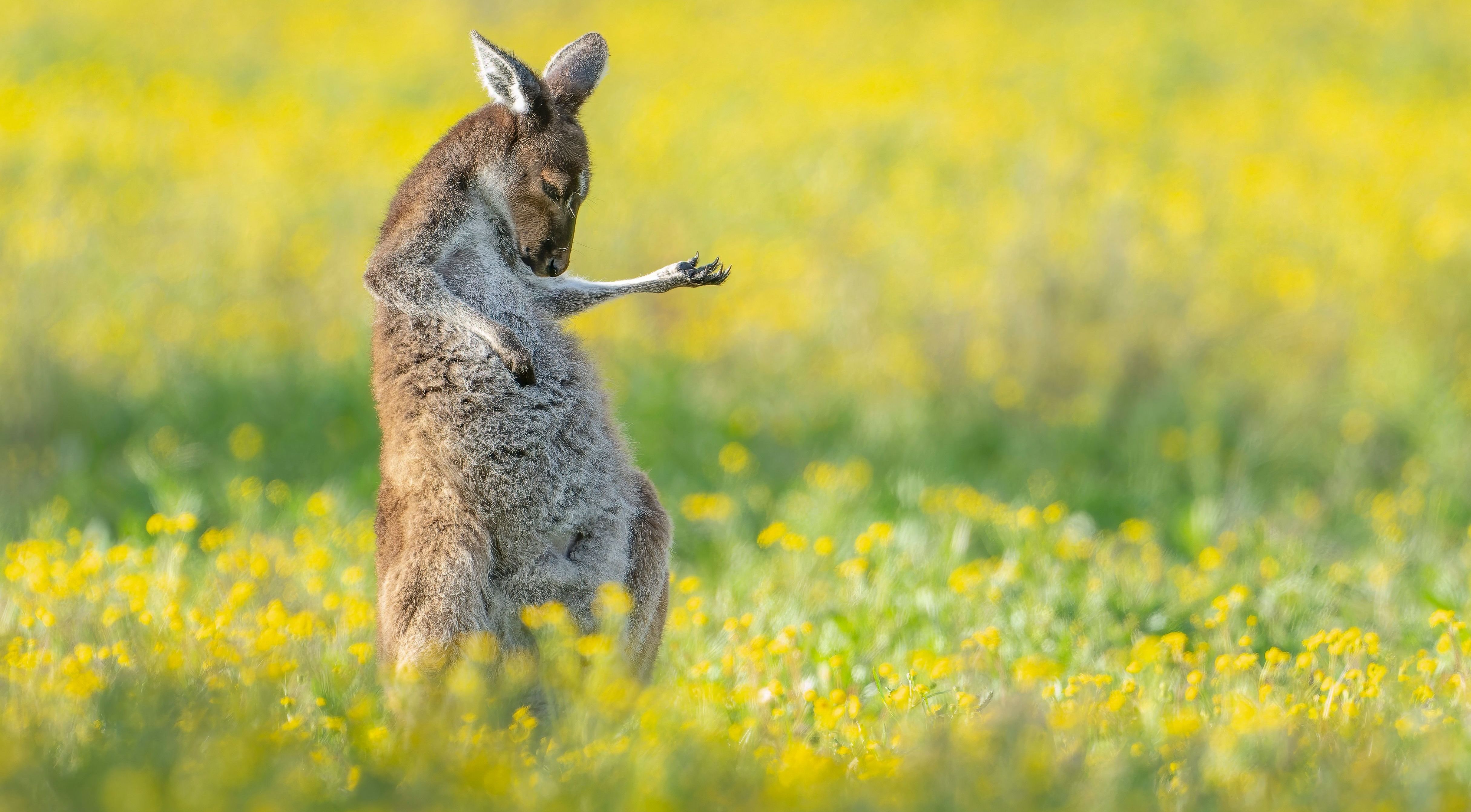
1. Overall Winner: "Air-Guitar Roo" (grey kangaroo) by Jason Moore, Australia
comedy wildlife photography awards, funny pet photos, nature photography

A kangaroo rocking out.

© Jason Moore/Comedy Wildlife Photography Awards 2023

"On this day, I had been out with my camera photographing some waterfowl at a nearby lake. I had been up at sunrise to take advantage of the 'golden hour' light, but it turned out to be a disappointing morning on the water. After leaving the lake, somewhat dejected, I decided to swing past an area of open bushland, because there are often a 'mob' of Kangaroos feeding and sunning themselves in a field close to the road. ... The morning light was still favorable so I grabbed my camera and headed off to a spot where I could get down to eye level with my subjects. I ended up shooting about 40 or 50 frames of the kangaroos with various content including mum’s, joeys and also some action shots of them bouncing along through the yellow field. The shoot turned out to be a great session, and I am quite fond of several images that I captured. However, when I saw this animal strike this pose it immediately brought a smile to my face and I knew that I had captured something special." — Jason Moore

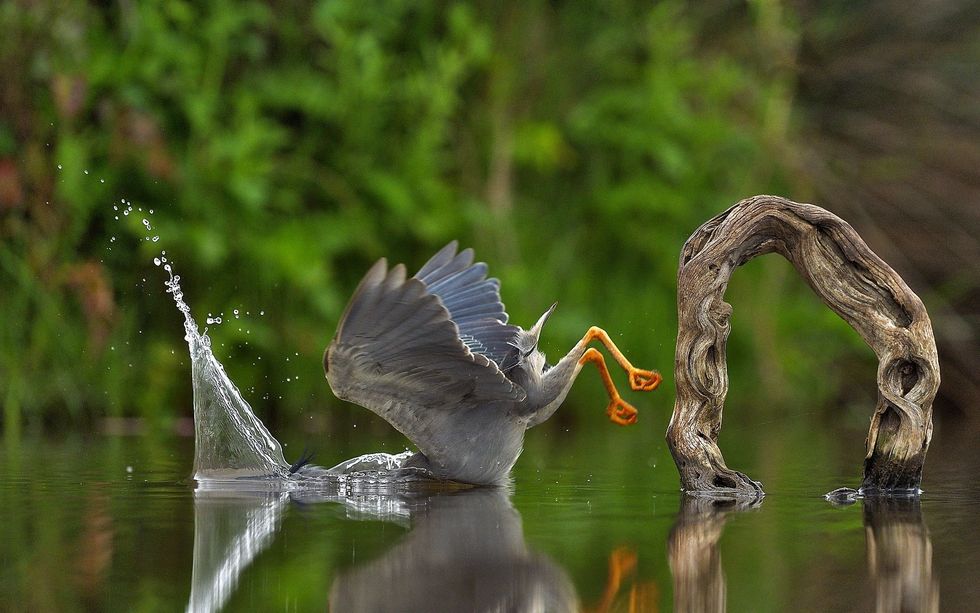
2. Creatures of the Air Award: "Unexpected Plunge" (heron) Vittorio Ricci, South Africa
comedy wildlife photography awards, funny pet photos, nature photography

A heron takes a dive.

© Vittorio Ricci/Comedy Wildlife Photography Awards 2023

"An unusual end of a perfect moment." — Vittorio Ricci

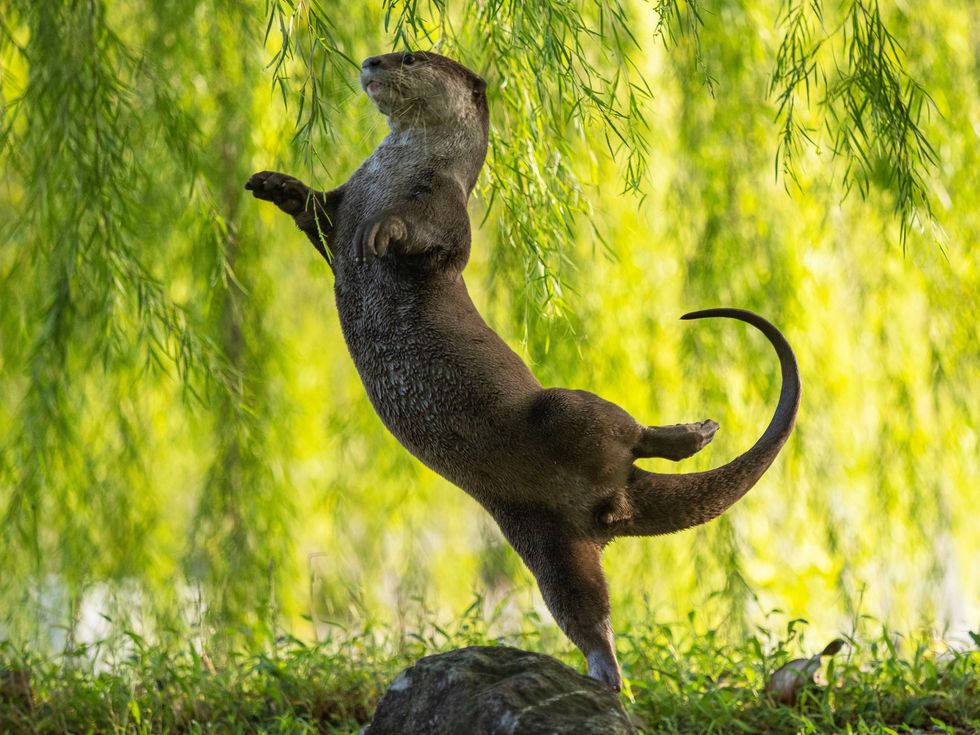
3. Creatures Under the Water Award: "Otter Ballerina" (smooth-coated otter), Otter Kwek, Singapore
comedy wildlife photography awards, funny pet photos, nature photography

An otter with perfect form.

© Otter Kwek/Comedy Wildlife Photography Awards 2023

"The otter was leaping while attempting to grasp the overhanging leaves, and during an unusual landing, it ended up in the Arabesque pose. I showed this photo to a ballet teacher, and she commented that the otter is a natural but just needs to tuck in its tummy a bit — precisely what a ballet teacher would advise." — Otter Kwek

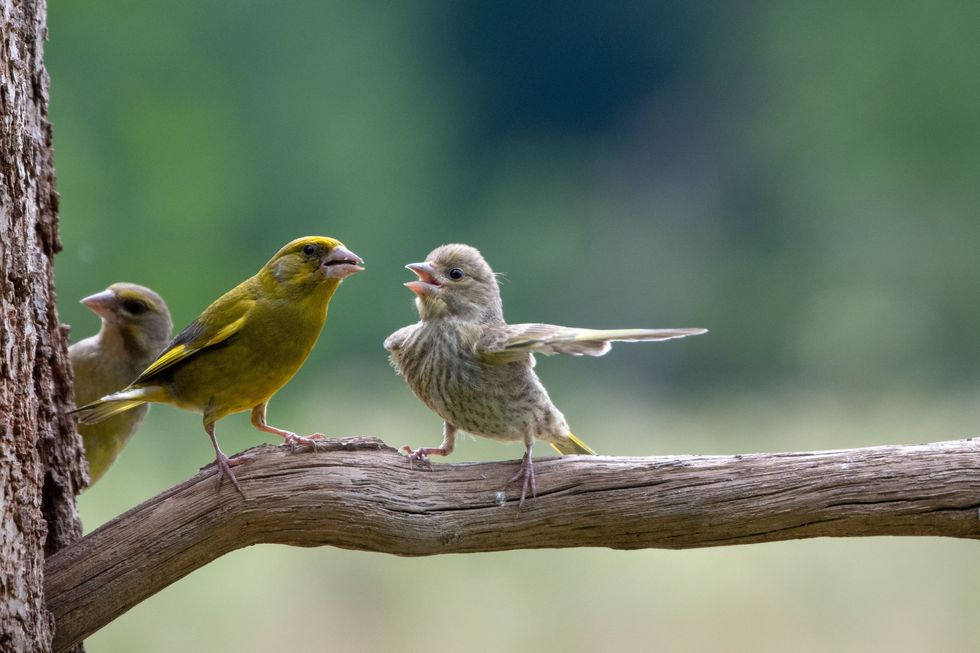
4. People's Choice Award: "Dispute" (greenfinch), Jacek Stankiewicz, Poland
comedy wildlife photography awards, funny pet photos, nature photography

This greenfinch is very adamant about something.

© Jacek Stankiewicz/Comedy Wildlife Photography Awards 2023

"I caught this scene while watching birds in the Bialowieza Forest. My friends interpret this scene in two ways. One, a young naughty kid is arguing with a parent. Two, a kid is reporting to the parent that their brother did something wrong: 'Look he broke a window!'" — Jacek Stankiewicz

Highly Commended Winners

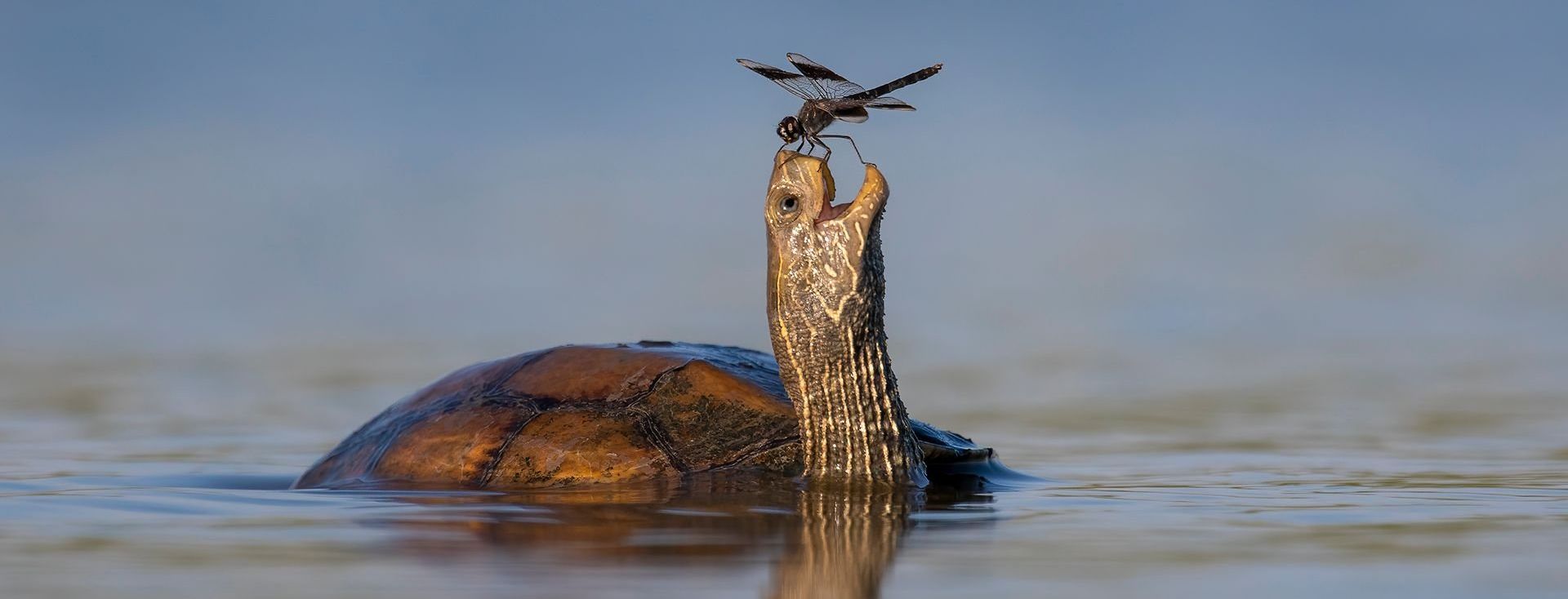
5. "The Happy Turtle" (swamp turtle), Tzahi Finkelstein, Antarctica
comedy wildlife photography awards, funny pet photos, nature photography

A turtle is about to have a meal.

© Tzahi Finkelstein /Comedy Wildlife Photography Awards 2023

"The swamp turtle is surprised and smiles at the dragonfly resting on its nose." — Tzahi Finkelstein

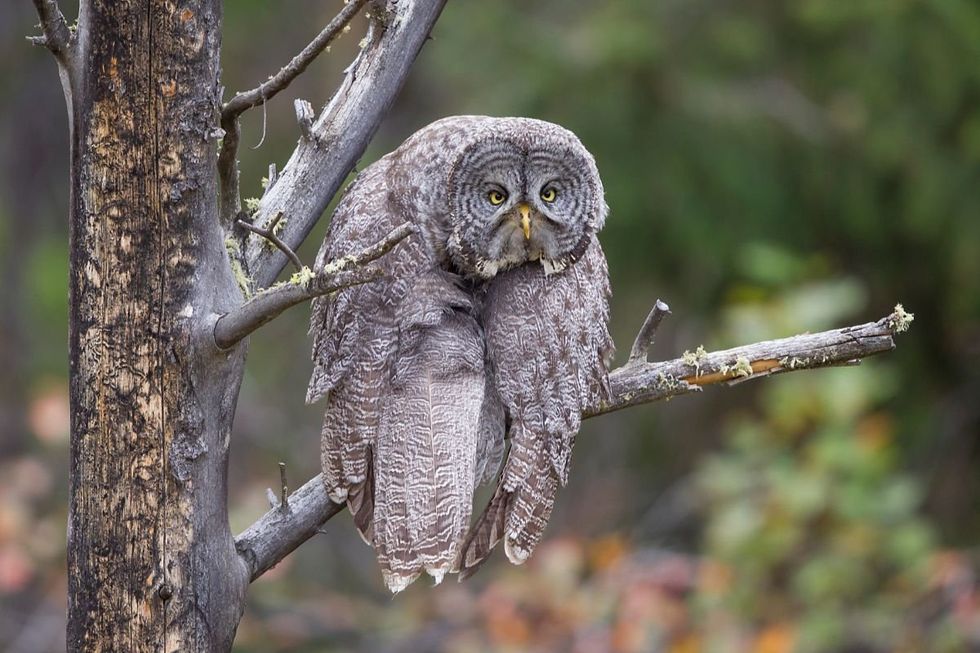
6. "The Monday Blahs" (great grey owl) John Blumenkamp, USA
comedy wildlife photography awards, funny pet photos, nature photography

This owl is so over it.

© John Blumenkamp /Comedy Wildlife Photography Awards 2023

"While photographing the great gray owl shown in my image, I had been busy working to capture that majestic-looking pose. As the owl preened and then sat still for a short while, it stretched once more and for a quick moment gave the pose shown. As it did, I grinned and thought… now that’s funny!" — John Blumenkamp

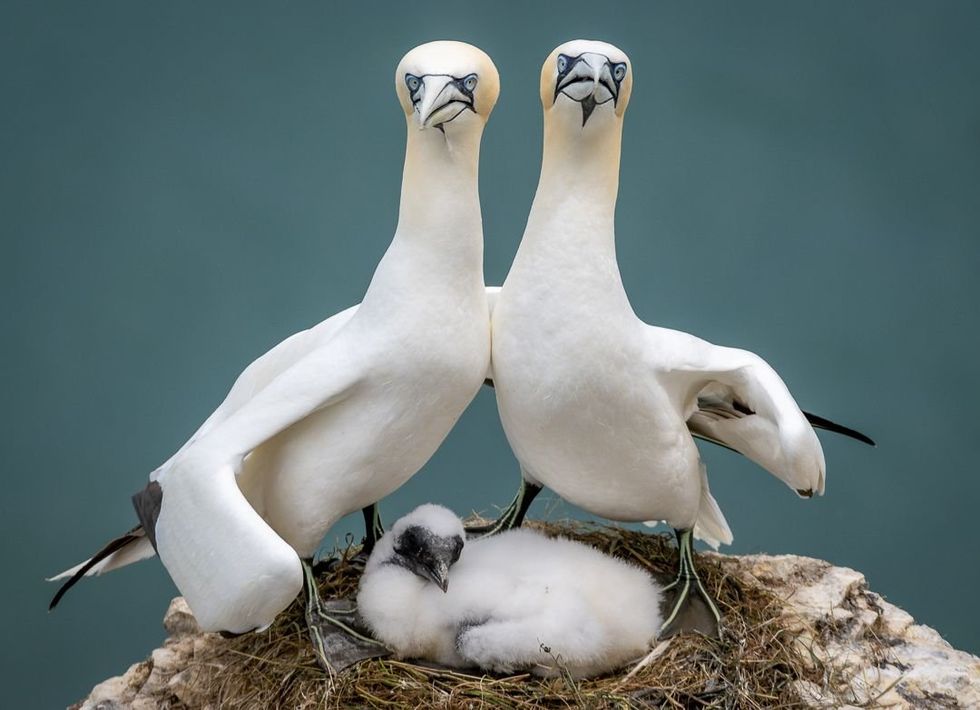
7. "One for the Family Album" (gannets) Zoe Ashdown, UK
comedy wildlife photography awards, funny pet photos, nature photography

A proud family of gannets.

© Zoe Ashdown /Comedy Wildlife Photography Awards 2023

"At RSPB Bempton Cliffs, each year between March and October, around half a million seabirds use the chalk cliffs towering above the North Sea to nest and raise a family. Gannets mate for life and they return to the same nest year after year to raise their young. Lying safely at the top of the cliff face, I was able to observe the affection shown between the gannets each time one returned to the nest. They have a greeting ritual, they rub beaks and entwine their necks; it’s how they strengthen their bond. But it’s also a brilliant opportunity to catch them in various poses. I didn’t realize I’d taken this image until I got home, but as soon as I saw it I laughed out loud! They look like proud parents, posing with their baby." — Zoe Ashdown

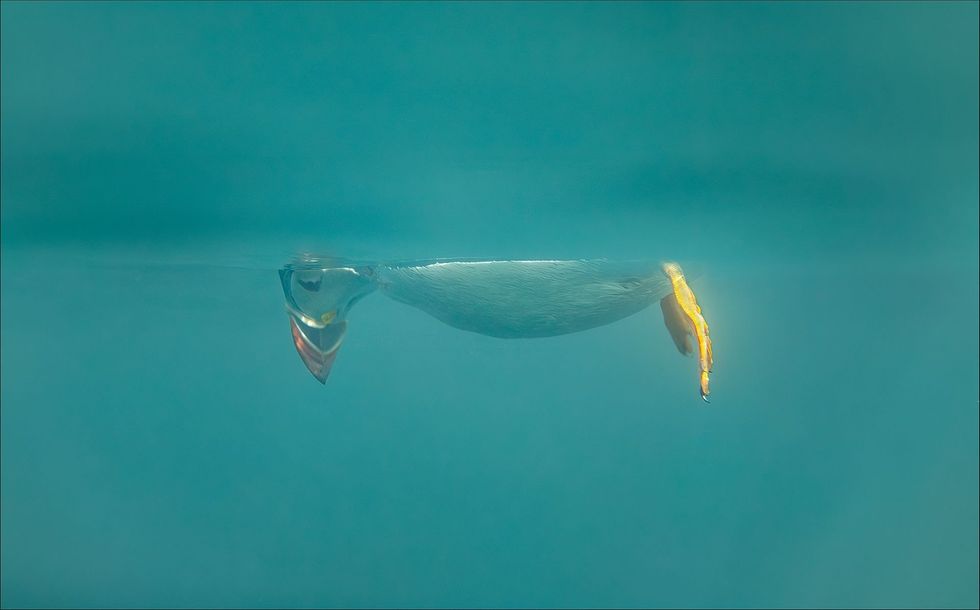
8. "Don't Look Down" (Atlantic puffin), Brian Matthews, UK
comedy wildlife photography awards, funny pet photos, nature photography

A puffin doing the upside-down Snoopy routine.

© Brain Mattews /Comedy Wildlife Photography Awards 2023

"A puffin does an inverted snoopy impression while watching jelly fish." — Brian Matthews.

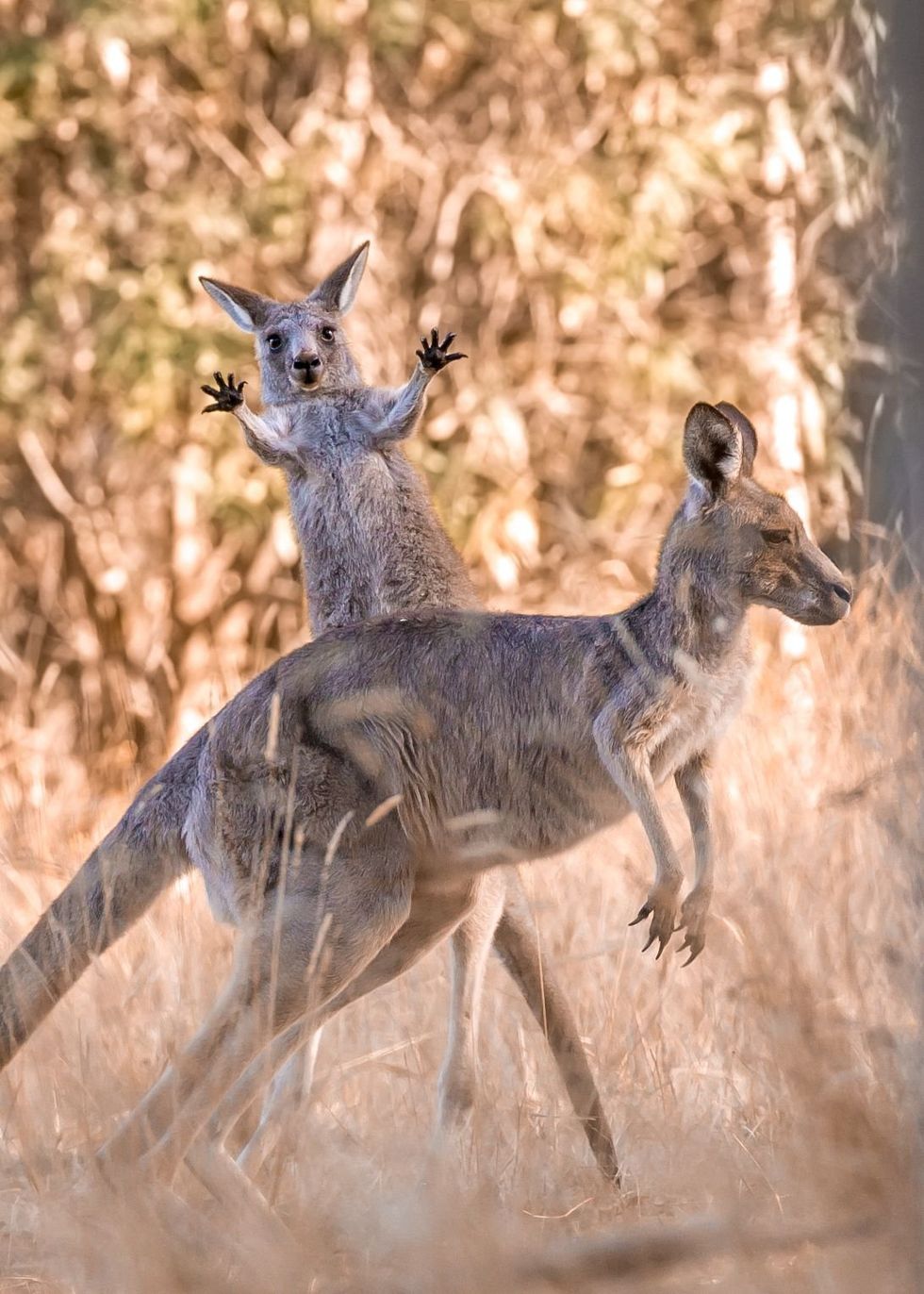
9. "Boing" (grey kangaroo) Lara Mathews, Australia
comedy wildlife photography awards, funny pet photos, nature photography

Silly little joey!

© Lara Matews/Comedy Wildlife Photography Awards 2023

"Taken at Westerfolds Park, a beautiful and surprisingly wild pocket of land in the eastern suburbs of Melbourne, famous for its kangaroo population. The mob was enjoying some morning sunshine when this joey decided to get silly and try his hand at boxing." — Lara Mathews

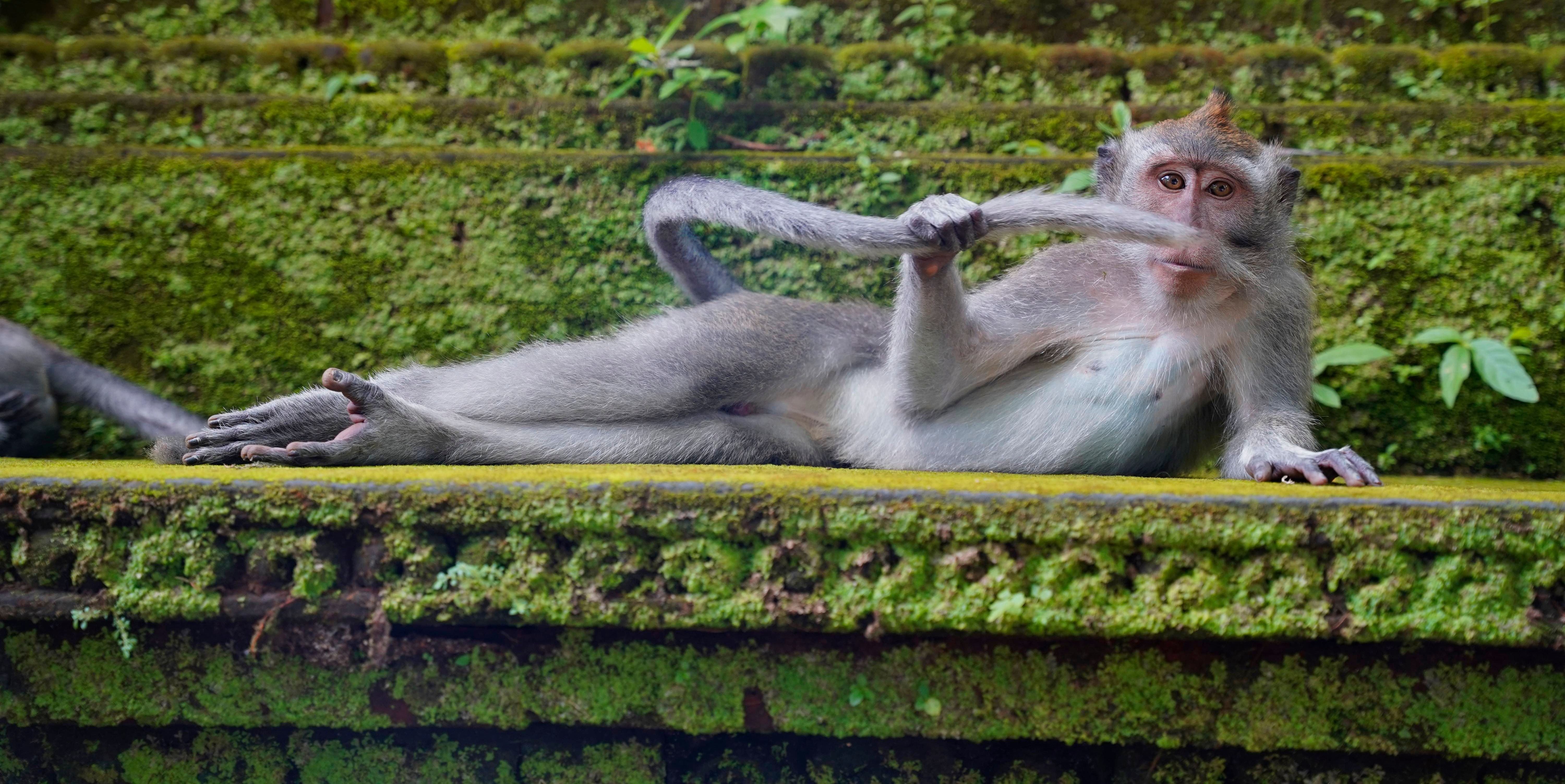
10. "The Rainforest Dandy" (monkey) Delphine Casimir, Bali
comedy wildlife photography awards, funny pet photos, nature photography

A sophisticated monkey.

© Delphine Casimir/Comedy Wildlife Photography Awards 2023

"This picture was taken in the monkey forest in Ubud, Bali, a crazy place where monkeys are king! This forest is special even magical and sacred to the Balinese people. Maybe our dandy is the reincarnation of a divinity?" — Delphine Casimir

11. "Look Right, Bro" (macaque, deer) Pratick Mondal, India
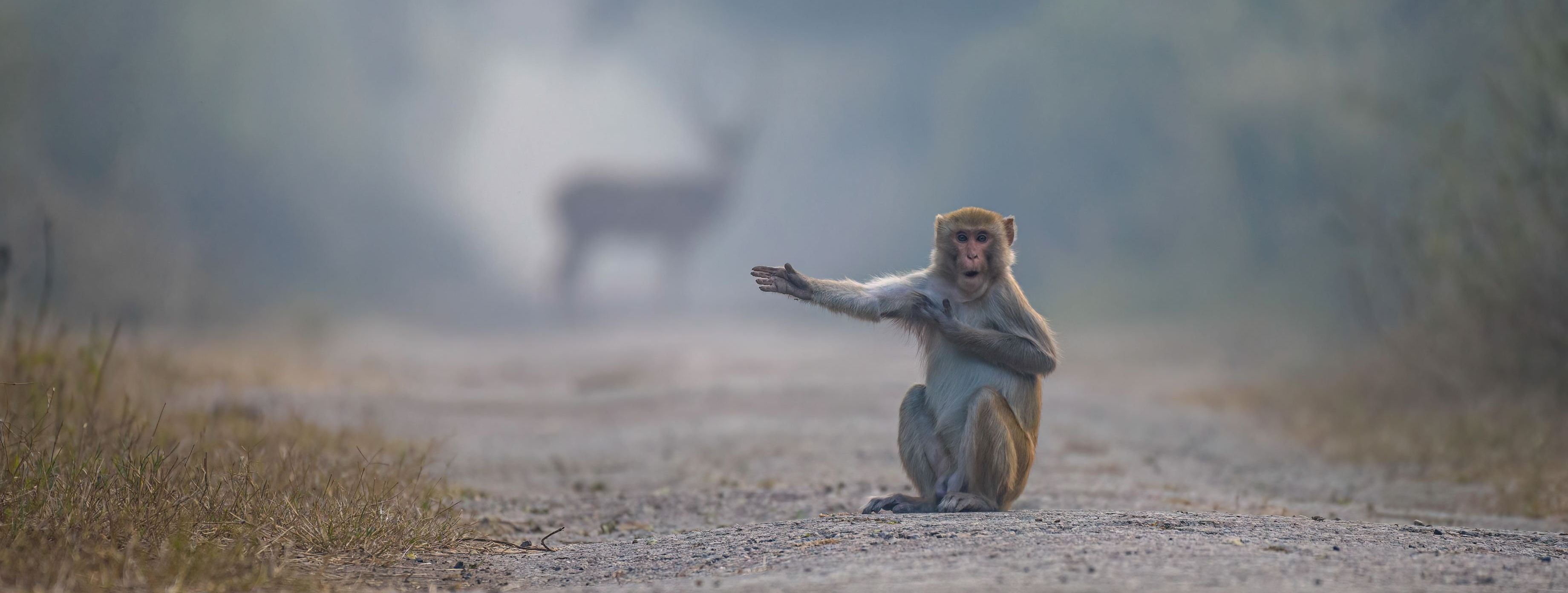
comedy wildlife photography awards, funny pet photos, nature photography

"And on my right, is a deer."

© Pratik Mondal/Comedy Wildlife Photography Awards 2023

12. "That Wasn't Here Yesterday" (white-winged dove) Wendy Kaveney, USA
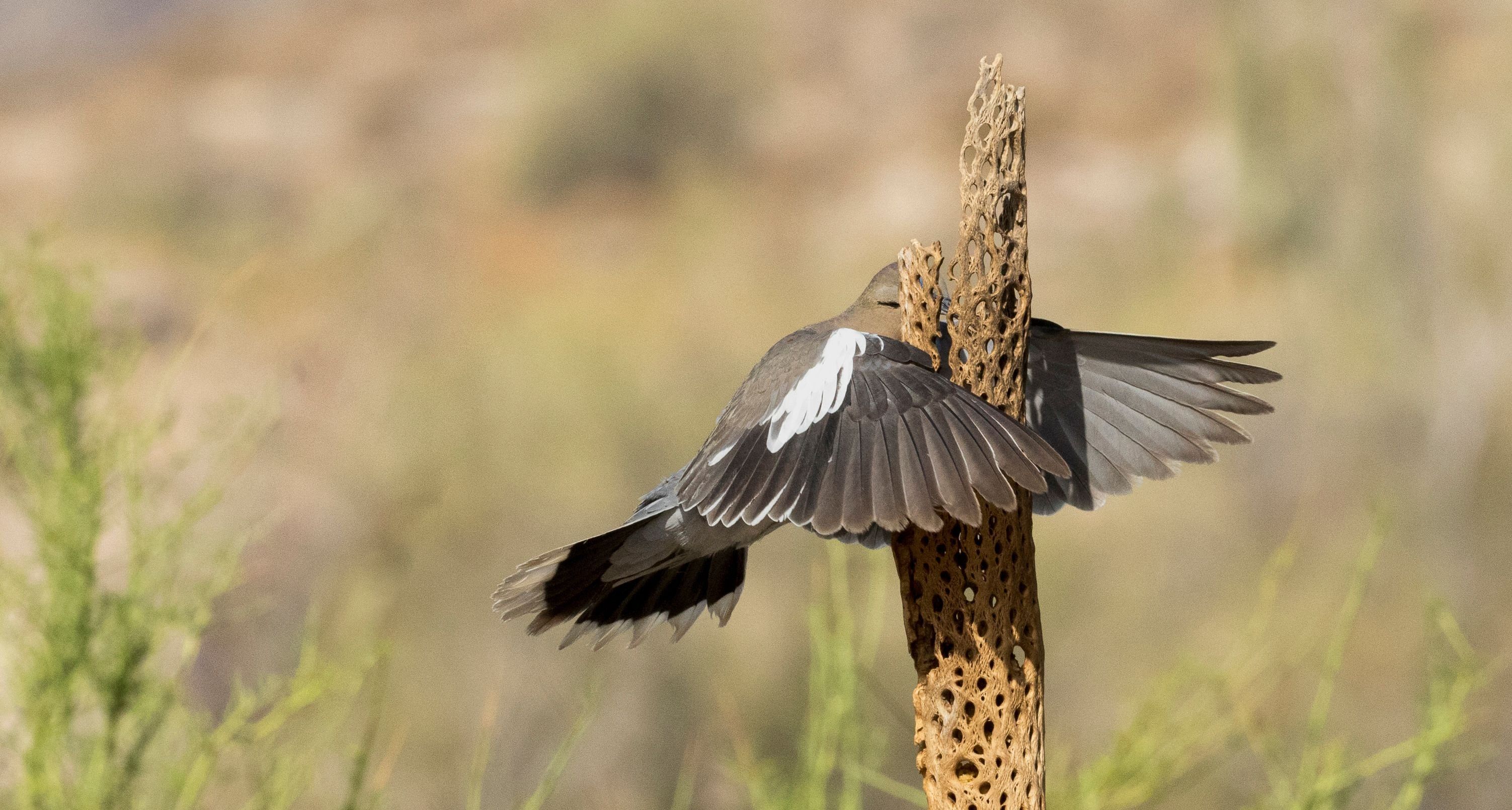
comedy wildlife photography awards, funny pet photos, nature photography

A white-winged dove disrupted mid-flight.

© Wendy Kaveney/Comedy Wildlife Photography Awards 2023

"A white-winged dove appearing to fly head-on into a cholla cactus skeleton." — Whitney Kaveney

13. "Snowball" (white grouse) Jaques Poulard, Norway
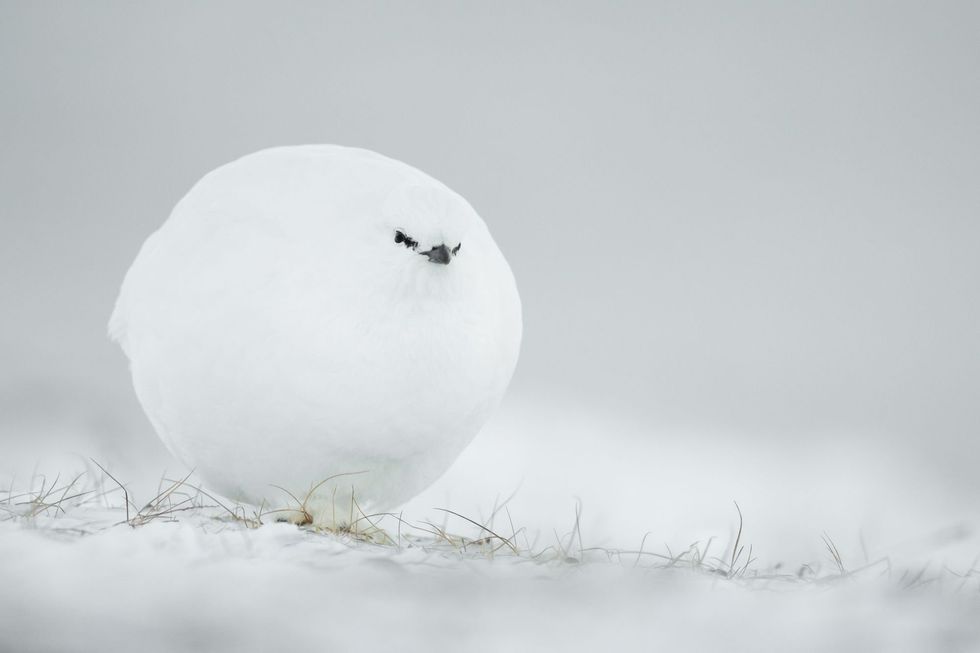
comedy wildlife photography awards, funny pet photos, nature photography

Why is that snowball alive?

© Jaques Poulard/Comedy Wildlife Photography Awards 2023

"The white grouse is coming towards me and looks like a snowball with eyes." — Jaques Poulard

14. "Excuse Me Sir But I Think You're a Bit Too Young to Be Smoking" (grey fox) Dakota Vaccaro, USA
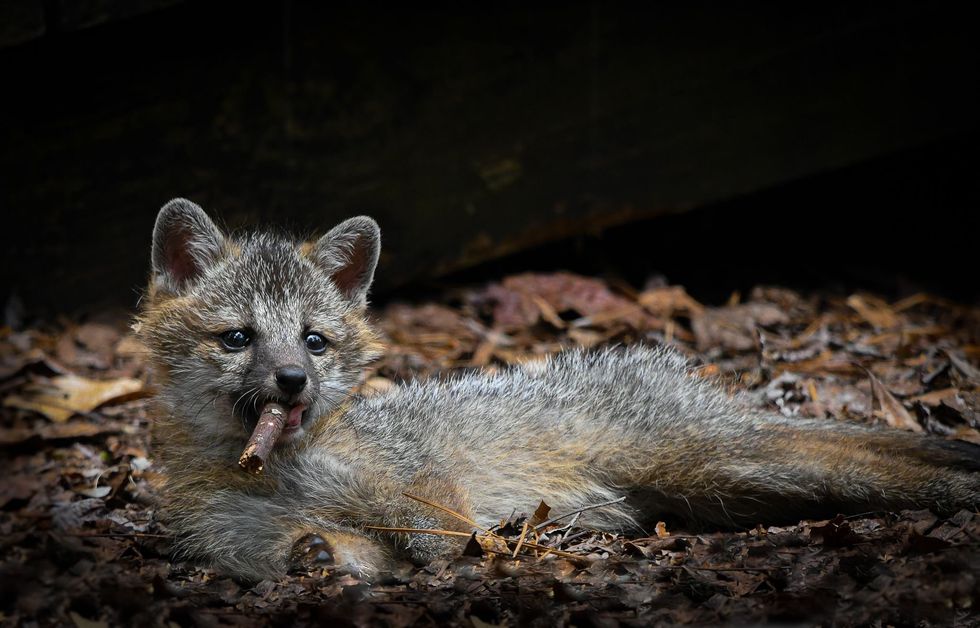
comedy wildlife photography awards, funny pet photos, nature photography

A grey fox that looks like it's enjoying a fine cigar.

© Dakota Vaccaro/Comedy Wildlife Photography Awards 2023

"While I was working deep in the Virginian woods, a family of grey foxes took up residence under the deck of the abandoned cottage next to my work housing. One day, while practicing their hunting skills on bits of moss and branches, one of the kits lunged at a small chunk of wood and started rolling around with his prize. Tired after his hunt, the kit lounged on his belly still holding the wood in his mouth which gave the strong resemblance of a cigar." — Dakota Vaccaro


This article originally appeared two years ago.

Planet

Our favorite giveaway is back. Enter to win a free, fun date! 🌊 💗

It's super easy, no purchase or donation necessary, and you help our oceans! That's what we call a win-win-win. Enter here.

Our favorite giveaway is back. Enter to win a free, fun date! 🌊 💗
True

Our love for the ocean runs deep. Does yours? Enter here!

This Valentine’s Day, we're bringing back our favorite giveaway with Ocean Wise. You have the chance to win the ultimate ocean-friendly date. Our recommendation? Celebrate love for all your people this Valentine's Day! Treat your mom friends to a relaxing spa trip, take your best friend to an incredible concert, or enjoy a beach adventure with your sibling! Whether you're savoring a romantic seafood dinner or enjoying a movie night in, your next date could be on us!

Here’s how to enter:


  • Go to upworthy.com/oceandate and complete the quick form for a chance to win - it’s as easy as that.
  • P.S. If you follow @oceanwise or donate after entering, you’ll get extra entries!

Here are the incredible dates:

1. Give mom some relaxation

She’s up before the sun and still going at bedtime. She’s the calendar keeper, the lunch packer, the one who remembers everything so no one else has to. Moms are always creating magic for us. This Valentine’s Day, we’re all in for her. Win an eco-friendly spa day near you, plus a stash of All In snack bars—because she deserves a treat that’s as real as she is. Good for her, kinder to the ocean. That’s the kind of love we can all get behind.


Special thanks to our friends at All In who are all in on helping moms!

2. Jump in the ocean, together

Grab your favorite person and get some much-needed ocean time. Did you know research on “blue spaces” suggests that being near water is linked with better mental health and well-being, including feeling calmer and less stressed? We’ll treat you to a beach adventure like a surfing or sailing class, plus ocean-friendly bags from GOT Bag and blankets from Sand Cloud so your day by the water feels good for you and a little gentler on the ocean too.

Special thanks to our friends at GOT Bag. They make saving the ocean look stylish and fun!

3. Couch potato time

Love nights in as much as you love a date night out? We’ve got you. Have friends over for a movie night or make it a cozy night in with your favorite person. You’ll get a Disney+ and Hulu subscription so you can watch Nat Geo ocean content, plus a curated list of ocean-friendly documentaries and a movie-night basket of snacks. Easy, comfy, and you’ll probably come out of it loving the ocean even more.

4. Dance all day!

Soak up the sun and catch a full weekend of live music at BeachLife Festival in Redondo Beach, May 1–3, 2026, featuring Duran Duran, The Offspring, James Taylor and His All-Star Band, The Chainsmokers, My Morning Jacket, Slightly Stoopid, and Sheryl Crow. The perfect date to bring your favorite person on!

We also love that BeachLife puts real energy into protecting the coastline it’s built on by spotlighting ocean and beach-focused nonprofit partners and hosting community events like beach cleanups.

Date includes two (2) three-day GA tickets. Does not include accommodation, travel, or flights.

5. Chef it up (at home)

Stay in and cook something delicious with someone you love. We’ll hook you up with sustainable seafood ingredients and some additional goodies for a dinner for two, so you can eat well and feel good knowing your meal supports healthier oceans and more responsible fishing.

Giveaway ends 2/15/26 at 11:59pm PT. Winners will be selected at random and contacted via email from the Upworthy. No purchase necessary. Open to residents of the U.S. and specific Canadian provinces that have reached age of majority in their state/province/territory of residence at the time. Please see terms and conditions for specific instructions. Giveaway not affiliated with Instagram. More details at upworthy.com/oceandate

guitar, learning a skill, neuroscience, music, exposure, passive exposure, gardening

A woman learning how to play guitar.

Learning a new skill, such as playing an instrument, gardening, or picking up a new language, takes a lot of time and practice, whether that means scale training, learning about native plants, or using flashcards to memorize new words. To improve through practice, you have to perform the task repeatedly and receive feedback so you know whether you’re doing it correctly. Is my pitch correct? Did my geraniums bloom? Is my pronunciation understandable?

However, a new study by researchers at the Institute of Neuroscience at the University of Oregon shows that you can speed up these processes by adding a third element to practice and feedback: passive exposure. The good news is that passive exposure requires minimal effort and is enjoyable.


"Active learning of a... task requires both expending effort to perform the task and having access to feedback about task performance," the study authors explained. "Passive exposure to sensory stimuli, on the other hand, is relatively effortless and does not require feedback about performance."


woman reading, woman book, young woman, studying, new skills A woman reading a book.via Canva/Photos

How to pick up new skills faster?

So, if you’re learning to play the blues on guitar, listen to plenty of Howlin’ Wolf or Robert Johnson throughout the day. If you’re learning to cook, keep the Food Network on TV in the background to absorb some great culinary advice. Learning to garden? Take the time to notice the flora and fauna in your neighborhood or make frequent trips to your local botanical garden.

If you’re learning a new language, watch plenty of TV and films in the language you are learning. The scientists add that auditory learning is especially helpful, so listen to plenty of audiobooks or podcasts on the subject you’re learning about.

But, of course, you also have to be actively learning the skill as well by practicing your guitar for the recommended hours each day or by taking a class in languages. Passive exposure won't do the work for you, but it's a fantastic way to pick up things more quickly. Further, passive exposure keeps the new skill you're learning top-of-mind, so you're probably more likely to actively practice it.

What is passive exposure?

Researchers discovered the tremendous benefits of passive exposure after studying a group of mice. They trained them to find water by using various sounds to give positive or negative feedback, like playing a game of “hot or cold.” Some mice were passively exposed to these sounds when they weren't looking for water. Those who received this additional passive exposure and those who received active training learned to find the water reward more quickly.

gardening, woman gardening, gardening shears, leaning gardening, weeds A woman tending to her garden.via Canva/Photos


“Our results suggest that, in mice and in humans, a given performance threshold can be achieved with relatively less effort by combining low-effort passive exposure with active training,” James Murray, a neuroscientist who led the study, told University of Oregon News. “This insight could be helpful for humans learning an instrument or a second language, though more work will be needed to better understand how this applies to more complex tasks and how to optimize training schedules that combine passive exposure with active training.”

The one drawback to this study was that it was conducted on mice, not humans. However, recent studies on humans have found similar results, such as in sports. If you visualize yourself excelling at the sport or mentally rehearse a practice routine, it can positively affect your actual performance. Showing, once again, that when it comes to picking up a new skill, exposure is key.

The great news about the story is that, in addition to giving people a new way to approach learning, it’s an excuse for us to enjoy the things we love even more. If you enjoy listening to blues music so much that you decided to learn for yourself, it’s another reason to make it an even more significant part of your life.

- YouTube www.youtube.com

This article originally appeared last year.

ballet dancer, dementa, ballerina, poetry, poem

"I am still a dancer made of song."

What makes poetry poetry? There are certain technical elements that a poem might include, like rhyme and meter, but plenty of poetry doesn't follow any structural rules.

Perhaps the best definition of poetry comes from Emily Dickinson, who wrote, “If I feel physically as if the top of my head were taken off, I know that is poetry.” A good poem hits you in your brain, your heart, and your gut all at once. And one short poem that packs an incredibly moving punch has come from an unlikely source—an elderly woman with dementia.


Poet Joseph Fasano shared a message from a fan who shared that they used one of Fasano's poetry prompts with their mother, a 92-year-old former ballet dancer living with dementia. The mother was excited to write a poem, and they slowly worked through the prompt together aloud.

This poem was the result:

"Let the days be warm

Let the fall be long.

Let every child inside me find her shoes

and dance wildly, softly, toward the world.

I have a story I have never told

Once, when I was small,

I looked up at the sky and saw the wind

and knew I was a dancer made of song.

I am still a dancer made of song."

Wow. What a testament to the power of poetry to reach beyond our usual modes of communication, which dementia so cruelly disrupts. In a few simple lines, we're able to see this woman as she might see herself, as the human living under the veils of age and disease: "I am still a dancer made of song."

Poetry prompts can help people express themselves in ways they otherwise couldn't

The person who shared the poem thanked Fasano for "helping people find their voices," which is exactly what his book of poetry prompts, "The Magic Words: Simple Poetry Prompts That Unlock the Creativity in Everyone," was meant to do.

magic words, joseph fasano, poetry prompts, poems, creativity "The Magic Words" is a book of poetry prompts from Joseph Fasano. assets.rebelmouse.io

In the book's introduction, Fasano shares that he'd been invited to speak to a class of second graders in New Jersey in 2022 to share "the craft and magic of poetry." As part of his efforts, he came up with a poetry prompt that could "help guide their imaginations" and "unlock the images, thoughts and feelings inside them, without asking them to worry about how to structure a poem." He called the results "astonishing." When he shared one of the students' poems on social media, it and the prompt took off like wildfire, as people who never thought of themselves as poets felt empowered to share their imaginations within that framework.

From 7-year-olds to 92-year-olds, anyone can benefit from the self-expression that poetry facilitates, but many people feel hesitant or intimidated by the idea of writing a poem. Fasano writes, "Poetry is what happens when we let ourselves be," and this idea seems so clear in the former dancer's poem above. Dementia can create roadblocks, but poetry provides a different avenue of communication.

dementia, alzheimer's, elder care, caregiving, arts for dementia People with dementia are still themselves deep down. Photo credit: Canva

The arts can be a powerful tool for people with dementia

Using poetry to help dementia patients communicate and express themselves isn't just wishful thinking. Studies have demonstrated that cultural arts interventions, including poetry specifically, can be beneficial for people with dementia. In fact, the Alzheimer's Poetry Project (APP) aims to use poetry as a means of improving the quality of life of people living with dementia by facilitating creative expression. "We do not set boundaries in our beliefs in what possible for people with memory impairment to create," the APP website states. "By saying to people with dementia, we value you and your creativity; we are saying we value all members of our community."

Poet Gary Glazner founded APP and shared a story with WXPR radio about how he came up with the idea while studying poetry at Sonoma State University:

“I applied for a grant and got a grant to work at an adult care program. The moment I love to share with people is there was a guy in the group, head down, not participating and I said the Longfellow poem. ‘I shot an arrow into the air’ and his eyes popped open and he said, ‘It fell to earth I know not where.’ And suddenly he was with us and participating. It was just this powerful moment to see how poetry could be of use to elders but specifically with people with dementia."

dementia, alzheimer's, elder care, caregiving, arts for dementia Caregivers try many different ways to communicate with people living with dementia.Photo credit: Canva

Another initiative, Arts 4 Dementia, does poetry workshops with people in early stages of dementia.

"'Poetry allows freedom of expression and can add warmth and depth to what may start as prose," Arts 4 Dementia CEO Nigel Franklin told the Alzheimer's Society. "Through poetry, participants access certain images or memories from their lives, and build these fragments together. Older people living with dementia often learnt poems off by heart as a child, and many of these poems are still accessible. Our participants have early-stage dementia, so while short-term memory may be diminished, many skills can be retained. They are welcome to read poetry (at their own pace) or ask their companion to read and perhaps write what they have created. We give participants time to answer—we don't answer for them—and above all, we show respect and we're never patronising."

Whether we read it, write it, speak it, or hear it, poetry has the power to reach people of all ages and stages of life in all kinds of mysterious ways.

You can follow Joseph Fasano on Twitter and Instagram, and find his books on Amazon.

This article originally appeared two years ago and has been updated.

Pets

Vet demonstrates 'squish the cat' method of safe cat handling in delightfully helpful video

There's a reason Dr. Burstyn's "How to pick up a cat" video has been viewed 23 million times.

cats, pets, cat handling, veterinarian, feline behavior

Handling a cat may seem like a delicate matter, but being delicate isn't actually the way to go.

If you've ever tried to make a cat do something it doesn't want to do, you've likely experienced the terror that a cat's wrath can invoke. Our cute, cuddly feline friends may be small, but the razor blades on their feet are no joke when they decide to utilize them. Even cats who love us can get spicy if we try to manhandle them, so we can imagine how things will go with cats who don't know us well. But sometimes it's necessary to handle a cat even if it's resistant to the idea.

This is where Vancouver veterinarian Dr. Uri Burstyn comes in. His "How to pick up a cat like a pro" video, in which he demonstrates a few ways of picking up and handling a cat, has been viewed over 23 million times since he shared it in 2019. Unlike many viral videos, it's not humorous and nothing outrageous happens, but the combo of Burstyn's calm demeanor and his repeated instructions to "squish that cat" has endeared him to the masses.


- YouTube www.youtube.com

The video truly is helpful; he shows the ways to pick up a cat that make them feel the most secure using his cats, one-year-old Claudia and 14-year-old Mr. Pirate. He explains that cats spook very easily and it's best to introduce yourself to them gently. Let them sniff your fingers, keeping your fingers curled in, and once they've sniffed you, you can often give them a light rub on the cheek or under the chin.

Picking them up is a different story. The reason many cats will claw or scratch you when you try to pick them up is because they feel unsupported or unsafe, so they'll scramble around trying to get some footing. Burstyn shows how he picks up Claudia with one hand under the chest and one hand under her abdomen. If he needs to carry her around, he squishes her into his body so she feels "nice and supported." He may even put a hand under her front paws.

cats, pets, cat handling, veterinarian, feline behavior Cats can be finicky about how they're held. Photo credit: Canva

Then came the best part of the video: "Squish That Cat"

"Now if we do have a cat who's trying to get away from us?" Burstyn said. "We always squish that cat. If you're trying to hold the cat down, whether it's to trim their nails or to give them a pill, or whether you just want to have a cat not run off for a moment, squish that cat. All you need to know about cat restraint is to squish that cat."

Burstyn explains that cats generally feel very secure being squished, even if they're really scared.

"Sometimes cats come to me in the clinic, and they're quite afraid," he said. "And you just gently squish them, and they'll sit there and kind of not hurt themselves, not hurt us. Just hang out and let us do our thing."

He demonstrated putting a towel over the cat, explaining, "If you have a towel handy, this is one of the best cat restraint tools around. You can just throw a towel on the catty and squish her with the towel, that way they won't get a claw into you if they are scrambling about a bit. Very safe and gentle, and generally cats are very, very happy to be squished like that."

cats, pets, cat handling, veterinarian, feline behavior Squish that cat. Photo credit: Canva

Dr. Burstyn also showed how to do a "football hold," tucking the cat under your arm with them facing backwards. "So this is kind of an emergency way if you really need to carry a cat somewhere in a hurry," he said. Scooping up Claudia, he explained, "Little head's under your arm, butt in your hand, and you squish her tight to your body. And with that little football carry, you can basically hold a cat very securely and very safely, because it's really hard for them to rake you with their hind legs."

If you're worried about over-squishing your cat, Dr. Burnstyn says don't. "You don't have to worry about hurting a cat," he said. "They're very, very tough little beasts. You know, just squishing them against your body's never going to do them any harm. In fact, they tend to feel more safe and secure when they're being held tightly."

Dr. Burnstyn also demonstrated how to pick up and set down a "shoulder cat" who insists on climbing onto people's shoulders and hanging out there, as Mr. Pirate does. It's highly entertaining, as Mr. Pirate is a big ol' chonky kitty.


@yozron

she loves my shoulders i guess #catcore #kittendad #kittensoftiktok #cat #fyp

People in the comments loved Dr. Burnstyn's demonstration, with several dubbing him the Bob Ross of veterinary medicine. Even people who don't have cats said they watched the whole video, and many loved Claudia and Mr. Pirate as well.

"This is just proof that cats are liquid."

"12/10 cat. Excellent squishability."

"So essentially, cats love hugs? That's the most wonderful thing i've heard all day."

"This cat is so well mannered and looks educated."

"Mr Pirate is an absolute unit."

"S q u i s h . T h a t . C a t ."

"I need 'Squish that cat' shirt.

"Dang, that actually helped with my female cat. She has been through at least two owners before me and had some bad expriences which obviously resulted in trust issues. She has now been with me for two years and it had gotten loads better, but she still did not want me to hold her. Normally I simply would have let her be, but for vet visits and such it was not an ideal situation. But then I saw this video and tried to squish the cat. And she loves it! She is turning into quite the snuggly bug. Thank you!"

So there you go. When all else fails, squish that cat and see what happens.

You can follow Dr. Burstyn on YouTube at Helpful Vancouver Vet.


smart, intelligent, intelligence, signs of intelligence, very smart, signs you're smart

People share the subtle signs that they know someone is incredibly smart and intelligent.

Intelligence is not always overt. Often, people with intelligence can fly under the radar. Smart people's actions can speak louder than words—and they can be hard to spot.

A curious Redditor named Occyz wanted to know how people can tell if someone is very smart by asking them to share the “subtle” signs that someone is very intelligent.


For example, according to the psychological principle known as the Dunning-Kruger effect, there is a big confidence chasm between highly intelligent people and those who are not. Low-IQ people often overestimate what they know about topics they need to familiarize themselves with. Conversely, people with high IQs underestimate their knowledge of subjects in which they are well-versed.

- YouTube www.youtube.com

15 “subtle” signs that someone is highly intelligent

1. They admit their mistakes

"When someone can admit a mistake and they know they don’t know everything."

2. Great problem-solvers

"They're very good at problem-solving. Even if it's something they have no experience with they always approach the problem from the right angle."

3. They appreciate nuance

"'I can hold two opposing ideas in my head at the same time.' Anyone who is willing to do that is intriguing to me. Especially with polarizing issues. They might actually be interesting to talk to."

intelligent, intelligent people, smart people, smart, thoughtful Intelligent people are thoughtful.Photo credit: Canva

4. They say 'I don't know'

"I like to call it being smart enough to know how stupid you are."

"100% this. I have a good friend who is a teaching professor at Cambridge. He is acutely aware of how ‘little’ he knows about areas outside his specialization."

5. They have self-doubt

"They struggle with imposter syndrome. Dumb people always think they’re [great]."

"It can happen but I’ve met plenty who don’t really doubt themselves. Instead, they take not knowing or not having any experience as an opportunity, just like people go down interesting internet rabbit holes. Really smart people can view mistakes as opportunities for growth and inexperience as an opportunity to gather new experiences."

The great American poet and novelist Charles Bukowski once wrote, “The problem with the world is that the intelligent people are full of doubts and the stupid ones are full of confidence,” and according to science, he’s correct.

“Ignorance is associated with exaggerated confidence in one’s abilities, whereas experts are unduly tentative about their performance,” Stephan Lewandowsky, Chair of Cognitive Psychology at the University of Bristol, writes for the World Economic Forum. “This basic finding has been replicated numerous times in many different circumstances. There is very little doubt about its status as a fundamental aspect of human behavior.”

6. They ask questions

"They are okay with being perceived as 'stupid' by asking questions — if we hold back in fear, we'll never truly learn. Plus, it's a good way to show others it's ok to question things if you don't understand — better off if we're on the same page instead of hoping things work out without being informed."

intelligent, intelligence, intelligent people, ask question, ask questions, asking questions People who ask questions are often more intelligent.Photo credit: Canva

7. They love a challenge

"They feel challenged rather than threatened by new things, problems, ideas..."

"'I don't know' is the beginning of a puzzle, not the conclusion."

8. They know their audience

"They can adapt their communication style — vocabulary, tone, content, etc — to fit the situation and people they’re talking to, and it seems completely natural."

"It's a bit past code-switching, though code-switching is a part of it. Being able to explain complex thoughts in simpler terms based on audience demonstrates your understanding. If the only people who can understand you are fellow people with the same educational exposure as you, you just have knowledge, not intelligence."

9. They can simplify big ideas

"I consider someone intelligent if they're able to explain something incredibly complicated in simpler and more readily understood terms."

"Fantastic teachers can make learning nearly effortless."

simplify ideas, simplify big ideas, concise, concise communication, intelligent, intelligence People who can simplify big ideas concisely are more intelligent.Photo credit: Canva

10. They listen to people they disagree with

"Someone who can understand someone’s opposing view without having to agree with it or get angry over it."

11. They're humble

"They don't continually need to tell people how intelligent they are."

"At a certain point, they realize they are smarter at certain things than other people, but they understand the importance of being humble."

12. They take a moment

"They pause to think about a novel question instead of instantly blurting out an answer. Sometimes people think it means they've been 'stumped' and claim victory. No, they're thinking, analyzing, and formulating a reply."

This idea is backed up by science. A study published by IFL Science found that people who score high on intelligence tests answer easy questions quickly. However, they spend more time on complex questions than their less intelligent peers. They have the intelligence to wait until their entire brain has grappled with a problem before answering.

"In more challenging tasks, you have to store previous progress in working memory while you explore other solution paths and then integrate these into each other,” said lead author Professor Michael Schirner. “This gathering of evidence for a particular solution may sometimes take longer, but it also leads to better results.”

13. They're well-spoken

"I usually find that creativity, humor, and verbal acuity are good signs of intelligence. I generally see lack of empathy, low openness, and seeing the world in absolutes as signs of low intelligence."

14. Dry sense of humor

"Pulling it off requires an observant, quick wit with a nonchalant delivery that almost downplays its own cleverness. Like it means their immediate passing thoughts are often profound enough to be very funny without any real effort."

15. They are great storytellers

"They craft narratives for themselves and for others that are compelling, that make the world make sense, that invigorate and install a goal, a mission."

This article originally appeared two years ago. It has been updated.

teratoma, tumor, cancer, women's health, women, health, hospital, doctor, OBGYN, reproductive health, ovarian cyst

A woman had a cyst removed and woke up to learn it was actually a teratoma.

The human body is capable of some pretty strange feats. Did you know there's a condition called Stoneman Syndrome where a person's ligaments slowly transform into bones? Or how about Persistent Sexual Arousal Syndrome where a person lives their entire life on the brink of orgasm? Or how about Auto-brewery Syndrome, where a person's gut biome naturally creates alcohol out of normal foods and beverages, thereby making them intoxicated without drinking a drop of booze?

That was certainly the case when then 20-year-old Savannah Stuthers went in for a relatively routine cyst removal that turned out to be anything but.


Stuthers dealt with months of cramps, pain, and even bleeding—which doctors told her was normal after having an IUD inserted—before she couldn't take it anymore and took herself to the emergency room.

There, ER docs discovered a sizable cyst on one of her ovaries. Because the cyst was so large, the OBGYN at the hospital wanted to have it removed as soon as possible. Within a few days, Stuthers was wheeled into surgery.

teratoma, tumor, cancer, women's health, women, health, hospital, doctor, OBGYN, reproductive health, ovarian cyst The doctors went in to remove Stuthers' tumor and go more than they bargained for. Photo by JAFAR AHMED on Unsplash


When she woke up from the anesthesia, the doctors had news. Her mom was there to capture the moment Stuthers heard that what was removed from her body was no normal ovarian cyst.

It was a teratoma—a unique kind of tumor that grows from germ cells (cells that eventually become sperm or, in Stuthers' case, eggs). Because of their origin, teratomas frequently grow hair and even teeth, along with various kinds of tissue. The teratoma inside Stuthers' ovary had all that, and more... The surgeons even thought Stuther's teratoma may have had an eyeball! (Later testing ruled this out... close call!) Typically, they grow in women's ovaries but men can get teratomas as well, usually showing up in the testicles.

Here's the exact moment Savannah Stuthers learned what had been growing inside of her. And here's her recounting the whole story later on:

@savannahstuthers

Replying to @jadieee my teratoma nightmare story #teratomatumor

Stuthers posted the photo on TikTok where it went mega-viral to the tune of nearly 40 million views. The morbid curiosity in the comment thread was absolutely off the charts. Many people had never heard of teratomas before, and most of them wish they still hadn't.

"Girl I could have went my entire life without looking up what a teratoma is," one wrote.

"I just looked at photos of teratomas and it made my arm get chills," a user added.

"it's crazy the body can actually create new eyes and teeth and THIS is what it chooses to use that ability for," said another.

Other commenters were just here to applaud the teratoma representation:

"this happened to me, they removed my ovary with the teratoma and my surgeous said it burst on her 😩 I was the first surgery of the day"

"this happened to my sister but there were brain cells in hers, causing her anti bodies to fight off both the teratoma braincells as well as her actual braincells putting her in a coma for 4 months. it was awful."

Of course, there were plenty of jokes, too:

"Why am I picturing Mike Wazoski from Monsters Inc???" one user said.

"Can we see it? ❌ Can it see us? ✅" joked another.

Mostly, people just wanted to know if they could see a picture of the actual teratoma. Stuthers did eventually show a photo briefly in a follow up video, but luckily for us, we can get a better look at these things through a plethora of high-res online images.

Ready? If you're squeamish, you might want to look away now.

teratoma, ovarian cyst, women's health, viral TikTok, Savannah Stuthers, medical story, patient advocacy, tumor with teeth, health education, gynecology A teratoma with lots and lots of hair growth. Ed Uthman, MD. - Public Domain

Stuthers was not about to let her newfound virality go to waste: She set right to work busting myths and misconceptions about teratomas.

Obviously, with 34 million viewers and many who had never heard of teratomas, she was going to get a lot of questions. She also got a lot of opinions that needed correcting.

"Those things form from sperm so tell your man to get a better pull out game or use protection," one commenter said. In a response video, Stuthers simply wags her finger: Uh, no. Teratomas form from germ cells, which can turn into sperm, but they have nothing at all to do with sexual activity.

Another asked if the teratoma formed from a pregnancy gone wrong in the early stages. "So you would've maybe had a viable pregnancy but it didn't make it down into the uterus." Stuthers responded by citing that teratomas are actually congenital tumors, meaning they are present or begin forming prior to birth. So this was lurking in her body for a long time before it reached critical mass and had to be removed, and again, has nothing to do with her sexual activity whatsoever.

Teratomas, believe it or not, can be harmless. But if they grow too large, they put the patient at risk of ovarian torsion, which can permanently impact fertility. In many cases, the ovaries can remain perfectly intact after the surgery to remove the teratoma.

(Sorry, one more photo incoming.)

teratoma, tumor, cancer, women's health, women, health, hospital, doctor, OBGYN, reproductive health, ovarian cyst An ovarian teratoma with a long strand of visible hair. E.dronism/Wikimedia Commons

In an interview with Newsweek, Stuthers said that discovering the teratoma inside of her made her feel "gross."

"It messed me up for a while thinking about how I never knew that it was there. In a way, it made me feel gross. The photo of the tumor truly altered my brain chemistry," she said. But that couldn't be further from the truth. Teratomas, while admittedly a little freaky and frightening, are really no different than any other kind of tumor. It's their origin from germ cells which makes them capable of growing human tissue, teeth, hair, and eyeball-like structures.

But they're understandably hard to talk about. And so as a result, the general public doesn't understand teratomas very well. But Stuthers is working to change that with her follow-up videos on TikTok.

- YouTube www.youtube.com

She also wants to encourage young women to advocate for themselves medically. Doctors dismissed her pain and discomfort for months before she finally went to the ER, and she's urging women to trust their gut and fight for their own bodies:

"I got lucky as we found it in time so nothing too extreme happened. But I can't help but think that if my doctors in Illinois would've listened, I would still have both ovaries. It is so important for women to express our pain and not allow doctors to invalidate us."

These days, Stuthers is living a normal life as a regular 21-year-old, but she still jokes that she's known to almost 40 million people as "Savannah with teratoma."

This article originally appeared last year. It has been updated.