Propaganda is a word we often hear thrown around when someone says something we don’t agree with. It doesn’t matter if what’s being said is factually true or not. The word has been so overused that people may not recognize actual propaganda when they see it. Americans aren’t well versed in recognizing propaganda outside of the brief disclaimer that other countries used propaganda during wartime.
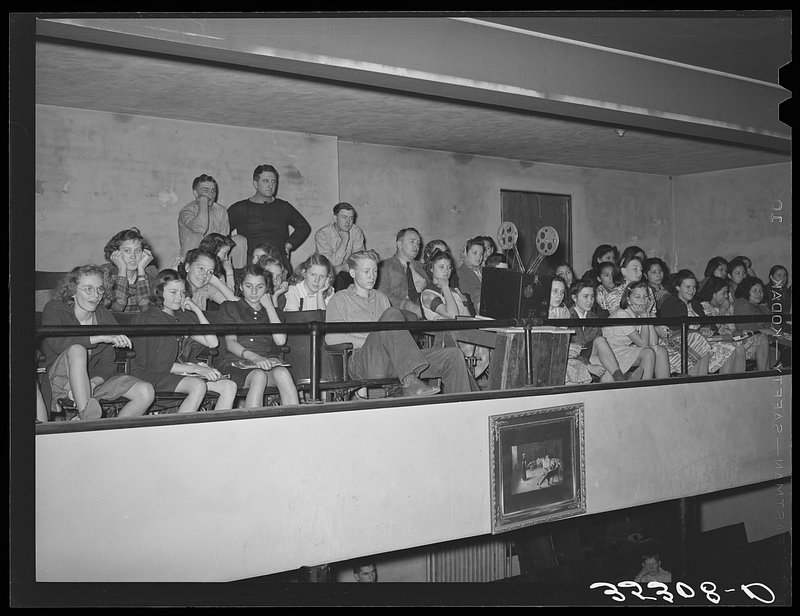
There’s not much of a deep dive on the topic in schools but at one point in history, it was completely normal for high schoolers to be taught how to spot propaganda. In the 40s, juniors and seniors in high school were required to learn about how propaganda mixes language and images to persuade people to believe one thing over another even if it wasn’t true. The goal for propaganda was to get people emotionally invested in whatever was being pushed so they’d be more likely to trust what they were hearing.
America was so invested in teaching about the pitfalls of propaganda that they put together a video explaining different ways to recognize it. This was designed to come in handy for the deluge of information coming out about WWII at the time and eventually the Cold War. People needed to be able to critically pick apart what they were reading, seeing and hearing so they could best decipher the truth.
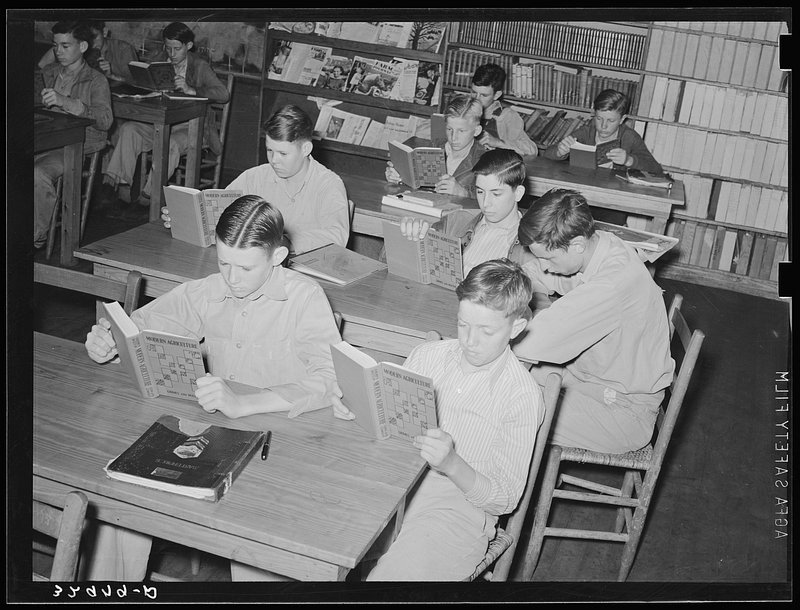
While America is not currently at war, learning to decipher propaganda is still relevant today, especially given how quickly information moves nowadays. In the 1948 film sold to high schools across the country, an older man shares with a high school boy ways to identify propaganda by first listing some of the techniques.
The techniques of propaganda listed are glittering generalities, transfer, name-calling, card-stacking, testimonial, plain folks, and bandwagon. They then go through each technique to breakdown what they look like in practice. Many of the techniques listed may be easily identifiable in modern American politics and advertisements.
Examples given for glittering generalities are “good government” and “real American” used in different campaigns. But the faux politician asks the boy what is “good government” and is it the same as what the mayor considers to be “good government.” This gets the young man’s wheels turning. In his example for card-stacking he plays a recording where the mayoral candidate blames a water issue on the current mayor.
“That’s what we call card-stacking. Cooper was mayor when the pumping station broke down but it was the man in office before him who allowed it to get into such a rundown condition and it finally gave way before he could get anything done,” the man explains.
The boy then clarifies the information he is hearing, “and card-stacking is choosing some facts and leaving out others and arranging them to suit your purpose.”
Once the teen understands some of the basic propaganda techniques, he and the man take another look at a campaign film they’ve previously watched, allowing the boy a chance to identify the types of propaganda techniques used.
“You’ll find that the purpose of most propaganda is to persuade people to believe something, to do something or to buy something,” the man says before later adding, “whenever you’re tracking down propaganda, get as many different points of view as you can.”
Gathering as much factual information as you can from multiple different points of view and different sources is important for any sort of research, but it’s especially important when the goal is to sell you something or win your vote. Showing a film like this one in high school may be helpful in ensuring people continue to be able to recognize the persuasive techniques used in political and marketing ads to encourage critical thinking and informed decision-making.
“I think I understand,” the boy says. “To know whether propaganda is good or not, whether it’s true or not, I should know the purpose, recognize the technique, get the facts and judge the purpose and technique by the facts.”