There are as many different parenting styles as there are children. But in 2024, there is a conflict between newer, softer parenting styles and older, tough-love approaches. Softer parenting styles that have come into favor in recent years tend to encourage emotional intelligence, gentle discipline, and open communication.
On the other hand, older, tough-love parenting encourages risk-taking, natural consequences and discipline. One of the most controversial parenting styles that has emerged over the last generation or two is helicopter parenting. In this style, parents closely monitor and control most aspects of the child’s life. While it’s done out of an abundance of concern, it can also limit the child’s independence.
A Redditor named NumanLover asked parents to share their parenting strategies that may be considered” bad” by today’s helicopter parents. They received over 1,300 responses. Many resisted the idea that parents should control their children’s lives and shared strategies that encouraged independence and perseverance. The “bad” parenting ideas urged parents to let their children grow in confidence by spending time alone and unsupervised.
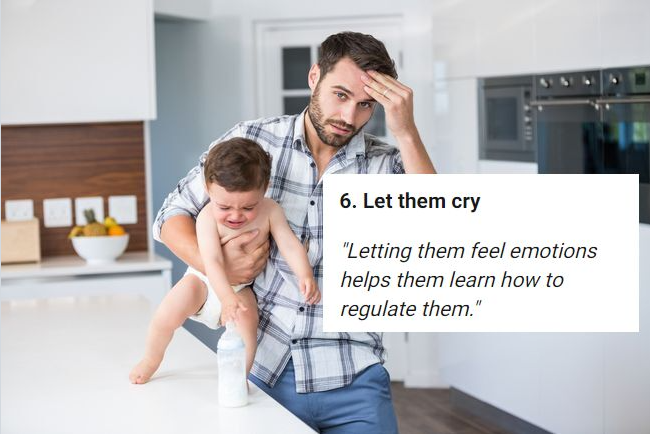
They also reminded parents that it’s OK to ignore a tantrum, even if it is in a packed restaurant.
Here are 13 of the best answers to: What is considered bad parenting but it’s actually good parenting?
1. Giving your kids space
“Giving your kids enough space to fail and then try to figure it out on their own. I see a lot of parents solving their children’s problems without giving them a chance to find their own solution.”
“Consequences are the best teachers for some lessons. Barring significant issues, if you don’t do your schoolwork or hand it in late you get lower grades. If you show up late to work too many times you may get reamed out by your boss and fired. If you decide to say something careless and cruel you may lose a friendship and the respect of others. Support them through it so they can learn and improve, yes. Shelter them and try to get them out of it, no.”
2. Let them be alone
“Leaving your kids alone for age-appropriate periods of time. At some point, kids have to learn to entertain themselves or to be responsible for their own meals, depending on how old they are. Which is why the key part of that statement was ‘age-appropriate.’ And I suppose it depends on how safe your neighbourhood is, too.”
“A lot of parents are too helicopter-y today. I also went where I wanted as a kid as long as I came back when I was supposed to. I think it’s social media getting into parents head with anxieties about what could happen.”
A single door can open up a world of endless possibilities. For homeowners, the front door of their house is a gateway to financial stability, job security, and better health. Yet for many, that door remains closed. Due to the rising costs of housing, 1 in 3 people around the world wake up without the security of safe, affordable housing.
Since 1976, Habitat for Humanity has made it their mission to unlock and open the door to opportunity for families everywhere, and their efforts have paid off in a big way. Through their work over the past 50 years, more than 65 million people have gained access to new or improved housing, and the movement continues to gain momentum. Since 2011 alone, Habitat for Humanity has expanded access to affordable housing by a hundredfold.
A world where everyone has access to a decent home is becoming a reality, but there’s still much to do. As they celebrate 50 years of building, Habitat for Humanity is inviting people of all backgrounds and talents to be part of what comes next through Let’s Open the Door, a global campaign that builds on this momentum and encourages people everywhere to help expand access to safe, affordable housing for those who need it most. Here’s how the foundation to a better world starts with housing, and how everyone can pitch in to make it happen.
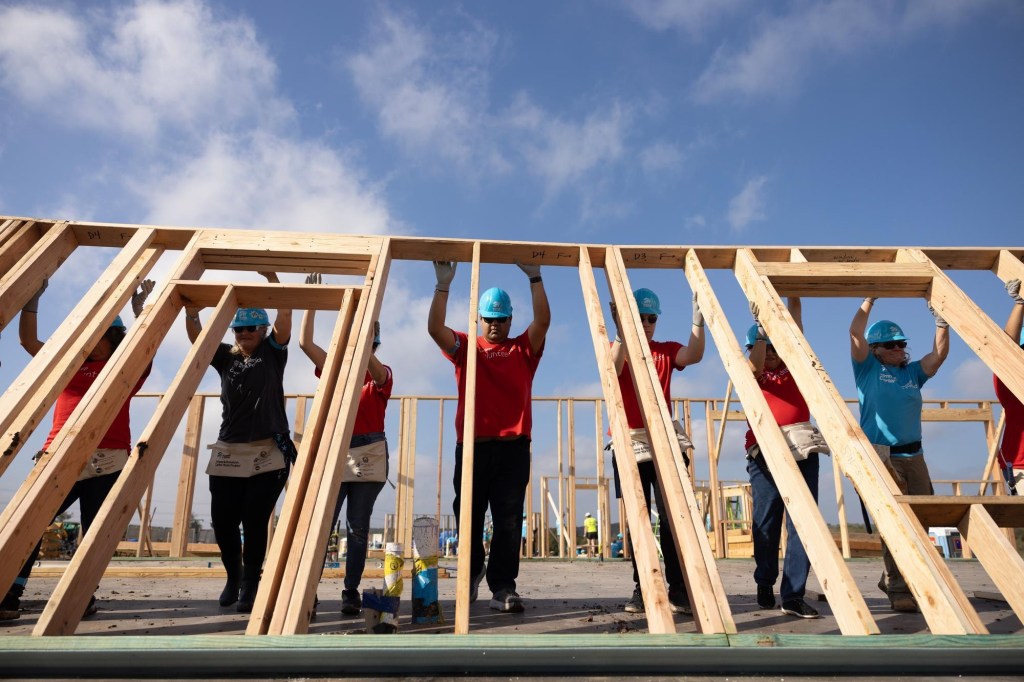
Volunteers raise a wall for the framework of a new home during the first day of building at Habitat for Humanity’s 2025 Carter Work Project.
Globally, almost 3 billion people, including 1 in 6 U.S. families, struggle with high costs and other challenges related to housing. A crisis in itself, this also creates larger problems that affect families and communities in unexpected ways. People who lack affordable, stable housing are also more likely to experience financial hardship in other areas of their lives, since a larger share of their income often goes toward rent, utilities, and frequent moves. They are also more likely to experience health problems due to chronic stress or environmental factors, such as mold. Housing insecurity also goes hand-in-hand with unstable employment, since people may need to move further from their jobs or switch jobs altogether to offset the cost of housing.
Affordable homeownership creates a stable foundation for families to thrive, reducing stress and increasing the likelihood for good health and stable employment. Habitat for Humanity builds and repairs homes with individual families, but it also strengthens entire communities as well. The MicroBuild® Initiative, for example, strengthens communities by increasing access to loans for low-income families seeking to build or repair their homes. Habitat ReStore locations provide affordable appliances and building materials to local communities, in addition to creating job and volunteer opportunities that support neighborhood growth.
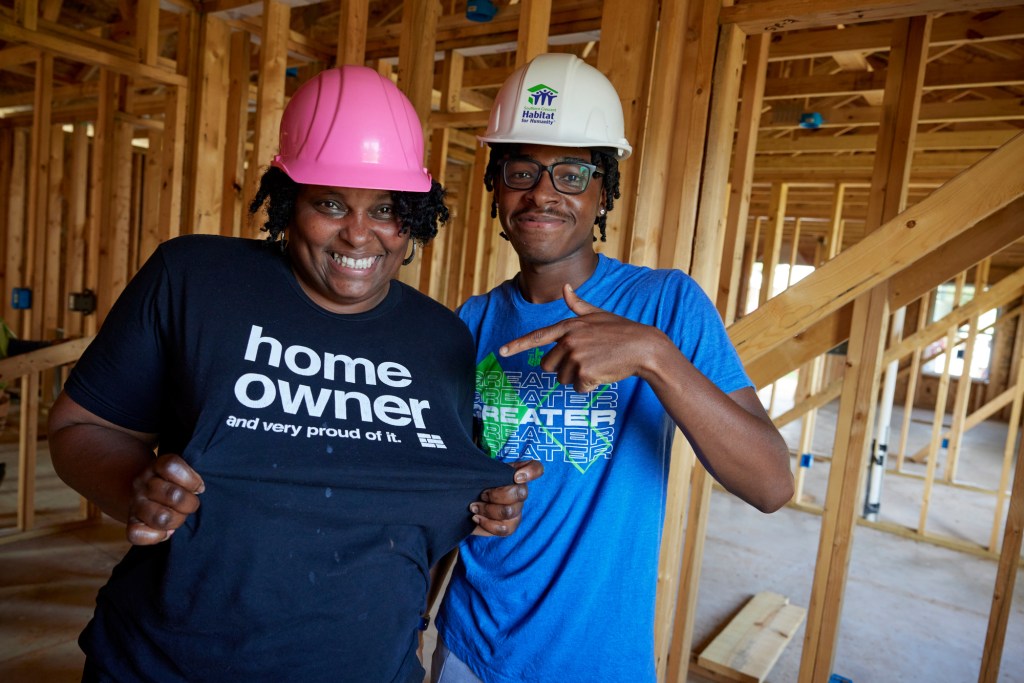
Marsha and her son pose for a photo while building their future home with Southern Crescent Habitat for Humanity in Georgia.
Everyone can play a part in the fight for housing equity and the pursuit of a better world. Over the past 50 years, Habitat for Humanity has become a leader in global housing thanks to an engaged network of volunteers—but you don’t need to be skilled with a hammer to make a meaningful impact. Building an equitable future means calling on a wide range of people and talents.
Here’s how you can get involved in the global housing movement:
Speaking up on social media about the growing housing crisis
Volunteering on a Habitat for Humanity build in your local community
Travel and build with Habitat in the U.S. or in one of 60+ countries where we work around the globe
Join the Let’s Open the Door movement and, when you donate, you can create your own personalized door
Every action, big and small, drives a global movement toward a better future. A safe home unlocks opportunity for families and communities alike, but it’s volunteers and other supporters, working together with a shared vision, who can open the door for everyone.
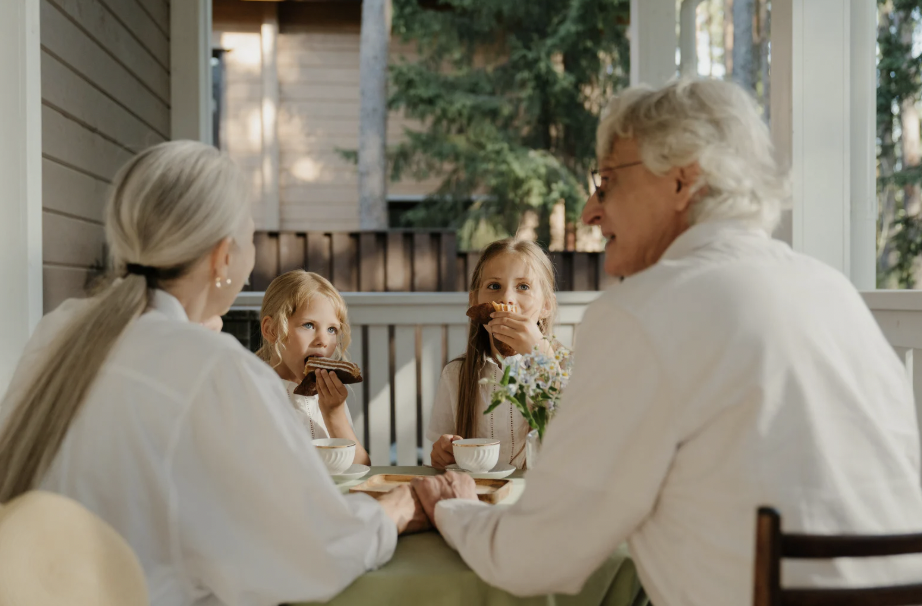
It’s a bittersweet situation for many adults. You live close enough to your own parents that grandma and grandpa can help out with the kids from time to time. On the one hand, you’ve got the luxury of a village at your disposal. Holidays are a cinch. Yay. But with that close proximity also comes blurry boundaries, which can take on the form of “surprise” grandparent visits during the most inopportune times.
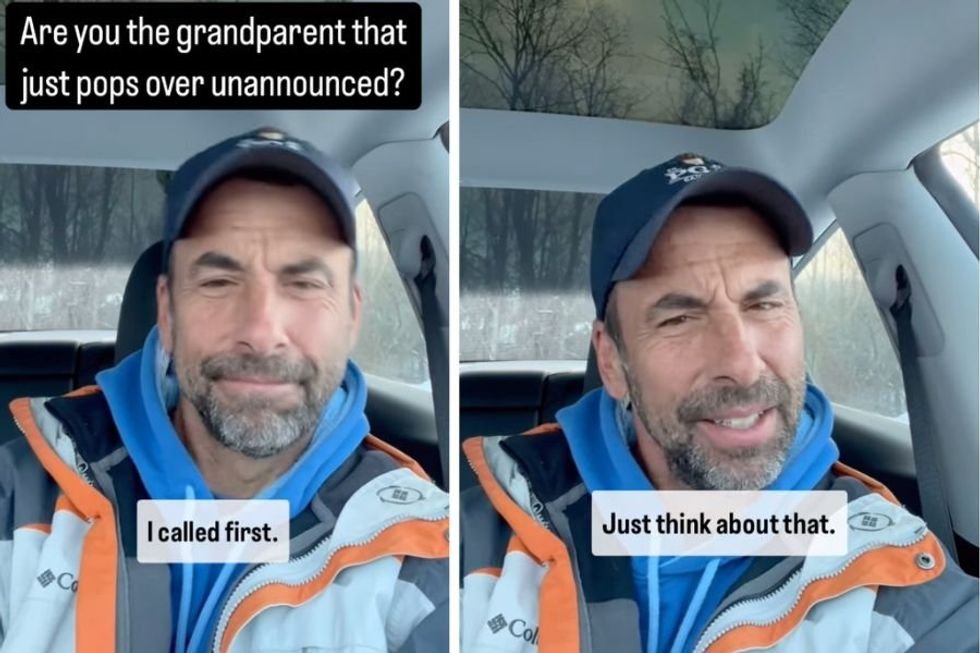
Which brings us to the question: should grandparents be able to drop by unannounced in the first place? If you ask grandfather of two Rick Cognata, who regularly posts grandparent related content on his “Legacy Of A Grandpa” Instagram account, you’ll get a pretty definitive answer.
Should grandparents call before visiting?
In a video posted in early 2025, Cognata shared why making a call first might be a better move, explaining how well it works for his own kids.
“I am on my way to my daughter’s house and guess what? I called first,” Cognata began. “I said, ‘Hey, do you mind if I come over? I’m missing them. I just want to pop over. I’ll bring some food, whatever.’”
While this time Cognata’s daughter gave the okay, in the past she’s also told him “No Dad, today is not a good day.” And offering up this bit of autonomy can make all the difference in a grandparent-parent dynamic. Though Cognata shared that it’s not quite the norm.
“I see a lot with my friends that this presents a problem with … us grandparents … that just pop over. Like, ‘This is my kid, they live around the corner from me, I will pop over when I want. My parents did it to me and I do it to them.’”
Cognata concluded by saying that of course, the drop in policy will differ from family to family, but in his own observation, “I hear a lot of my friends’ children saying, ‘I wish they would call.’ So that’s all I’m saying … some of us might be crossing that line a little bit.”
Most of the comments agree
By and large, folks generally seemed to agree with Cognata’s stance.
“Totally agree it’s called respect as our children are now adults themselves. ❤️
“ I ALWAYS make contact first. They are a separate family unit to us and have their own life and routines. This has to be respected ❤️ ❤️ ”
“Agreed! Your kids are now your friends and they deserve your respect. Not everyone is up for company ( family) at any given time. They need to have their own space and decide when the timing is right. I expect the same from them. It works beautifully that way! ❤️”
Still, others felt the rule tobe unnecessary.
“It’s sad that family can’t pop over like it was when I grew up. But once an adult child gets married we have to respect how they want to live.”
“When I was younger and into my early married life, we would pop over to people’s houses all the time. I think it’s a southern thing.”
Southerners – do people stop by your house all the time? Photo credit: Canva
Whether or not you totally agree with Cognata’s opinion on this particular topic, it’s easy to see how it brings up a broader shift in how we approach family dynamics. Terms like “boundaries” certainly weren’t as mainstream when we (or our parents) were growing up, and it’s still relatively new territory for everyone. That’s why having open conversations, even online ones, can be pivotal for gaining perspective and possibly finding an approach that’s a win win for everyone.
By the way, Cognata has all kinds of grandparent-related discussions on his Instagram, which you can find here.
This article originally appeared two years ago. It has been updated.
Being locked in a metal box with 150 random people all hurtling through the air at 30,000 feet is quite the social experiment, but one many of us do willingly in this age of air travel. One of the most notable parts of that experiment is that you never know who’s going to sit near you on an airplane. Will you get the quiet reader? The Chatty Cathy? The cougher who doesn’t cover their mouth? The sweet-but-over-perfumed old lady? The parent with a baby who screams from takeoff to landing?
Flying can feel like a game of roulette, especially when you find yourself sitting near one of the most unpredictable forces on Earth: a toddler. Tiny tots can make for the most delightful trip ever or the most annoying one, but as one couple demonstrates, the difference sometimes comes down to our own attitude.
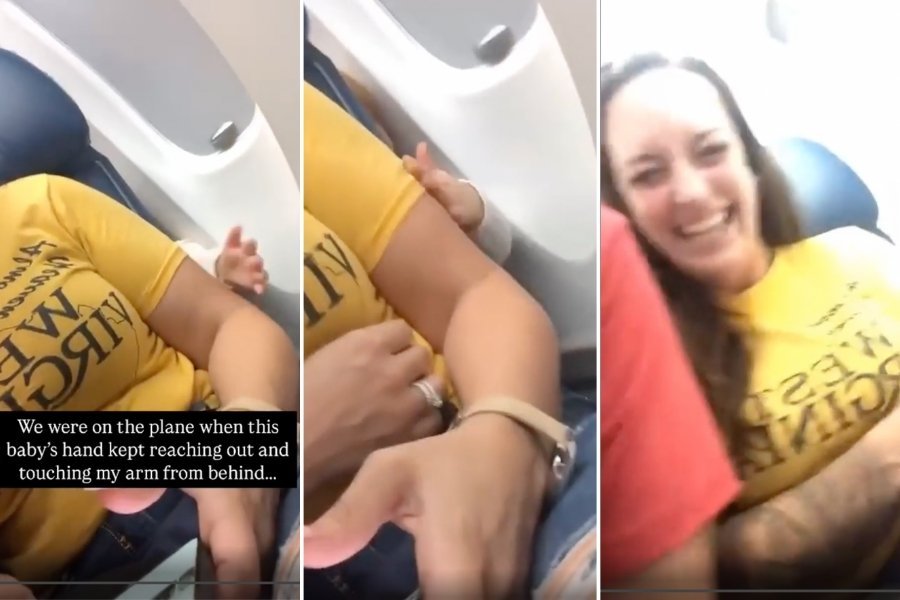
A video shared on Reddit reads, “We were on the plane when this baby’s hand kept reaching out and touching my arm from behind…” At first, we see a zoomed-in shot of a woman’s arm next to the window as a little hand reaches around the side of her seat and taps her repeatedly and enthusiastically. Then the camera pans to the woman’s face and the face of the man with her, and their expressions say it all.
Clearly, the child is enjoying the feel of the woman’s arm. Tap tap tap, rub rub, squeeze, tap tap. No hesitation, zero sense of decorum, just a totally oblivious toddler sensory experience. A little annoying? Probably. Pure and wholesome and worthy of a laugh? Absolutely.
This woman could have asked the parent to stop their child from touching her (and she may have eventually). Not everyone finds small children cute and some people have sensory issues of their own that make such encounters more bothersome than it would be for others. But assuming the toddler arm massage was temporary and that the parents saw what was happening and stopped it, the reaction of the couple is a perfect example of finding the joy in life and rolling with the punches.
As the post reads, “Those small hands are a sign of absolute tenderness,” and people are loving the immediate mirthful reaction the pair had to the wee one’s curious little fingers.
An adult touching a toddler’s hand. Photo credit: Canva
“Nothing cuter than seeing a baby flailing their arms and slapping things because they are happy. They have no control. They just know they’re happy.”
“The baby slaps ‘yep this is good arm’ tap tap.”
“My grandma had the softest bat wings in the world. I used to love to touch them. I’m sure she was self conscious about it but I loved them lol.”
“As a parent I would be horrified to discover my kid was doing this but so relieved that they were such good sports about it. These are the types of people we need on airplanes.”
“Same, I’m always concerned how my kid behaves on a plane ride (and he freaking loves being on a plane) but I find most people to be such good sports around him. Love when it works out that way. Though I 10/10 would have snatched that hand away soon as I noticed .”
“The people laughing were so kind! I can imagine some people would lose it if a child did this but they just enjoyed it. “
“Seriously! Seeing the humor in everyday life says a lot about their temperament. They seem like great folks.”
Some people shared their own stories of toddlers similarly pawing at perfect strangers. It’s helpful to remember that these little ones have only been on the planet for a hot minute and they barely have anything figured out yet. The nuances of what and whom to touch and not to touch takes a while, as does having the impulse control to not just reach out and feel whatever looks soft or interesting in the moment.
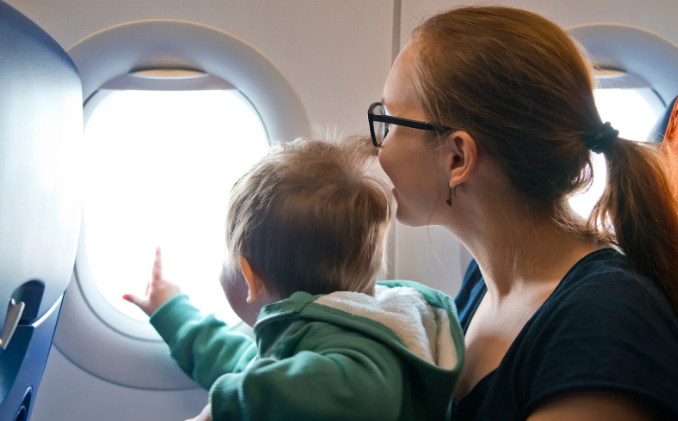
A toddler looking out of an airplane window. Photo credit: Canva
“When my sister was a baby, she had an obsession with hair. My mom had her on a plane when she was probably 15 months or so and she was practically vibrating about the young woman seated next to my mom. She had Marida hair – massive red curls down to her waist.
Mom leaned over to her and said, ‘I am sorry to bother you, but my baby has a hair fetish. She may try to reach over and touch your hair, just let me know if she bothers you. She won’t pull on purpose, she’s just gonna want to touch it.’
The lady thought it was cute and let my sister hold her hair balled up in her little fists for the whole flight. I think I’ve head this story about 17161626185 times in my life, lol.”
“Little kids like to just touch stuff to learn more about the world around them, but parents need to be constantly paying attention so their kid doesn’t accidentally harass someone!”
“A little kid of around that age did this to me at a restaurant once- he walked up to me, rubbed my bare forearm, and then gave me that same mesmerized look and tapped me with his hand a couple times. I didn’t think too much of it (was more puzzled/confused than anything), but his mom had to pick him up and apologized anyway. Kids are funny haha.”
“Yes this is so adorable. The last time I took a flight with a kid sitting behind me he was kicking my seat for like two hours before I politely turned around and gave a look to his mother and said ‘hey my little friend. I know this flight is long and you wanna get out of this seat but do you mind not kicking my seat anymore?’ Then I gave him a piece of paper and some (like 5 out of my 50) colored pencils and asked him if he could make me a secret drawing and pass it to me quietly and I’d make him one. I’m an artist and I always carry watercolors and colored pencils and sketch books on flights. We ended up passing drawing back and forth for the rest of the remaining 5 hour flight. He didn’t kick my seat again… I suspect it was the poignant look I gave mom. But so he was engaged. Every 20 minutes or so I’d feel a little tap on my arm and a folded up little drawing would appear. I still have them in the pocket of a moleskin somewhere.”
Here’s to grownups joyfully embracing the reality of co-existing with small children, in all their curious, sensory-driven, hands-on glory.
This article originally appeared last year. It has been updated.
When we think of parenting we usually think of the years from birth to college age, when kids become legal adults and many start fleeing the nest. It’s not as if there’s a magic switch that gets flipped at 18, suddenly making kids no longer need their parents. However, the young adult years are a time when people gradually grow into their independence, taking on the responsibilities and challenges of adulthood.
But what happens after that? Once kids have grown and flown, what role do parents play? They’re no longer rulemakers or final authorities, and they certainly aren’t responsible for ensuring basic needs are met, but that doesn’t mean their parenting years are over.
Parenting doesn’t stop when kids grow up
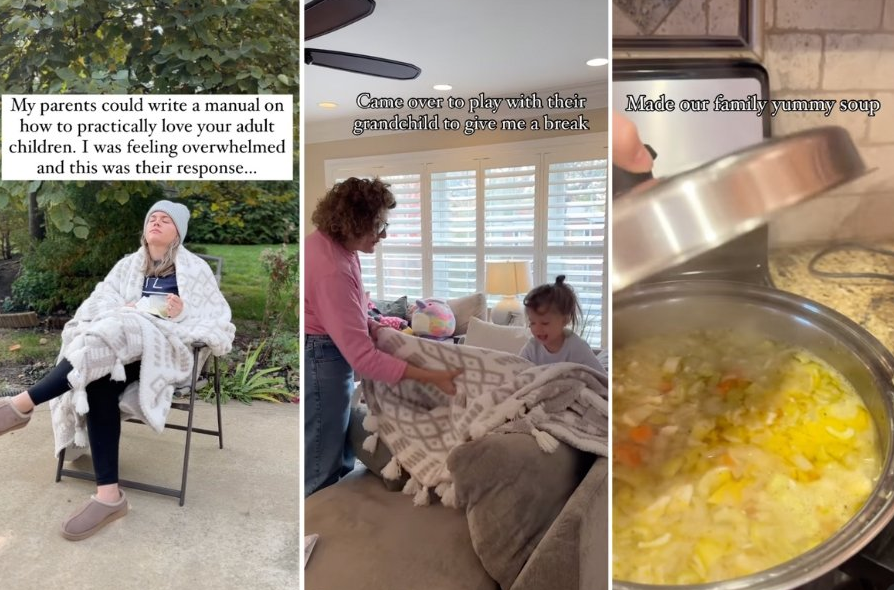
A video from a mom named Hannah shows what supportive, active parenting looks like with fully grown children, and it’s a beautiful example of how parent-child relationships ideally evolve over time. “My parents could write a manual on how to practically love your adult children,” wrote Hannah Cases of @hannahwiththelipstick. “I was feeling overwhelmed and this was their response.”
As she sits outside with a blanket around her shoulders and a warm mug in her hand, Hannah’s parents are shown playing with her child, cooking some soup, organizing and cleaning, and otherwise taking some of the load off her shoulders.
I think this is what people mean when they say “it takes a village”. ? If your kids are all grown up just remember, they still need you. We might say “I’m fine” or struggle to ask for what we need but the truth is everyone needs help sometimes and the support of loving parents / grandparents has the power to change everything. My parents are a constant reminder of what it looks like to practically love the people around you and put action behind the words “I love you”. I love differently because of having parents like them and living three minutes away from each other has been the biggest blessing. I know a lot of people don’t have parents who are able to help or the relationship might be strained but blood isn’t what makes someone family and I encourage you to seek out a village and remember that it’s okay to ask for help sometimes. ?? #ittakesavillage#myvillage#familyiseverything#ittakesavillagetoraiseachild#grandparentgoals#parentgoals#loveyouradultchildren#grandparentslove#parentslove
In the caption of the video, she expanded her thoughts:
“I think this is what people mean when they say ‘it takes a village.’ If your kids are all grown up just remember, they still need you. We might say ‘I’m fine’ or struggle to ask for what we need but the truth is everyone needs help sometimes and the support of loving parents/grandparents has the power to change everything. My parents are a constant reminder of what it looks like to practically love the people around you and put action behind the words ‘I love you.’ I love differently because of having parents like them and living three minutes away from each other has been the biggest blessing. I know a lot of people don’t have parents who are able to help or the relationship might be strained but blood isn’t what makes someone family and I encourage you to seek out a village and remember that it’s okay to ask for help sometimes. “
It’s true that not everyone has parents or a relationship with their parents that would give them this kind of support, but that doesn’t mean people aren’t desperate for it.
The response was overwhelming
“Honestly seeing this inspires me to be this parent… I pray one day I can create a space this loving for my daughter. I wish every family had this. The world would be such a better, more healthy place.”
“Such a gift. I wish we all had parents like this.”
“100000000x this!!! Arguably we need you more than ever, now! We crave independence when we are young, and family/support as we grow our own. ❤️❤️❤️❤️”
“I really wish my mother was capable of this kind of love and support, but unfortunately many of us don’t have this… count yourself blessed if you do!! ❤️”
“You are very blessed to have them ❤️ myself and my husband’s parents don’t ever come around for us or our 2 kiddos and it’s very sad. We have no village except our good friends.”
“All I get when I tell my mom I’m struggling is ‘I remember those days.’ Happy for people who have this support but also jealous But someday I will be there for my grown kids with whatever they need.”
“I hope I get the opportunity to show up for my adult babies and their babies like this someday.”
“My parents are like this and I’m SO thankful. My mom showed up Monday with a coffee for me. Today both kids have swim class. My dad tags along, and every Wednesday he brings us breakfast. Little things like that, that just make it a little easier on me. My parents live 6 minutes away and I tell them all the time I couldn’t do it without them!”
“We live 15 away from my in-laws. Once a week, my Mother-in-law does one on one time with my two kids. Since the kiddos will nap during the time it’s not their turn with their mimi, it really ends up being such a wonderful break for me. It really does take a village!”
“I tell my parents all the time that I still need my mommy and daddy lol it sounds silly, but it’s so true! I’m so thankful they live one street over and are always available at the drop of a hat! ❤️”
The Today Show addresses parenting adult children. YouTube
Hannah’s video runs counter to the current narrative we often hear online, where baby boomer generation grandparents aren’t taking as active a role in being grandparents as their parents did. A big reason often cited is that baby boomers have more money to pursue their interests than their parents did, so they’re spending their golden years on their own, instead of helping the younger generation.
Building your own village
Though it’s sad to see in the comments how many people don’t have this kind of support, it’s also a good reminder to be there for one another when and how we can be. There’s no substitute for loving and supportive parents, but any friend or family member who has the time and inclination can help fill that role when they see there’s a need.
It’s always good to see positive examples of healthy relationships, both to know what’s possible and to inspire us to be the people—the village—we want someone to be for us.
Few forces are more powerful than a full-blown toddlertantrum. In those moments, when parents cycle through snacks, bribes, gentle-parenting scripts, and increasingly unhinged negotiations, all to no avail, it’s understandable they’d try almost anything. Including, apparently, summoning a mysterious woman named Jessica.
Having fallen out of popularity since its heyday in the ’80s, “Jessica” has found new life, not in classrooms, but in viral parenting videos.
Across TikTok, desperate moms and dads are shouting the name mid-meltdown and watching in stunned silence as their toddlers abruptly stop crying and look around for this offscreen character.
For Tiffani Ortega, a Florida mom, the tactic came out of sheer exhaustion. Her toddler, Luca, was in the middle of a familiar post-park meltdown while being buckled into his car seat, which he apparently “did not like,” she told Today.
In a viral clip, her husband can be heard saying, “Come here, Jessica. He’s crying. Are you going to stop crying? Because Jessica is coming. You want Jessica to come?”
The result was immediate: Luca was miraculously silent.
Meanwhile, in California, Evanthia Davis had a nearly identical experience with the viral hack. Hearing her daughter Delilah crying inside, she called out, “Jessica!”
Delilah stopped mid-cry and began looking around for Jessica.
“Wow, this worked so well. This will be my new go-to when my baby / toddler cries,” Davis wrote in the caption.
Yet another mom shared that she’s tried the trick three times. Each time, her daughter “magically stops crying and starts looking for the Jessica that does not exist.”
“Jessica, the new HR director of toddlers,” joked one person, while another added, “Jessica must run a strict program because these kids are shook.”
Why the Jessica parenting trick works
As funny as it looks, there’s actually some science behind why it works. As Dr. Deborah Gilboa told Today, toddlers have an impressive amount of “perseverance” and “object permanence,” meaning they remain upset long after the inciting incident.
Why are parents to yelling “Jessica” at their toddlers mid-meltdown? Honestly, there’s some real science behind why it works. What parents are accidentally stumbling onto is called a pattern interrupt. A toddler in a meltdown has a brain completely locked in an emotional loop, and an unexpected neutral stimulus can break that cycle and create a window for redirection. The key word is neutral. It works because it’s surprising, not because it’s scary or threatening. The moment your child feels alarmed or confused by what you’re doing, you have added fear to an already overwhelmed nervous system. That is not a win. That makes it worse. And here’s what nobody in these videos is saying: this stops working fast. Children habituate quickly. Once Jessica is familiar, the novelty is gone and so is the effect. It is one tool for one moment, not a parenting strategy. There are so many versions of this on TikTok. The dad who suddenly starts singing and acting silly and watches his toddler dissolve into giggles is doing the exact same thing, just with humor and connection as the interrupt. The mechanism is identical. The delivery is warmer. My personal favorite is taking them outside. Get down to their level. Touch some bark together. Listen for birds. That is a pattern interrupt too, just one that also shifts the nervous system through nature, curiosity, and connection. Tantrums are developmentally normal. Your toddler is supposed to have big feelings they do not yet have the brain wiring to manage. Your job is not to shut those feelings down. It is to help them move through safely. Save this for the next meltdown. Follow for more and drop your question below. I read them and your question might be the next one I answer. #toddler#tantrum#jessicatrend#parenting#childpsychiatrist
However, as child psychiatrist Dr. Willough Jenkins explained in a TikTok video, saying something unexpected, like “Where is Jessica?”, creates a “pattern interrupt.” That surprise pulls the upset kiddo out of the emotional loop, giving parents enough time to redirect their focus.
Experts say distraction techniques like this can be helpful in the moment, especially when emotions are running high. Redirecting attention, introducing something novel, or even changing the environment can help de-escalate a tantrum long enough for a calmer interaction to follow.
Of course, like all good magic tricks, it probably won’t work forever. Once your toddler catches on that Jessica never actually arrives, her power may fade.
Until then, she remains a surprisingly effective, slightly chaotic ally for parents everywhere. And hey, in the middle of a grocery store meltdown, we’ll take what we can get.
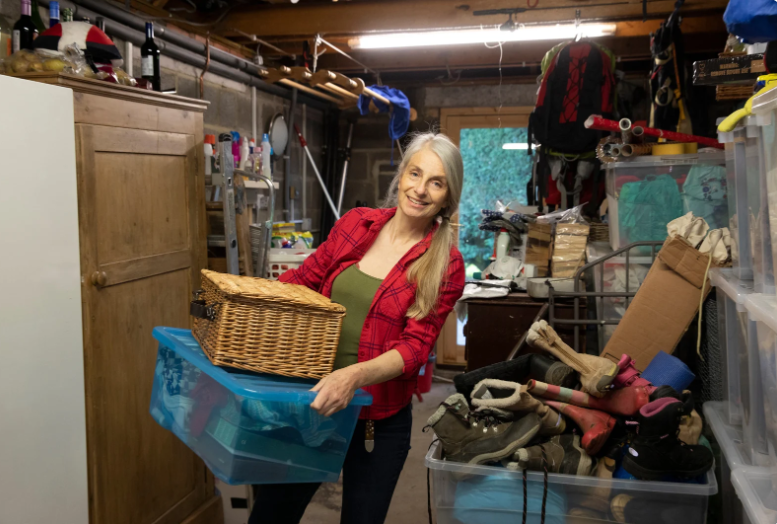
Deep cleaning and decluttering a home is a daunting task—especially for empty nesters. After spending a lifetime creating memories and living together under one roof, doing a big declutter can take an emotional toll.
It’s a milestone that many empty nesters know the sting of. And in a cleaning community on Reddit, a 51-year-old mom and recent empty nester shared her experience cleaning and decluttering her home after entering this new phase of life.
“In my entire life, my house has always been messy. I mean, I didn’t have a disaster-level situation going on, but if someone dropped by unannounced, it would’ve been super embarrassing,” she shared. “When my kids were younger, we had a housekeeper because I just couldn’t keep up. Now that we’re empty nesters, I realized I never really learned how to keep house.”
She explained that the book Unf*ck Your Habitat: You’re Better Than Your Mess played an integral part in helping her declutter—and offered eight helpful tips to fellow empty nesters looking to organize their new lives.
1. Put stuff away, not down.
Her first tip is the key to decluttering.
“Whatever you have goes right back where it’s supposed to go when I’m done with it,” she notes.
2. Do laundry every day.
And she doesn’t just wash and dry her laundry when doing it.
“Just one load, start to finish. Wash, dry, fold, and put away,” she shares. “Also, no chair or floor laundry. It gets put in the hamper or hung back up. No clothes are ever out.”
3. I make the bed every day.
The benefits keep on giving by doing this, she notes.
“It just makes my bedroom look cleaner and I smile every time I come in my room,” she writes. “Plus we aren’t fighting over the covers when we get in because the bed is straightened out.”
4. Do a quick daily clean-up of commonly used spaces.
She cleans the places that she and her husband use frequently.
“I keep a stack of cleaning rags in my master bath because it’s the only bathroom that’s used every single day. Every night, I spray the counter, wipe everything down, put everything back (that my husband leaves out), and wipe the mirror,” she explains. “I also wipe down the toilet. I find that I don’t need a huge, big cleaning of this space because I’m keeping it up daily. Same goes for the kitchen.”
5. Dishes are always put away, cabinet or dishwasher.
No dishes in the sink or stuck in the dishwasher.
“Dishes are finished in the dishwasher? It’s emptied and dirty ones are placed inside while waiting for the dishwasher to get full,” she notes.
“Shoes are put away immediately upon walking in the house,” she shares.
7. Knock out small tasks.
There is no time to waste.
“If it takes less than 5 minutes clean it while you’re waiting for something else to get done,” she writes.
8. Take no days off.
Rather than assign certain days for cleaning, she is constantly doing it throughout the week.
“Lastly, I do not have scheduled cleaning days. I just do something all the time,” she explains. “My life is kind of unpredictable, we love traveling or going out for the day so my so called cleaning schedule would be shot to hell every time. It’s better this way, because now I never feel behind.”
Editor’s Note: This story originally contained a typo in its text. It has since been corrected.
This article originally appeared [time-difference] ago. It has been updated.
Parents of newborns know they are in the middle of a joyous and stressful era. But far too often, the people they run into choose to frame things negatively when talking to them about their young child. They’ll say things like, “Don’t worry, it gets better” or “Boy, do you have your hands full.”
That’s why Steph Morrison’s video on TikTok touched so many hearts. It’s about the fantastic things that can happen when people choose to see things in a positive light instead of a negative one.
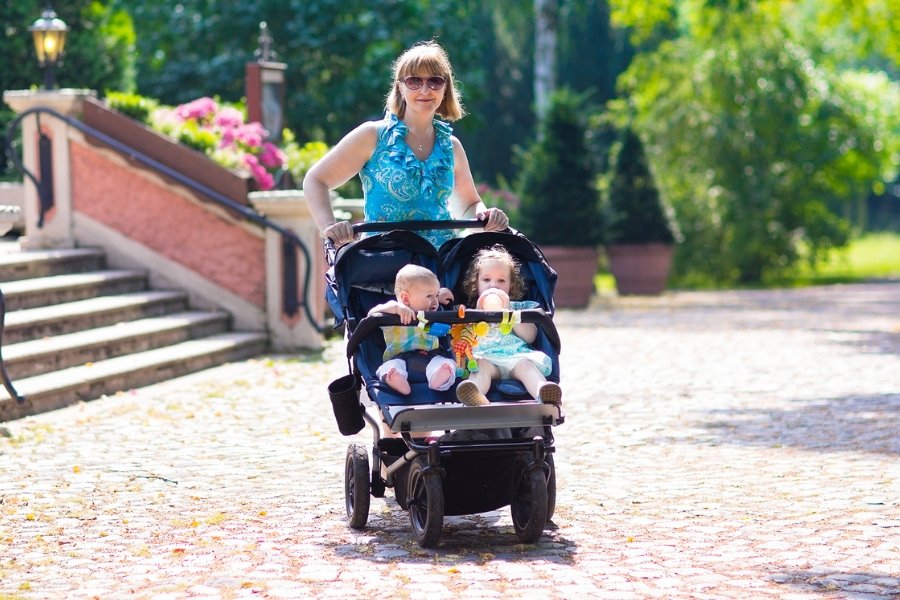
Mom pushes two children in a stroller. Photo credit: Canva
“The sweetest thing just happened,” Morrison begins in her video. “I was just finishing my walk and we were just pulling down our street and this old man, he stopped so we could walk by because we’ve got the double-wide stroller that takes up the whole space, and he goes ‘Wow! You’re going to have a lot of fun.’”
The comment blindsided Morrison because it reframed how she looks at being a parent.
“I don’t know why I’m getting emotional telling you now. But most people say, ‘You’ve got your hands full’ and it’s my biggest pet peeve, but he was so sweet and I could, like, see the memories flash through his eyeballs as he said that to me: ‘You’re going to have a lot of fun.’”
“Like, dang! That’s the type of vibe and energy I’m going to bring to motherhood,” she continued. “I was having a really great time with the kids already, so I don’t know why I’m crying while telling you this. But if you’re a mother out there, I hope you’re having a lot of fun, too, because why not?”
Everyone knows that parenting can be hard. But it’s also filled with joy, laughter, hope, possibilities and new experiences. The elderly man’s comments were a great reminder to Morrison and her followers to focus on the joy and possibilities of being a parent instead of the challenges and hard work.
The video struck a chord with mothers in the comments who shared similar experiences.
“An older man in the grocery store stopped me when my son was 8 months old and said, ‘Young enough to still talk to the angels, put in a good word for me!’” Rachel wrote.
“My only son is 7 months old. I can’t have any more kids due to life-threatening complications at birth. The other day, a man said to me, ‘He gets to have you all to himself. Isn’t that so special?’” Happy_Gilmoree added.
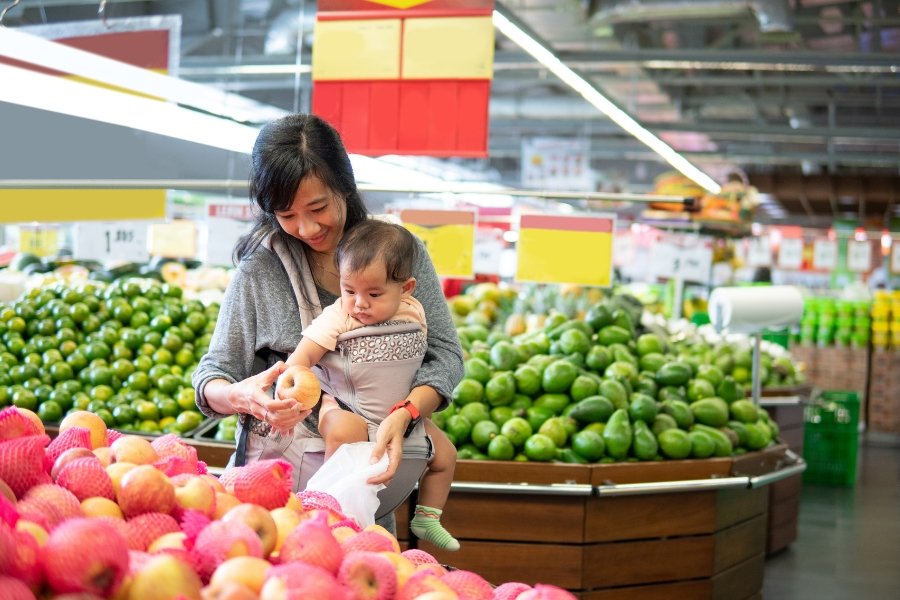
A grocery shopping with a young toddler. Photo credit: Canva
CaitlinPrice25 hit the nail on the head. “Society makes us feel like kids are a burden,” she wrote. “Just a little change of perspective can make all the difference.”
A positive mindset can make life much easier for parents, but it’s also great for their children. Children look to their parents and model their behavior; those with a positive attitude are likely to raise happy, optimistic children.
“A mother’s ability to model positivity becomes a powerful tool in shaping a child’s character, fostering qualities such as kindness, compassion, and a positive outlook on life,” The Motherhood Center in Houston, Texas, writes.
The story also reminds everyone, whether they are parents or not, of the importance of leading with positivity when dealing with others. The man could have said something cliché such as “I hope you’re getting enough sleep,” but instead, he reminded Morrison of the joy of parenting, and she made his remark her north star. That’s the power of positivity.
This article originally appeared two years ago. It has been updated.
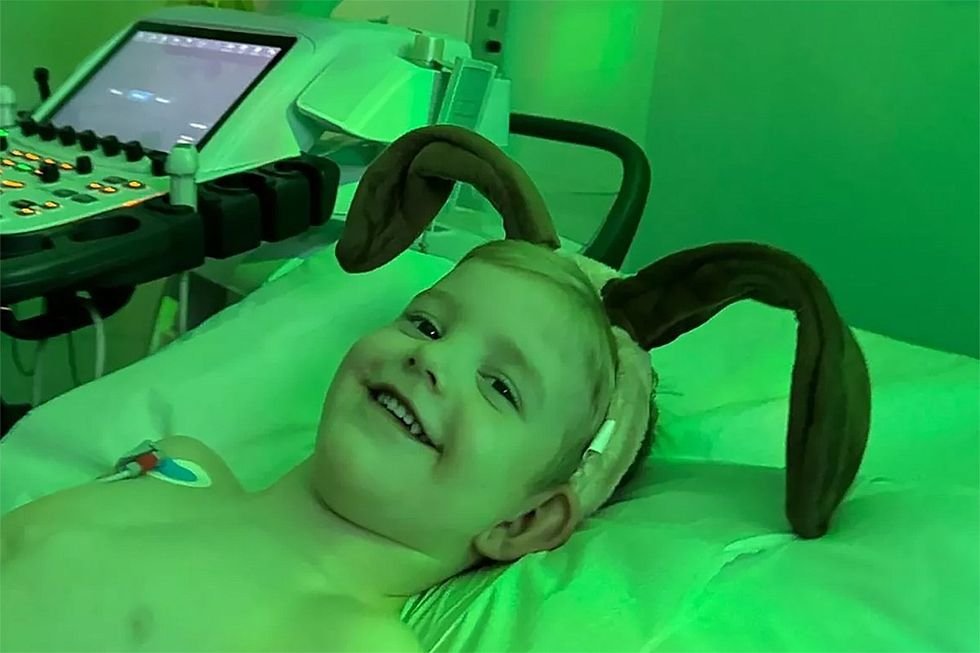
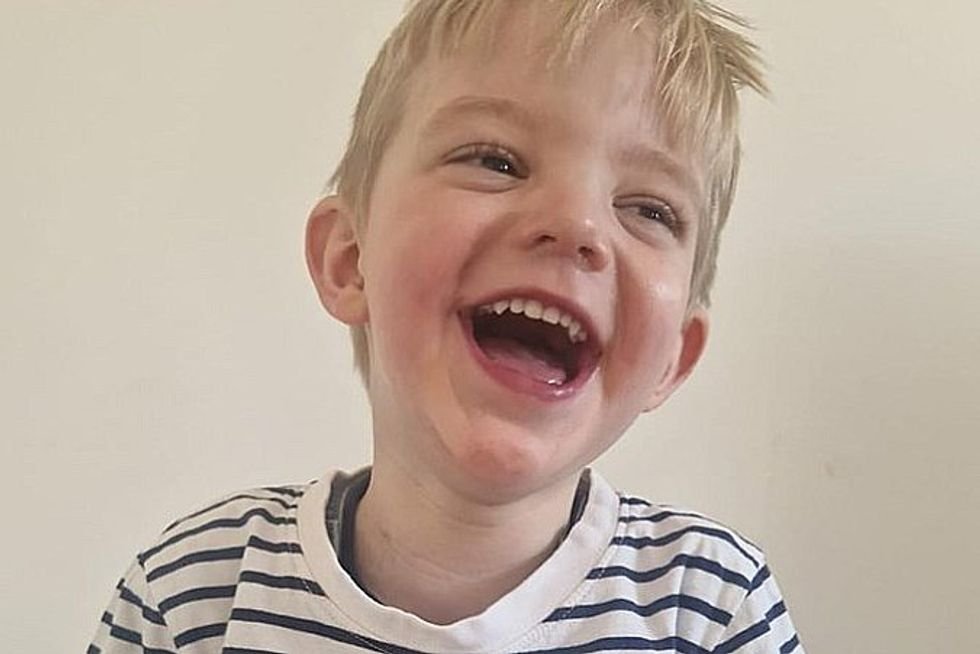
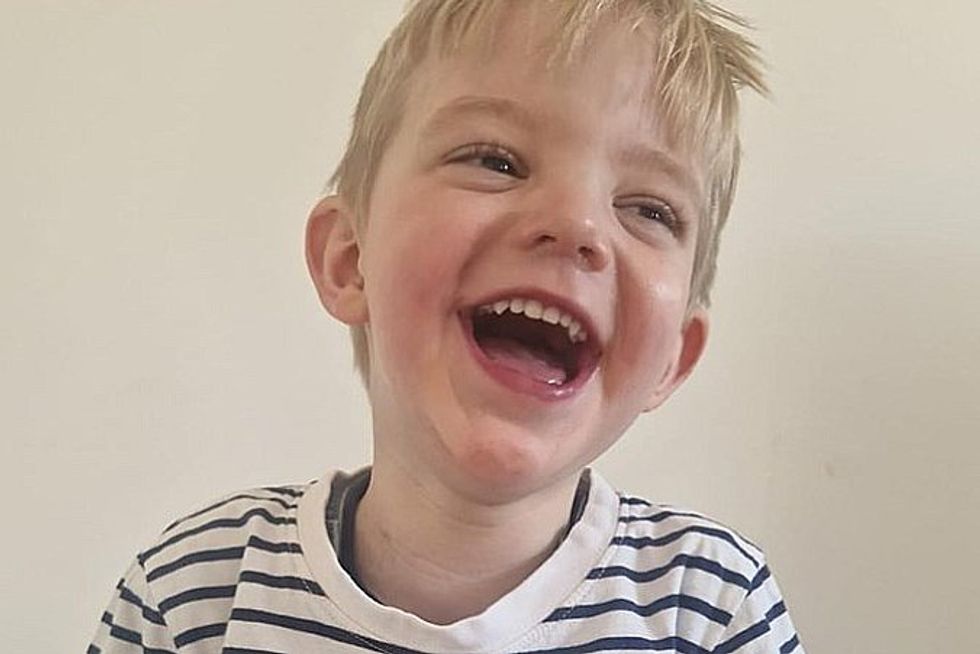
Louis, who lives in Redruth, Cornwall, was born with a condition that left him with half a functioning heart. Since birth, he has undergone three open-heart surgeries, starting when he was just nine days old. As he approached his fourth birthday, Louis needed another operation to insert a stent into his pulmonary artery, a procedure that brought the family to Bristol Children’s Hospital.
“We call him our mountain-mover as he loves to defy the odds.”
— Jodie Hood
Jodie, overwhelmed with emotion, explained the impact of Louis’ spontaneous song. “He started singing from the movie Sing on his iPad—it was incredibly moving,” she said.
A dream trip to Disneyland Paris
With Louis’ condition demanding continuous medical care, his family lives with the daily uncertainty of what the future holds. But amid the challenges, they are hoping to create joyful memories. Louis dreams of a magical trip to Disneyland Paris, and with his love for all things Disney, his family is dedicated to making this happen.
To fund this dream, Louis’ grandmother, Sharon Van Beusekom, started a JustGiving fundraiser to help cover the expenses for Louis and his family. The goal of £8,000 would not only pay for the trip but also account for the costs associated with Louis’ special medical needs during travel.
“Louis has one big dream: to visit Disneyland Paris… memories that will bring comfort and happiness no matter what the future holds.”
— Sharon Van Beusekom
“Whether we have a few months or a few precious years, we’re living with the constant fear of losing him,” Sharon shared. “Louis is such an amazing little boy with a zest for life and a smile that lights up every room. He deserves this chance to make happy memories with his family.”
The Hood family has been through incredible challenges, especially with the recent loss of a young friend, Faith, who had the same condition as Louis but sadly passed away at just 22 months old. This heartbreaking reminder of the fragility of life has further motivated them to fulfill Louis’ wish, despite the challenges ahead.
Support began pouring in, with friends, family, and well-wishers rallying around Louis. The family’s story gained traction online as well, with more than 2,000 Reddit users expressing their admiration and support. One commenter, @u/Hayes4prez, noted, “Pretty tough kid, I hope he’s up playing again soon.” Another user, @u/masteremrald, commented, “Four open heart surgeries at such a young age is crazy. Amazing to see how he is able to stay positive after all that!”
Jodie even participated in sponsored runs to help boost the fund. “This is our way of giving him something to look forward to,” she said, “and we are so grateful to everyone who has helped make this possible.”
In a wonderful update, Louis and his family were able to make their Disneyland dream come true on December 16, 2024, a date that serendipitously marked four years since his second heart surgery at just three weeks old. “Today 4 years on you got to realise your dream of being at Disney,” his mother wrote in an Instagram caption. “Thank you for making this happen everyone. Dreams do come true. For us our little miracle started to weave his magic each time he survived against the odds and this is just a magical way for us to celebrate his heartaversary ❤️❤️❤️❤️”
According to Jodie’s Instagram, Louis turned four and a half on May 25, 2025. “I am so grateful we were brave enough to fight against their 5% chances of survival,” she wrote in a caption. “4 and a half years of magic and it’s a real honour to be your mummy. Big few months coming up.”
In November 2025, Louis successfully underwent the Fontan Procedure, his fourth open-heart surgery and the one his family had feared most. The recovery wasn’t without complications — Louis developed pneumonia — but four weeks later, his cardiologist gave him a clean bill of heart health and cleared him for a phased return to school. He’s back to his pre-surgery weight, his chest is clear, and in classic Louis fashion, he announced to his cardiologist that he wants to be a doctor when he grows up.
Despite society having made a lot of progress when it comes to same-sex relationships and alternative families, it’s not so commonplace that many queer parents are still presented with questions about their lifestyle from straight people.
And while queer parents probably (rightfully) grow tired of answering certain questions day in and day out, having open conversation helps break through the lack of understanding which causes stigma and misconceptions in the first place. In a now-viral video shared to their Instagram, lesbian moms Allie and Sam Conway answer commonly asked questions they get as a queer married couple with twins.
What’s it like to be lesbian parents?
Of course, they started with the age-old question:
“Who’s the real mom?”
Though people by and large are able to differentiate biological connection from emotional connection (like with adoptive parents or step-parents to take on an active role in their step children’s lives), this is still a question that same-sex parents face regularly. And it’s a fairly harmful one at that, as it implicitly undermines the non-biological parent’s role in the family.
Allie also told Upworthy that the usual response to this answer is “oh my gosh! That’s amazing!” Which makes her—and us—”smile so much.”
Next up:
“Who’s the dad?”
To which they replied: “there isn’t a dad.”
This is also a question fused with negative connotation, as it suggests a father figure is necessary for raising well-adjusted kids. But research shows that kids born to same-sex parents fare just as well as the children of straight couples, indicating that what’s really necessary for a child’s development is two healthy, loving parents. That’s it.
Okay, this next one actually had an answer that surprised some folks:
“Who carried them?”
Though Sam wanted to be the one to get pregnant, Allie agreed to try after Sam’s “long fertility journey” of three IUI’s, three embryo transfers and multiple chemical pregnancies with one miscarriage.
However, the couple used Sam’s eggs, and Sam did the breastfeeding.
How the heck did that happen, you might wonder. Don’t worry, you’re not alone. So did lots of viewers. Sam underwent induced lactation, which tricks the body into thinking it’s pregnant and producing breast milk—it’s something often utilized by adoptive mothers.
What is induced lactation?
Induced lactation replicates the natural hormone process that happens when a woman gives birth. In this process, women are often given hormone supplements, such as estrogen or progesterone, to mimic the effects of pregnancy. This process may go on for months. About two months before the expected birth, the woman is then given a breast pump to stimulate lactation.
“Mummy and other mummy,” Sam quipped. “We’re rotating all day,” Allie added.
Without proper understanding, stigma persists. That’s how myths like “queer parents turn their children gay” or “children of two-mother families are more likely to be bullied” continue. And while it’s certainly not the responsibility of parents like Allie and Sam to educate folks on the realities of queer parenting, it’s great that they do offer genuine insight.
And thankfully, they are usually met with positive reactions from people, Allie tells Upworthy. Which only further encourages them to answer more question and offer glimpses into “different types of families.”
At the end of the day, families are made up of people who love and support one another. Everything else is just window dressing.
Check out even more heartwarming family content from Allie and Sam on Instagram and YouTube.