

The odd and alarming connection between racial biases and the perception of time.
You're walking in front of a lot of people. You tell yourself, "Don't trip. Don't trip." But what happens?
GIF from "The 85th Academy Awards."
That anxiety is real. You're so worried about embarrassing yourself or doing something wrong that you get distracted and make careless mistakes.
It happens to the best of us.
But instead of anxiety about embarrassing yourself in public, think about the anxiety some white people may have about appearing racist.
Their intentions are good. (But you know what they say about good intentions.) They don't want to mispronounce a name, say something even remotely offensive, or appear the least bit uninformed. They have black friends — honest-to-goodness black friends!
GIF from "Happy Endings."
But when some white people interact with people of color, they're so nervous about appearing racist, their anxiety can shoot through the roof.
Their heart may race, muscles may tense up, and according to a study released last fall, it can also screw with their perceptions of time.
Social psychologists at Lehigh University explored the idea of race-related anxiety and perceptions of time, and the results are fascinating.
First, they asked a group of volunteers (24 women and 16 men) to complete a questionnaire measuring whether or not they were motivated to control their racial biases. Then, they put the volunteers in front of a computer and displayed geometric images followed by black faces and white faces with neutral expressions. The shapes appeared for exactly 600 milliseconds. The faces appeared for 300 to 1200 milliseconds. It was up to the volunteers to determine whether they thought each face was given more or less time than the shapes.
It probably looked a little something like this. Photo by Connor Einarsen/Flickr (cropped).
The result? Volunteers mistook short amounts of time for longer ones when viewing the black faces. Their heightened arousal caused them to perceive time slowing down. The findings were confirmed with a second set of volunteers, this time 36 white men.
Why did this happen? Lead researcher Dr. Gordon Moskowitz believes it's likely due to race-related anxiety (or what some refer to as "white fragility"). People are so worried about making a mistake and appearing racist, they get nervous and can trip themselves up and do just what they were trying to avoid.
GIF from "Parks & Recreation."
“Ironically, people trying to suppress the appearance of bias are most likely to display this form of implicit bias because their motivation to control prejudice induces race-related arousal,” Moskowitz wrote in the study results.
OK, but who cares if race-related anxiety can make time seem to speed up? Why does that matter? Ask a black kid with his hands in the air.
There are many situations where this time perception can be troubling. Consider the white employer who guesses she met with a black job applicant for 30 minutes, when it was really closer to 10.
Or the doctor who was supposed to spend five minutes assessing his black patient, but really spent just a minute or two.
Photo by Joe Raedle/Getty Images.
Or the police officer who might give a black teen three seconds to drop the object in his hands, but shoots after one.
Photo by Scott Olson/Getty Images.
The consequences of this misperception can range from a perceived slight or minor inconvenience to death.
It may sound like a big jump, but consider this:
Bryant Heyward, a black homeowner in South Carolina, called 911 to report a home invasion. When police arrived on the scene, Deputy Keith Tyner took less than two seconds to fire his weapon to "suppress the threat." The threat in this case was Heyward who stepped outside to greet the officers while holding his brother's gun. Though the gun wasn't pointed at the officers, Deputy Keith Tyner shot twice because Heyward didn't drop his weapon quickly enough.
Mind you, according to the dash cam, the entire incident took two seconds.
Though Heyward survived, he is paralyzed and may not walk again.
Systemic racism, white fragility, and implicit biases affect us in ways we're only beginning to discover.
When you realize some of these biases might be embedded at a borderline chemical level, they can seem impossible to overcome. But none of these findings excuse poor behavior, inattention, abuses of power, or murder. Race-related anxiety is just one more thing to work through on the road to equality. We can and will get there.
Tackling white fragility is the best place to start. Frank and open discussions about whiteness, privilege, and microaggressions can loosen the stranglehold these implicit biases have on our society and culture. It's easier said than done but programs, like Portland Community College's Whiteness History Month, are creating safe spaces to do just that.
Instead of worrying about making mistakes, we need to do right by our friends and neighbors, put our hang-ups aside, and start looking out for one another.
A Black Lives Matter protest in Seattle, Washington. Photo by Jason Redmond/AFP/Getty Images.
 A Generation Jones teenager poses in her room.Image via Wikmedia Commons
 A van travels down the road.
  A person plays the guitar.
  A man smiles.
  A damaged vehicle sits on the side of a road.
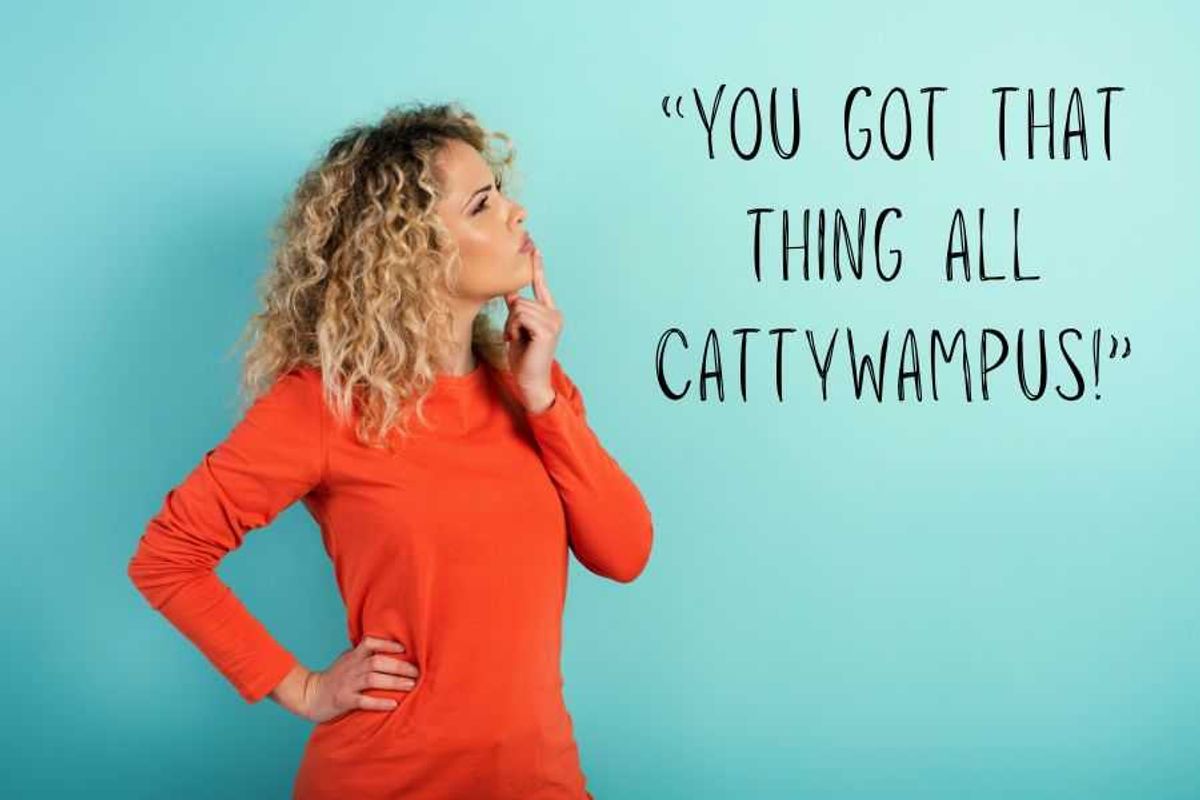
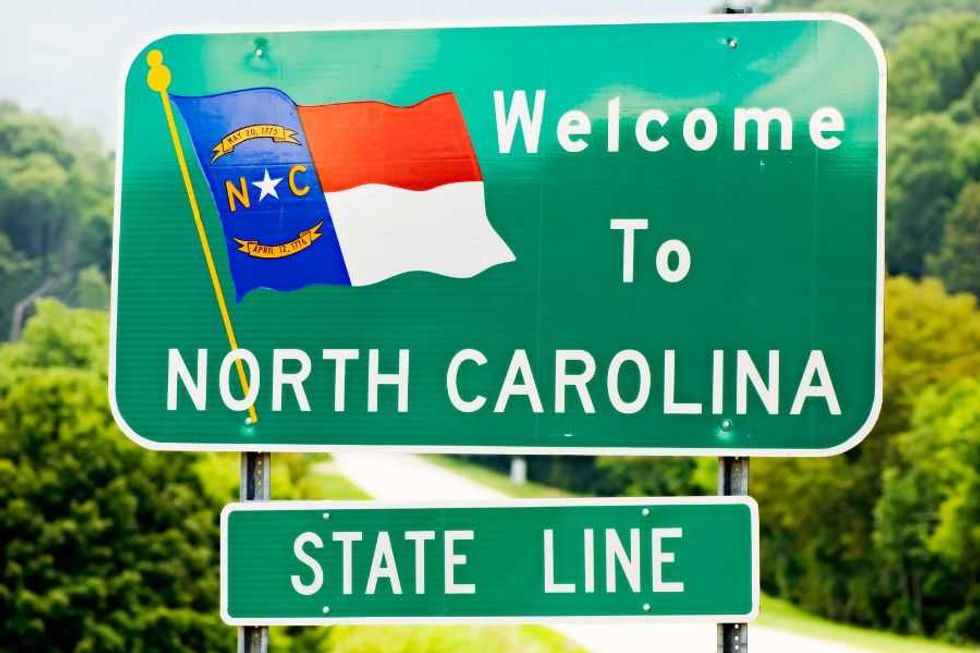 Welcome to North Carolina State Line!
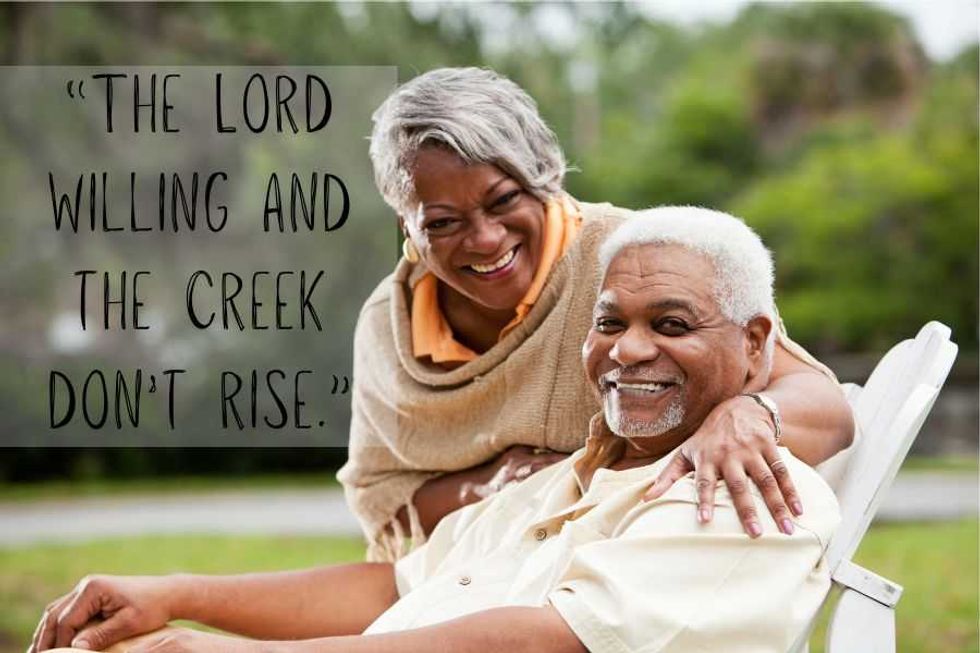 Smiling together: "The Lord Willing and the Creek Don’t Rise."
 Surprised cat faces an idiom shock!
 Feeling under the weather with a warm cup in hand.
 "Fluffy biscuits and a sassy Southern saying!"
 Two women in a park having a tense conversation.
 "Tight pants, revealing every curve and thought."
 "Bright as a Box of Black Crayons" - a humorous twist on brightness.